
What are SEO professionals working on in 2025? We surveyed our network on this topic. We find the responses incredibly insightful and diverse. On the one hand, because many SEO managers are actively responding to new developments. On the other hand, because they also emphasize the importance of fundamental aspects.
From indexing to content hubs, from employee training to AI search systems, from first-hand experience to user signals – the responses cover everything that is currently relevant in SEO.
The responses here are abridged. You can also listen to the full quotes in our podcast. Furthermore, we have included in-depth articles that we published throughout the year.


“Increase Internal Awareness”
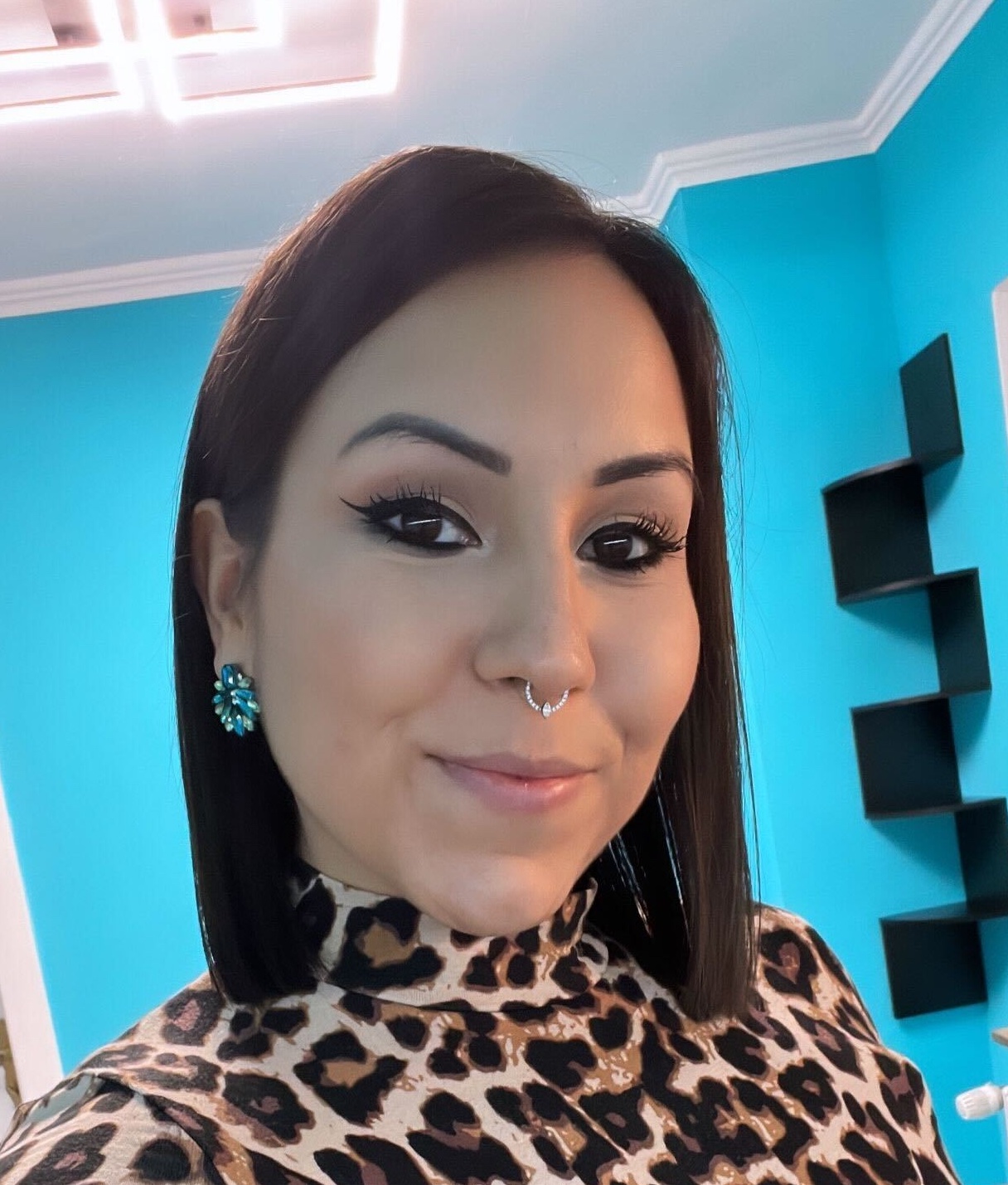
Melissa Karabacak is SEO Manager at Phoenix Contact.
In 2025, we will continue to work on SEO topics that are always on our agenda. This includes creating landing pages for dedicated keywords that are relevant to us but which we do not yet cover.
This is divided into two branches: product keywords and topic keywords. The topic keywords go hand in hand with content hubs to position ourselves as subject matter experts for both Google and users. In parallel, we are working on our very niche product keywords. We also aim to expand our visibility on YouTube, where I collaborate with our social media colleague.
Another important topic for us is product variants. We have approximately 150,000 products, including their variants. The goal is to minimize indexable and crawlable pages to consolidate signals for quality over quantity.
Generally, internal awareness is a continuous theme for me as an SEO manager in a large company. I continuously impart more SEO knowledge to colleagues who create content. One can never do enough in this area, especially since new employees are constantly joining the company.
“Develop Prompt Architectures for Texts”
A central question that occupies me in 2025 is: How can I create high-quality, unique SEO texts with the help of AI? For me, this involves, on the one hand, an intelligent prompt architecture, and on the other hand, how to obtain first-hand knowledge from within companies.
Furthermore, new application areas for SEO, such as the shortage of skilled workers, are of interest to me. I see significant potential here to use SEO for HR marketing.
Fundamentally, it’s always about approaching SEO strategically and holistically: How can companies present themselves even more user-friendly with website content that answers all relevant questions? I am very curious what role this will play in relation to AI search.

Monika Weber is a freelance SEO consultant and SEO copywriter. Monika Weber on LinkedIn and her website.
“Cover Topic Areas Independently of Format”
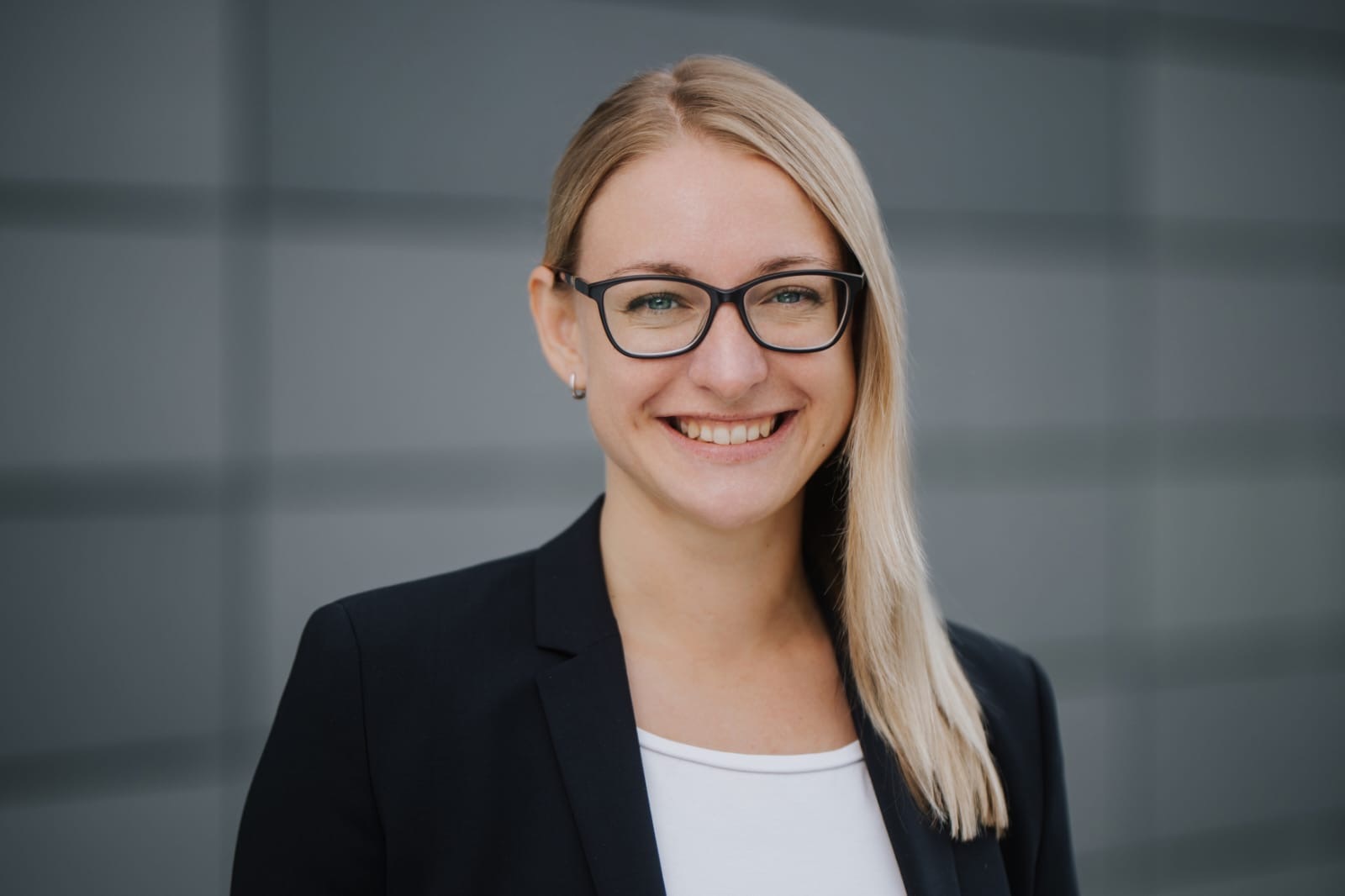
Tamara Heinz is Team Lead SEO and Content at MediaMarktSaturn.
In 2025, we will continue to approach SEO holistically and optimize it along the customer journey. For us, this means the interplay of SEO, content marketing, and social media. We aim to comprehensively cover topic areas where we want to be perceived as an authority, regardless of format.
I also recommend focusing on unique content that provides genuine added value to users, especially in the age of AI. In-house SEOs should actively network with other departments and collaborate on brand development.
For everyone in e-commerce, much will revolve around the Google Shopping Grid and the associated optimization of product detail pages and feeds.
“Clearly Cover the Main Intent”
SEO in 2025 means one thing above all: precision. It is no longer sufficient to treat all content according to the same pattern. Every piece of content must be considered individually, specifically prepared, and treated in depth.
This does not mean creating vast amounts of text; on the contrary, it is about developing a true understanding of the target audience and decisively determining what the core content should be.
Many questions are interesting but not essential. They can be outsourced to address the main intent and avoid unnecessarily bloating the article.
The ability to precisely select content that matches the search query and to decisively determine which topics can be outsourced is becoming increasingly crucial. Even if everything seems important from an author’s perspective at first, ultimately, it’s about the users.
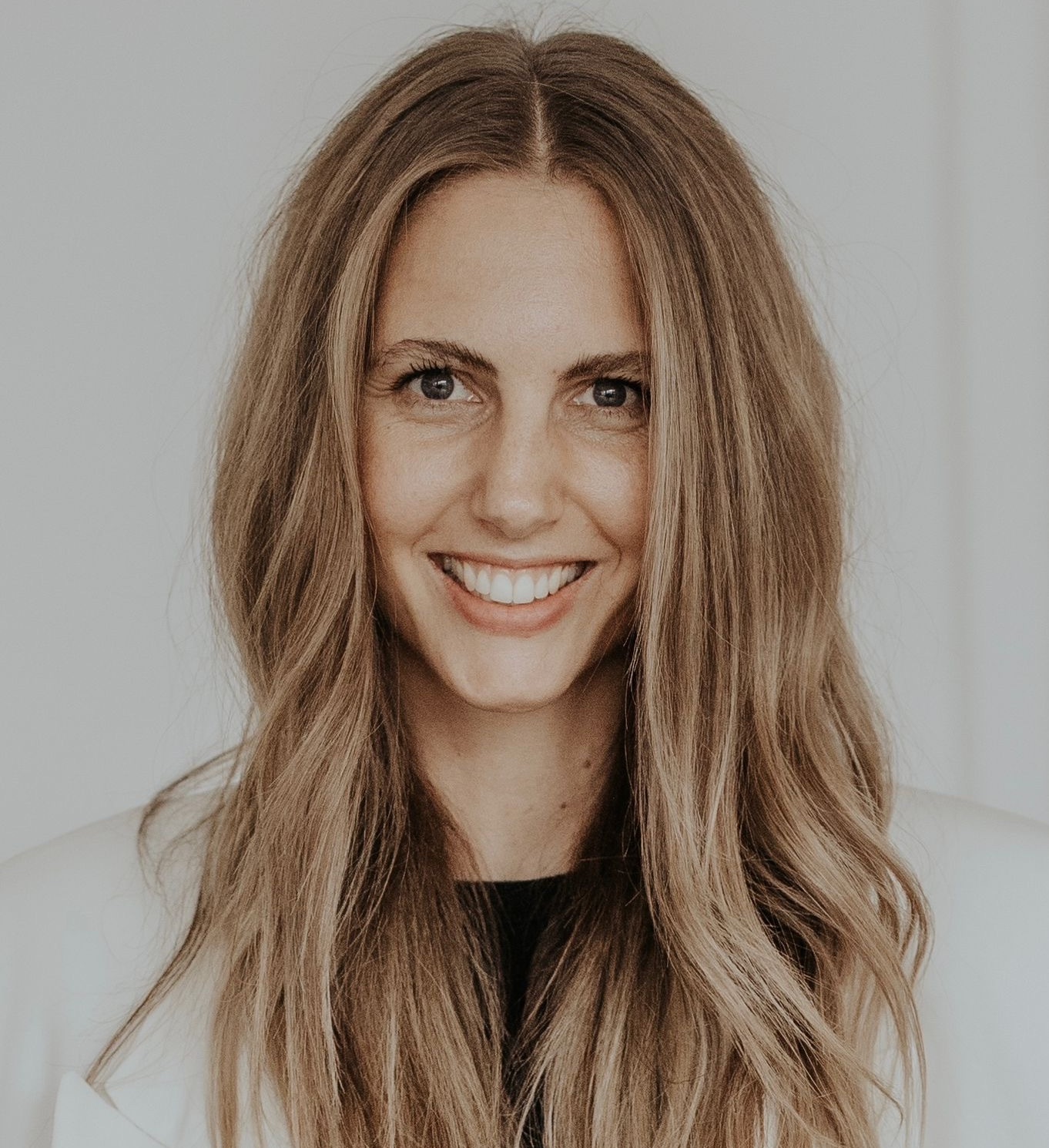
Sina Rill is a freelance SEO and food content strategist.
“Develop Strategy for Visibility in AI Search”
Regina Biskop is SEO Expert/Lead at Deutsche Kreditbank (DKB).
My focus topics are the intersection of AI search, user experience, and user intent. What does that mean? I believe that as SEO experts, we must engage even more deeply with AI search. Will my company be featured in these new environments? If so, for which topics and in what manner will we be visible there?
This also includes whether one has defined a zero-click strategy for themselves. That is, in what context is it sufficient to be visible as a brand, even if no clicks are generated.
To achieve this, there will be a shift from individual ranking factors to a holistic experience landscape. It is about understanding the individual touchpoints in the digital world – from social media to website to press – and mapping them with regard to the customer journey. Where do users enter, how can the touchpoints be connected, and what is the appropriate content for them?
“Review Indexing with Regard to the Product Grid”
An area I frequently work on is scaled topic research. This involves determining which topics a website represents and for which additional topics and search queries it could legitimately appear in search results. It also covers what is needed for this – which templates, which content format – and how this scales across many products and topic areas.
Another topic: The SERPs are changing significantly, particularly with regard to Product Grids. Here, I find the question of how to handle product variants particularly important. For example, product variants are often not indexed but canonicalized. However, if Google now displays different colors and other variants in the product grid, one might want to make them accessible to build SEO visibility here, but without self-cannibalization.
Jolle Lahr-Eigen is an SEO Consultant at Wingmen Online Marketing.
“Create Product-Led Content”

Lisa Kadah is Senior SEO and Web Content Manager at GFOS.
We have three major action points for 2025. First, “Product-Led Content.” We are engaging much more closely with sales and product management to better understand the problems and needs of our target audience and to create content accordingly. With this, we also aim to cover a broader keyword set. Furthermore, we will integrate our case studies even more into informational content to make the content more unique and incorporate even more first-hand experience.
Secondly, “Search Experience Management”: AI search engines are entering the market and posing challenges for us in SEO. We aim to become more visible on comparison platforms like OMR and Capterra because we have noticed that chatbots frequently cite such comparison pages.
The third point is the improvement of user signals: We want to develop much more content that keeps users on our website longer. We have noticed that our calculator and tool offerings work very well. Our podcast also leads to more interaction on our website.
“Build a Brand around a Topic Area”
What I will focus on even more in the future is Brand and Topical Authority. Building a brand around one’s own topic, with content clusters on the website and beyond, should be the goal for every company.
The overarching strategy is becoming increasingly important for the Google algorithm, for AI searches, and also given current search behavior. Users are increasingly searching for their topics across various platforms. Therefore, we must work to ensure we are present as broadly as possible.
For me as a website content specialist, this means, for example, that the strategy increasingly incorporates how effectively content can be used for social media, and that the areas of SEO, social media, and PR work interdisciplinarily and even more closely intertwined.

Elena Geiger is a freelance SEO and content strategist. Here is her LinkedIn profile and her website.
“Strengthen Website Accessibility”
Lisa Augustin is a freelance SEO consultant. Here is her LinkedIn profile and here is her website.
As a trained software developer, I always examine a website’s source code, and 25% of the time, it leads to frustration. HTML must be applied cleanly to succeed with Google. Flashy designs alone are simply not enough here.
Furthermore, in 2025, the Accessibility Strengthening Act (BFSG) will come into force. Certain companies will then be required to design their websites to be accessible. This will also significantly reinforce our views as SEOs, as 70-80 percent of what the BFSG entails should also be welcomed by a technical SEO.
“AI SEO Assistant for Colleagues”
In 2025, I will be heavily focused on the topic of “Future of Search.” To this end, we are initiating larger investigations within ARD. Key questions include: How will our content be displayed in SearchGPT, Copilot, and Perplexity? How will we be cited as a source? Are the AI summaries truly accurate?
A second point is a GPT-based AI assistant. We have already implemented an SEO check in our CMS. Furthermore, we have an SEO desk, which the entire SWR can consult with questions. We are now developing an internal GPT-based SEO assistant. This way, colleagues will always have an SEO buddy in the future whom they can ask questions.

Sarah Stein is Head of Search Experience at SWR and Head of the SEO and AI working group at ARD.
Deepen your SEO Knowledge: Every Monday via Email