August 19, 2024Benjamin O’Daniel
Ranch Style SEO vs. Skyscraper
Developing content hubs is a core task in SEO and content marketing. The approach behind it: build visibility with relevant topics the target audience searches for.
In the concept, many questions come up: which topics should you cover, and how many? What should the editorial articles look like?
For many years the SEO industry has reached for an approach here that is called the “skyscraper”. Very long articles that cover as many aspects as possible. The term “pillar page” is used for this as well.
But many people now look at the skyscraper as a format with a critical eye. A new approach being discussed in the industry: Ranch Style SEO.
Instead of an extremely long text that stacks up like a skyscraper, you should build your content more like a ranch, with many small stables that are set off from each other. Here we explain the background.
In a deep-dive workshop in our Academy we show how to pick up this new approach and put it into practice (the recording is here). Using an Academy member as the example, including keyword analysis and the article.
The skyscraper is wobbling, for these 3 reasons
Success less often
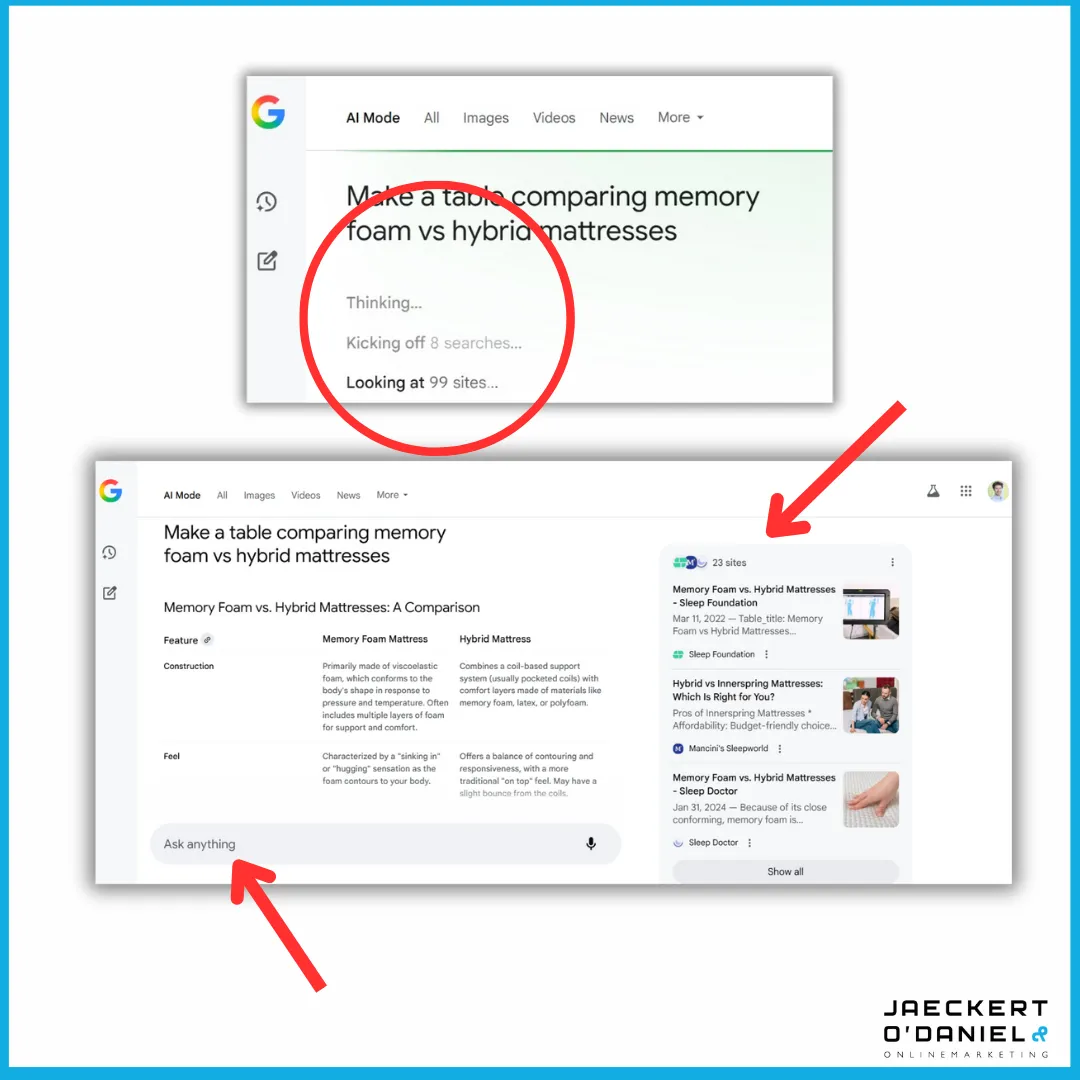
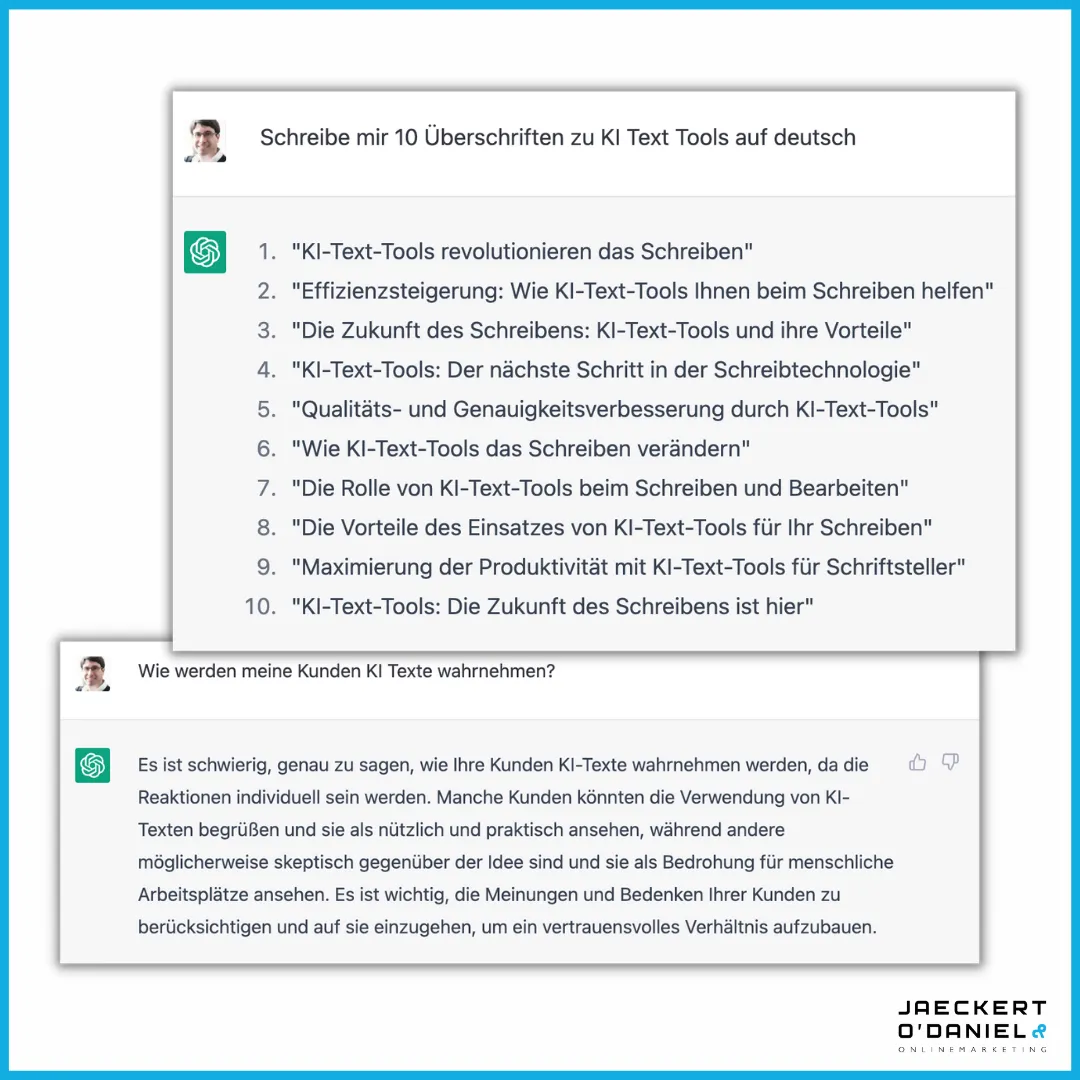
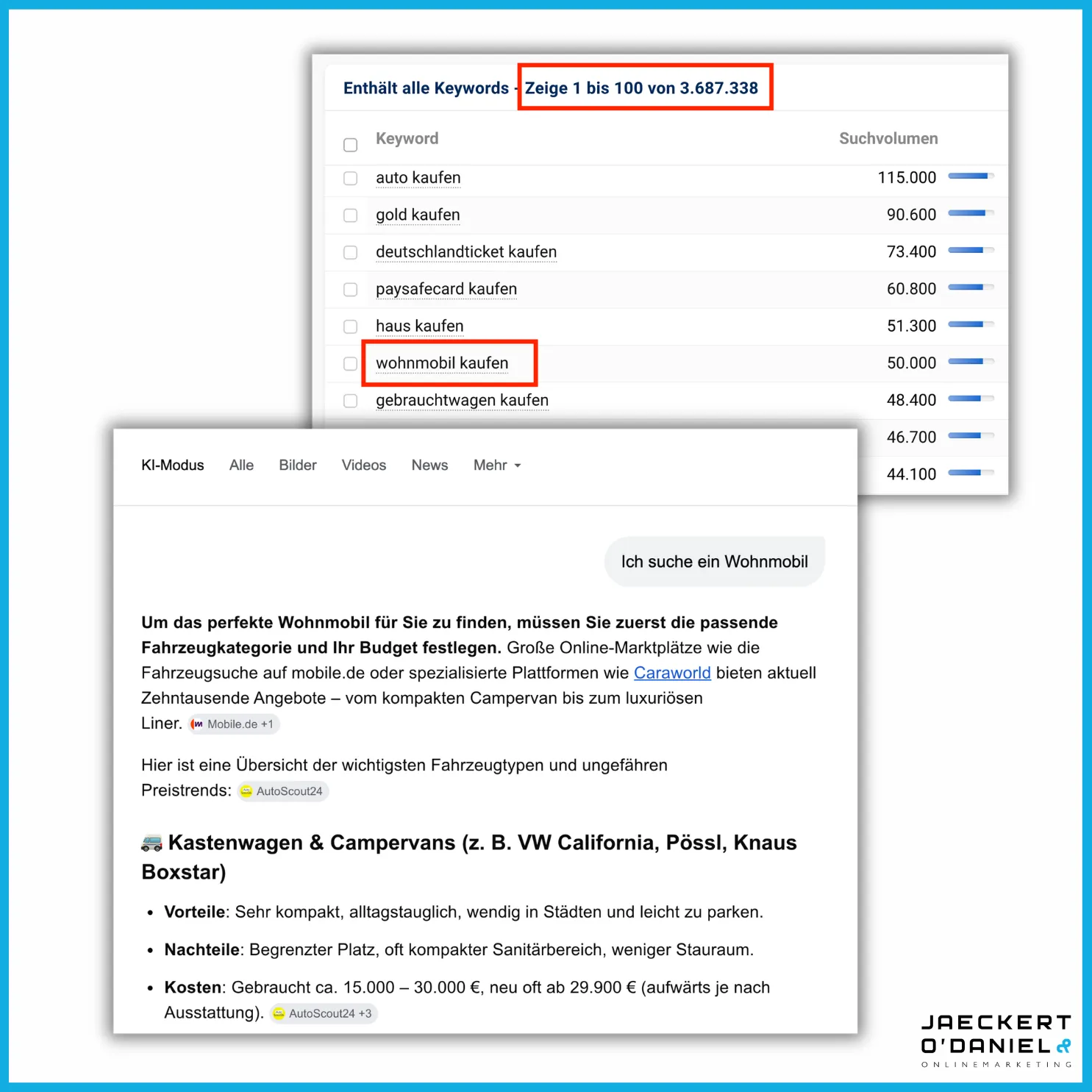
Where skyscrapers used to deliver many SEO wins, the approach works less and less often today. Often ten skyscrapers already stand in the top 10. The competitive situation has changed. Through ChatGPT a real flood of skyscrapers has appeared, because long content can be produced at very low cost. Google has already responded with corresponding updates.
A lot of generalities
Because a skyscraper takes in many different aspects of a topic, for example to meet SEO criteria such as WDF*IDF, the individual sections of meaning are often only superficial. Often they are simply long SEO texts. The benefit for users is small. We have the impression that formats like this also trigger poor user signals. Users tend to get their answers through the “People also ask” integration.
Difficult optimization
Skyscrapers often rank for various keywords. If a skyscraper covers a definition, advantages and disadvantages, and examples, the article ranks accordingly for “keyword + advantages” and so on. Rarely in the top 5, though. Optimization is complex: the more you expand one aspect, the more you can weaken the other rankings. The skyscrapers often get longer and longer, without performing better.
Ranch Style SEO: these are the 2 central points
The ranch-style approach picks up a series of current developments in SEO. At the core it is about two points:
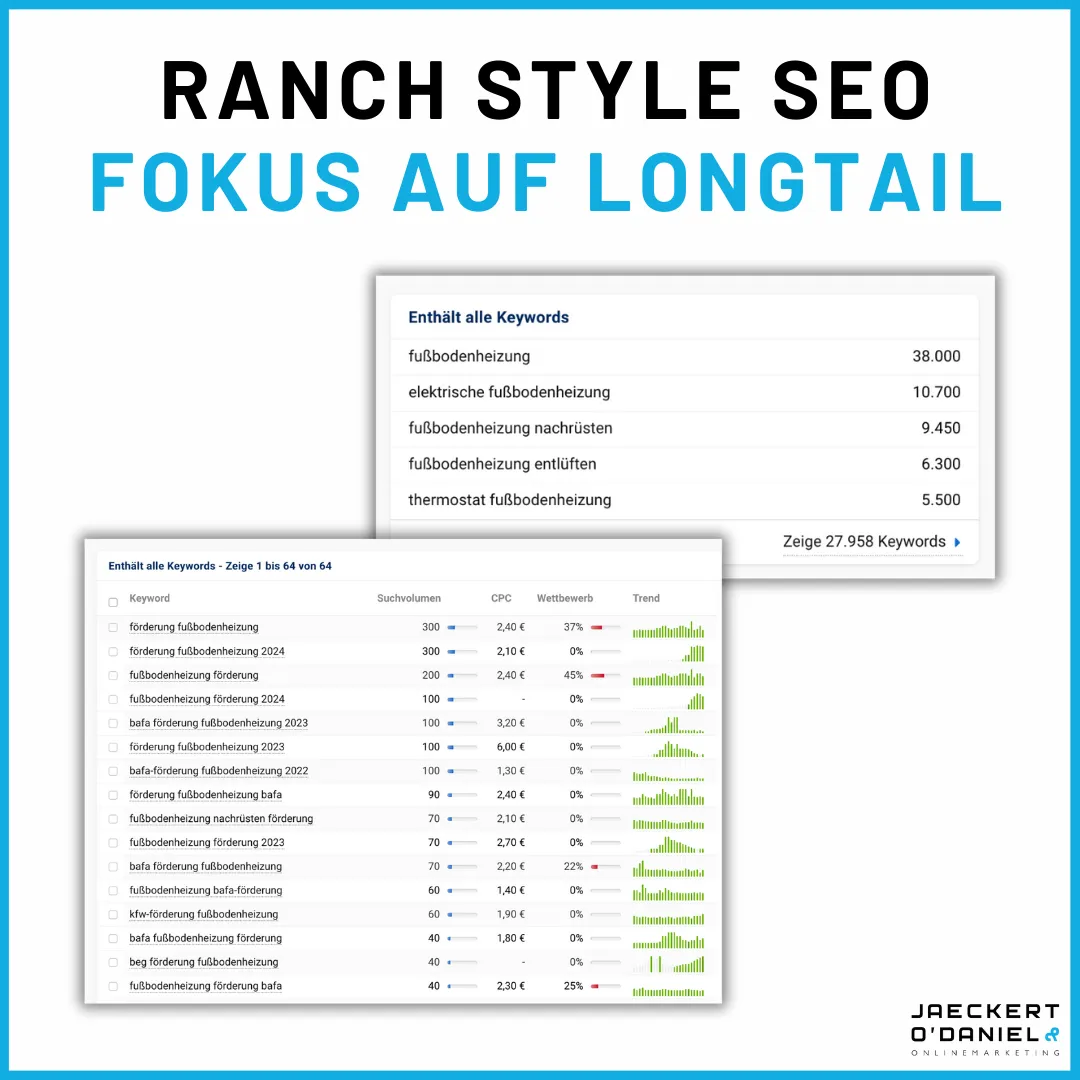
- Granular, targeted articles: instead of covering many different aspects in one article, the approach breaks topics apart and covers them in several articles. The topics should be clearly set off from each other - the keyword is long-tail keywords - and oriented to the user’s search journey.
- First Hand Experience: for some time Google has stressed that articles have very good ranking chances when they show that real experience and knowledge of your own went into them. More on this in the Google documentation. Purely generic texts, by contrast, have a hard time. The new approach takes that into account in planning.
The approach connects SEO strategies with content marketing, and that is probably why it triggered such a strong response. It is a longer development that the various channels and disciplines keep moving closer together and can support each other, or even have to, in order to succeed.
We discussed something similar in content distribution and with thought leadership content.

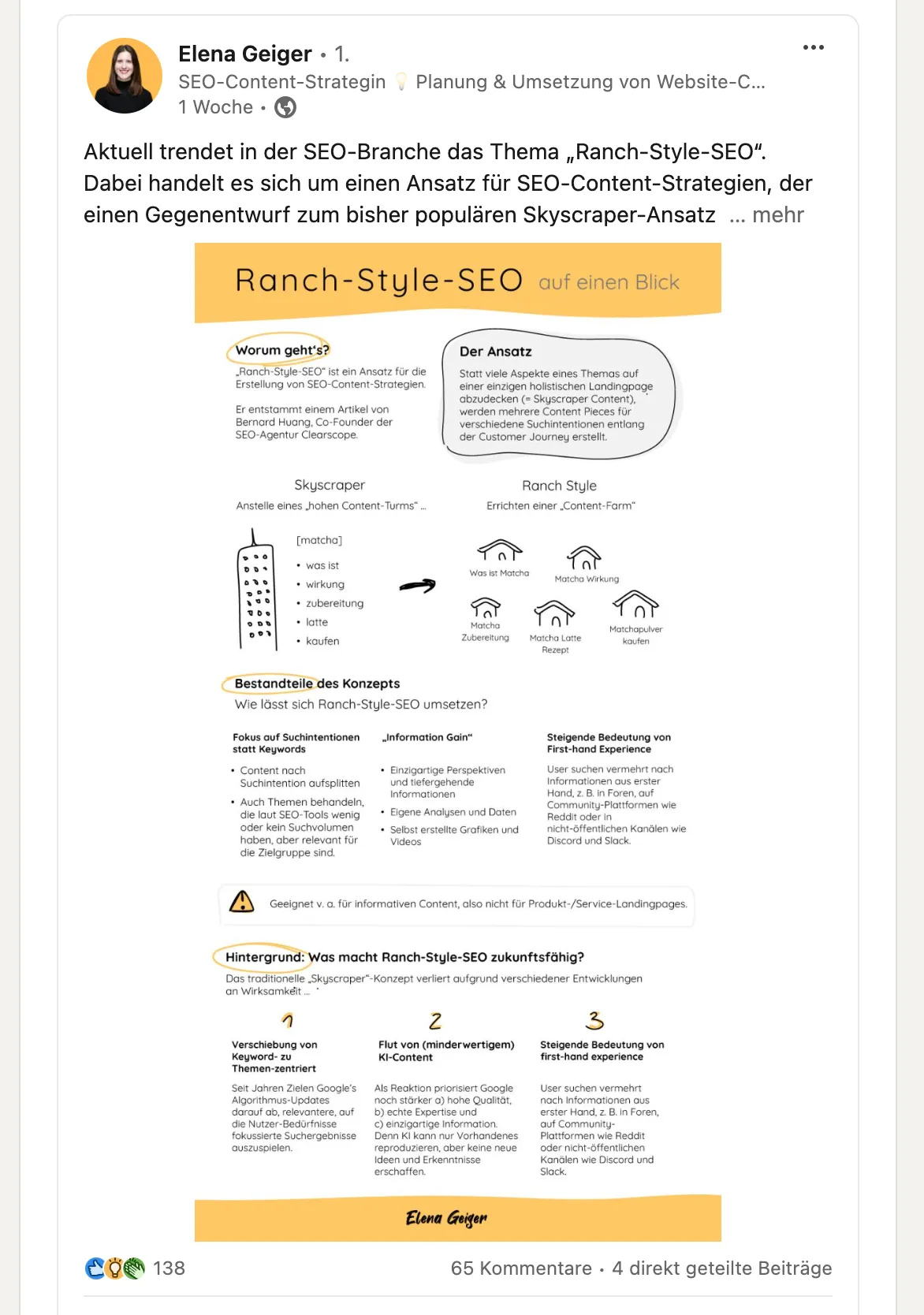
The term “Ranch Style SEO” comes from Bernard Huang, who presents the approach here. Screenshot: Clearscope website.
How the SEO industry is discussing it
SEO and content strategist Elena Geiger described the two approaches in an infographic and an article. On LinkedIn there was an interesting discussion about it, with a split response.
Campixx founder Marco Janck writes, for example, that he would always start with holistic landing pages and only spin content out when there is “overflow”. “I would never split the topics right away if I do not have to.” Holistic landing pages simply still work that well. It is not yet time “to move on”.
Mandy Fröhlke, Head of SEO and Content at digit.ly, also talks about the effort that sits in a Ranch Style SEO approach. Building a larger content hub as such is a higher effort than building a few skyscrapers. “I always make it depend on the client and the topic which strategy I pursue. Also on how many subtopics even offer potential.”
Doris Eichmeier, a well-known content strategist and book author, writes in her comment “that the disciplines of SEO and content are moving even closer together than they already are. The ways of thinking are adapting to each other.”
First Hand Experience - what does that actually mean?
But what does “First Hand Experience” actually mean in concrete terms? How can you take up this requirement and factor it systematically into content planning? Those are points that, from our point of view, are still discussed too little. Because in the end, marketing leads ask themselves how they can put this approach into practice in a very concrete way.
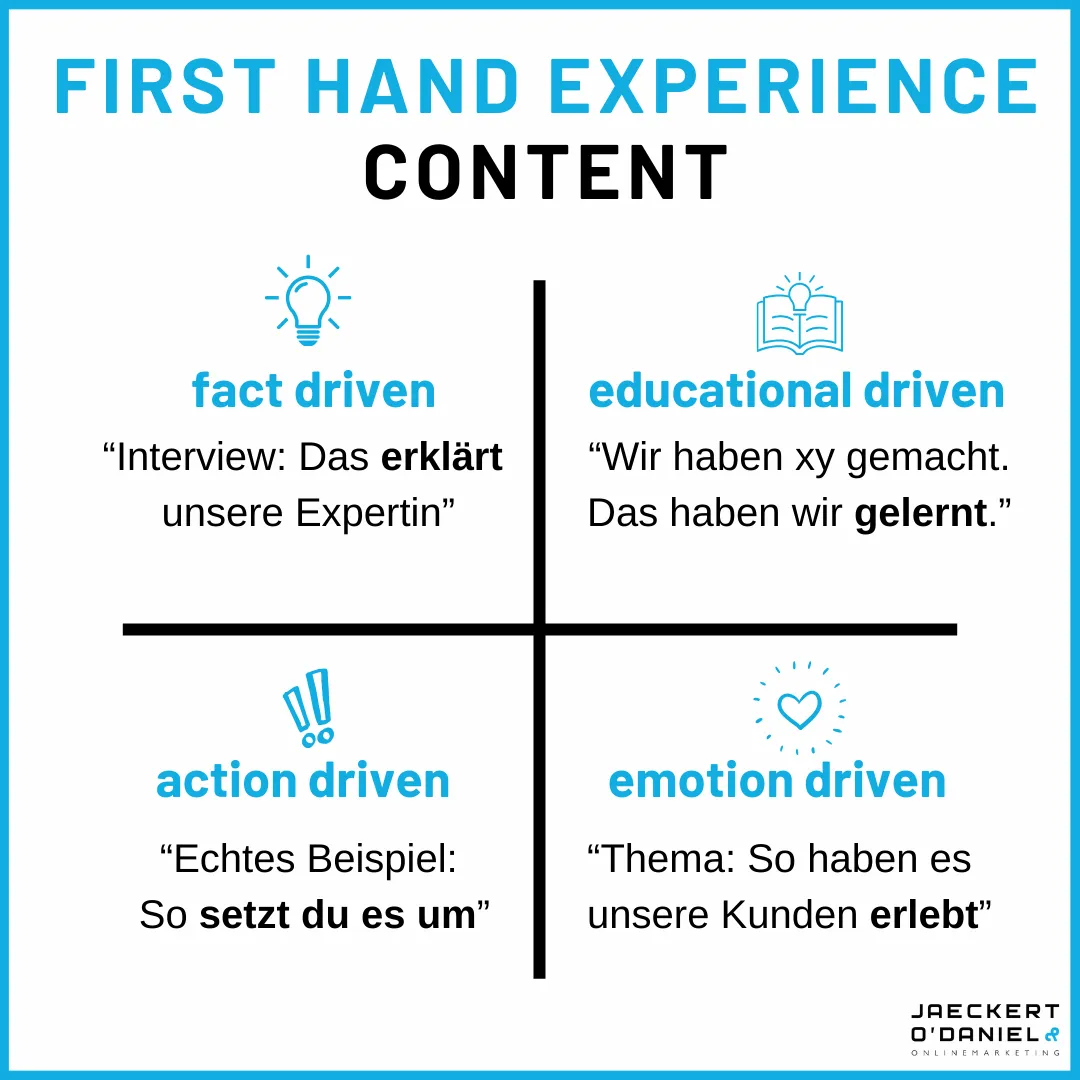
From our point of view there are four levels:
- fact driven: current news, classification
- educational driven: helpful tips
- emotion driven: topics led by feeling
- action driven: instructions for action
All four areas are each combined with real experience, experts, numbers, and so on. The opposite of AI-generated texts and photos.
We will also discuss and apply this system in our next deep-dive workshop in the Academy. Together with the second aspect, granular planning and keyword research.
See also Benjamin O’Daniel’s LinkedIn post on “First Hand Experience”.
Short insights from our podcast
The goal: content that brings clicks
Skyscraper content and AI
How does Ranch Style content work?
We advise marketing leads on SEO
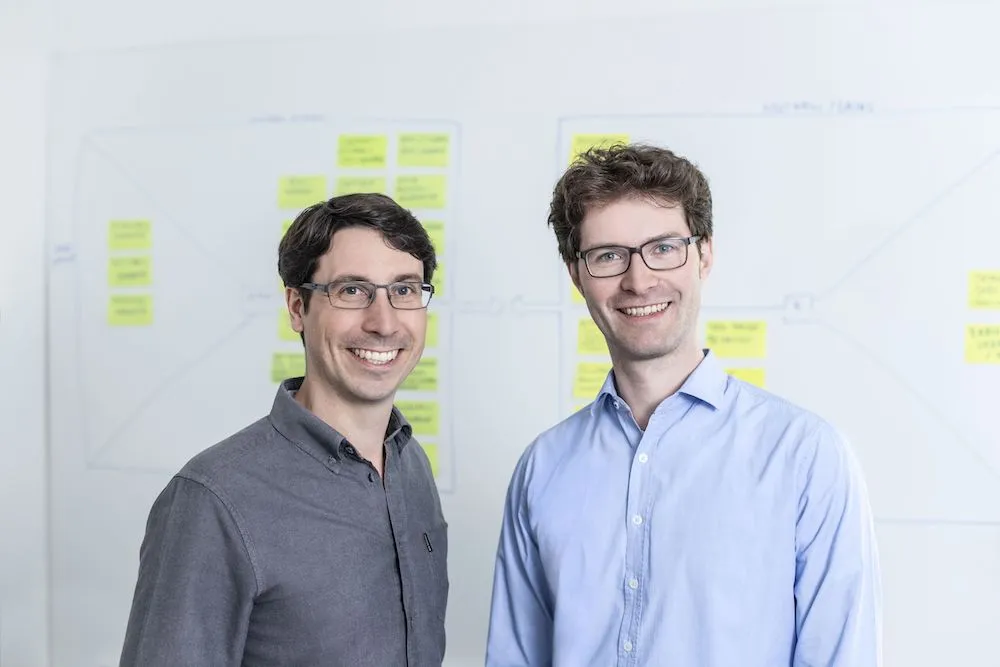
We are Fabian Jaeckert (on the right) and Benjamin O’Daniel. For many years we have worked as consultants for marketing teams. We connect two worlds: Fabian is the technical expert, Benjamin takes on everything around content development.
I look back with great satisfaction on the SEO project that we carried out with Benjamin and Fabian. Firstly, the collaboration was on a very pleasant, goal-oriented level. Secondly, the consultation was structured in such a way that we could immediately start with the implementation. We received very concrete optimization suggestions that were tailored to our internal capacities and therefore realistically implementable. Even though only a few months have passed, we can already see the first results of our work in the Google rankings. Traffic for our relevant keywords is steadily increasing, and we still have enough concrete work packages from Benjamin in the pipeline to boost our site. Furthermore, through the consultation, we have acquired so much internal SEO know-how that we can now optimize our site independently. And most importantly: Visitor numbers have doubled – with correspondingly positive effects on sales.
 Mark MaudererDigital Marketing Manager, Bierbaum Proenen
“How can we improve our SEO visibility?”
That basic question sits behind every project we are brought into.
Often it is about reviewing existing SEO and content strategies from the outside and developing new levers.
That is exactly what we specialize in.
We develop SEO strategies for companies and present them, in focus workshops, in a structured and understandable way to the people responsible. After that we support the in-house leads through implementation.
Sounds interesting?
We can set up an SEO intro call by video conference (30 min.).
Deepen your SEO knowledge: every Monday by email

Our interviews with SEO and content marketing professionals

How Südwestrundfunk (SWR) works on search experience: interview with Sarah Stein
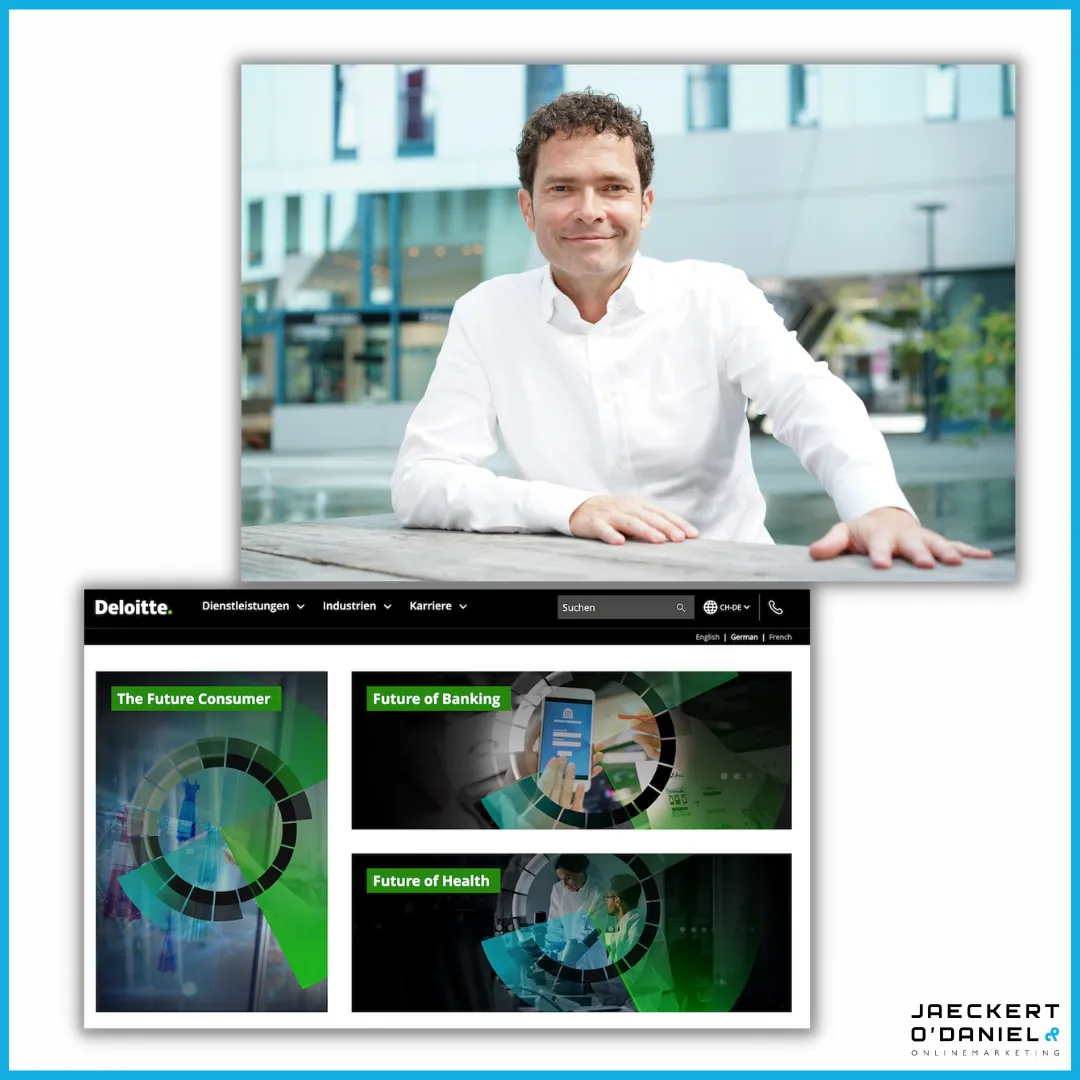
How Deloitte develops thought leadership content: interview with Michael Grampp
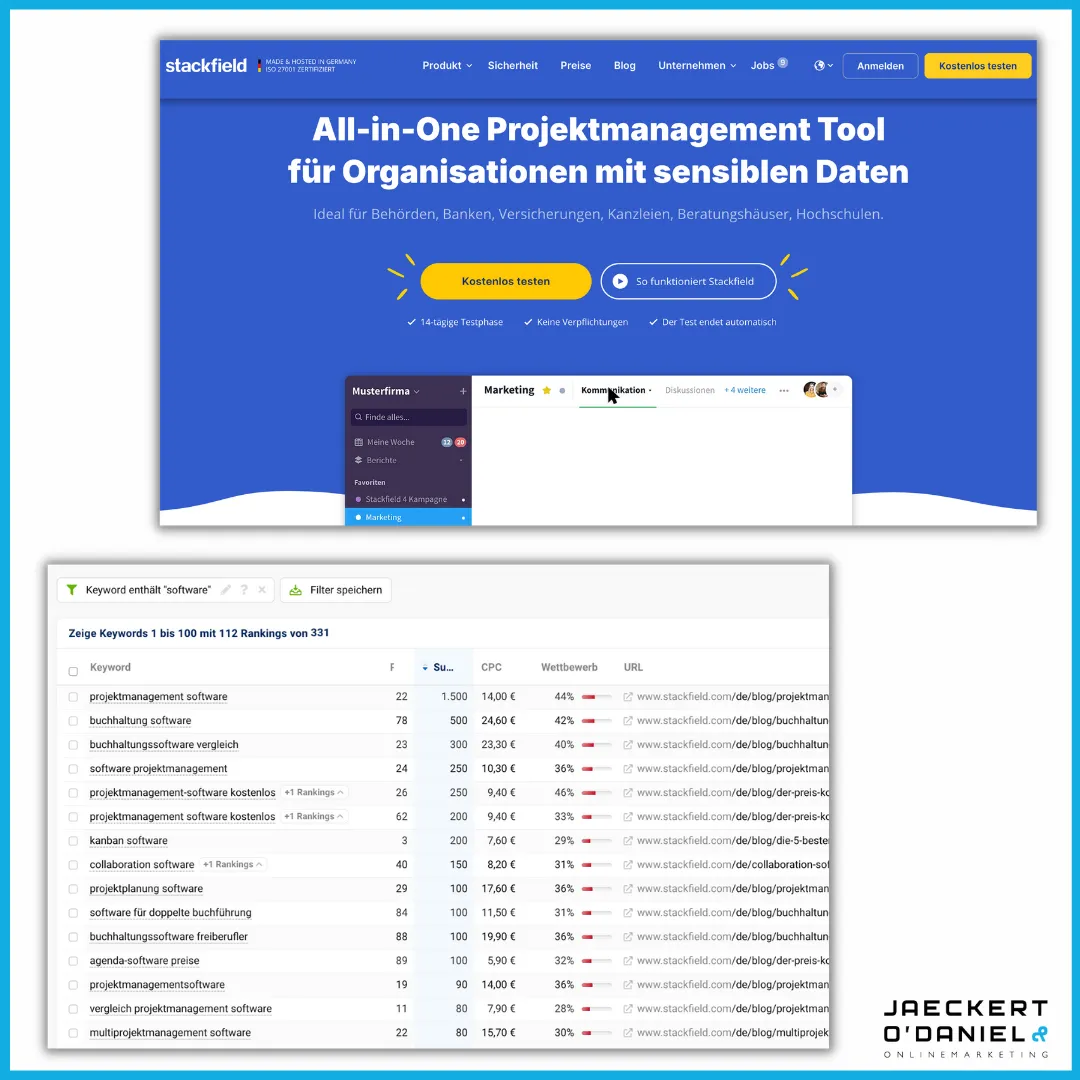
Landing pages for software companies: interview with Thomas Kemp
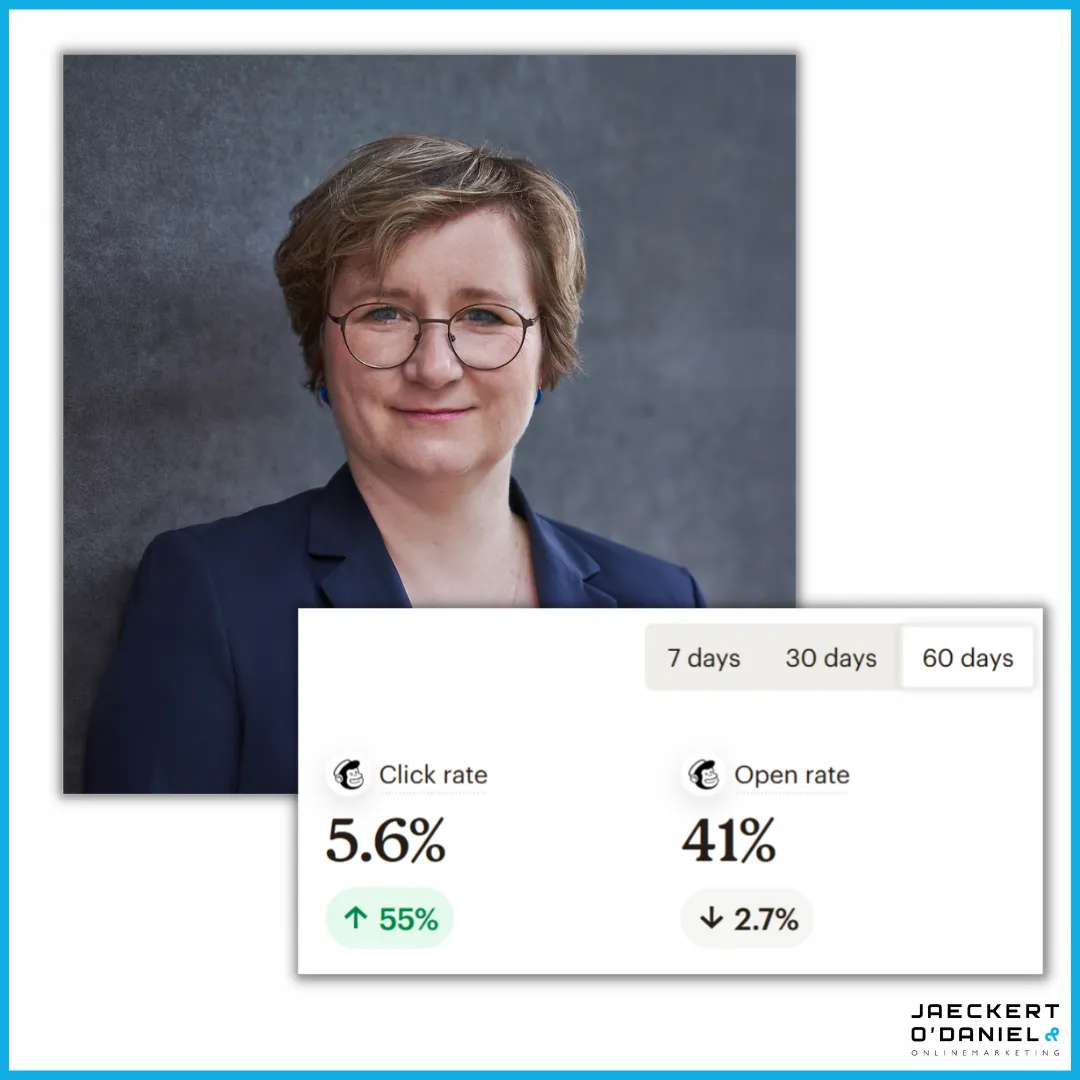
How you develop a successful newsletter: interview with Franziska Bluhm
What does an online shop need to rank successfully? Interview with Stefan Vorwerk
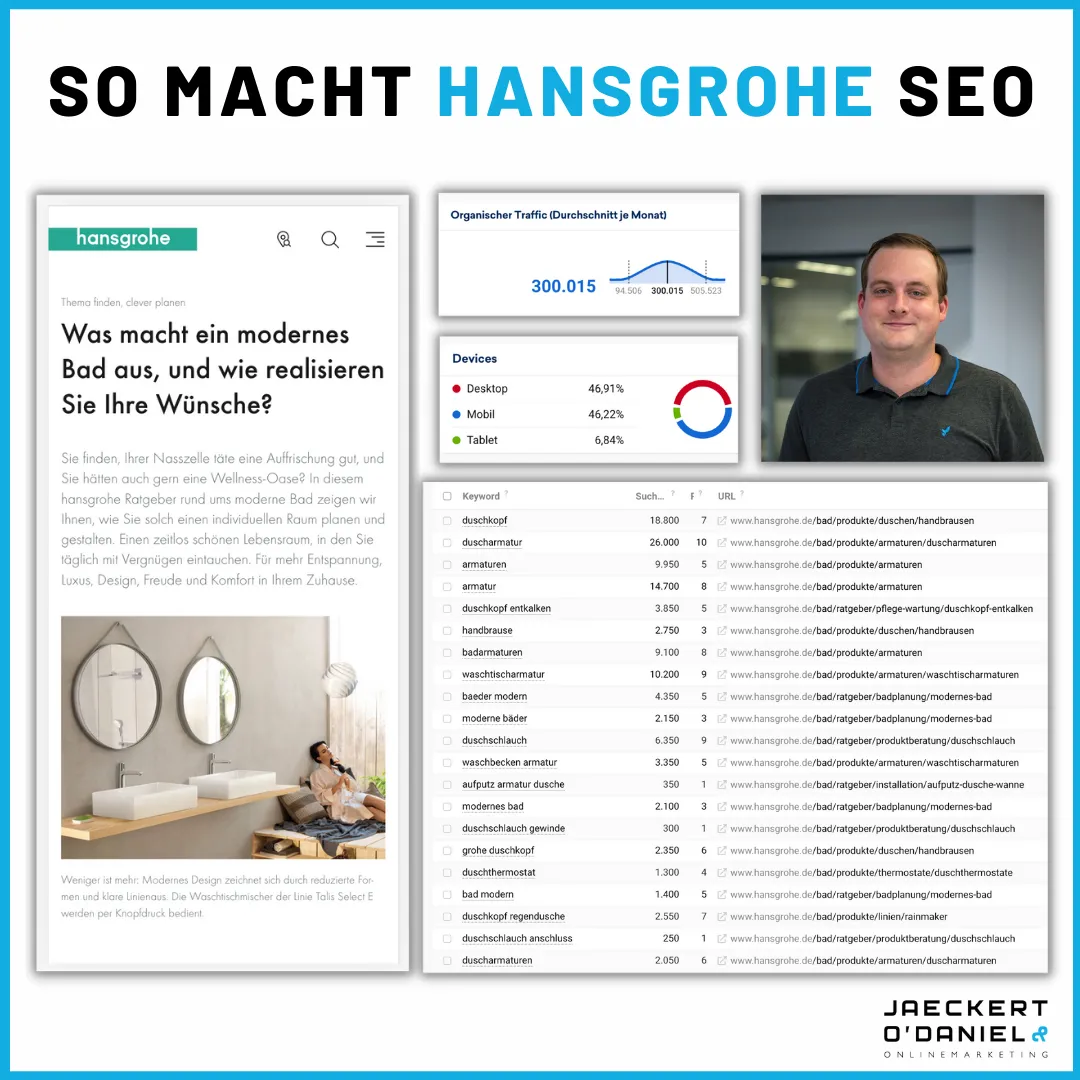
How Hansgrohe does SEO in 40 countries: interview with Jörg Niethammer

How user testing works: interview with Astrid Kramer on UX and SEO

SEO for software companies: interview with Lisa Karasch