April 24, 2023Benjamin O’Daniel
Behind the scenes: 6 years of the podcast - what have we learned?
A podcast is a demanding content format. Even so, we have now recorded an episode every week for six years.
In this episode we look back at the beginnings and sum up what we have learned, and what the podcast has brought us.
Our podcast clearly sits in a niche, because we talk exclusively about specialist topics in search engine optimization.
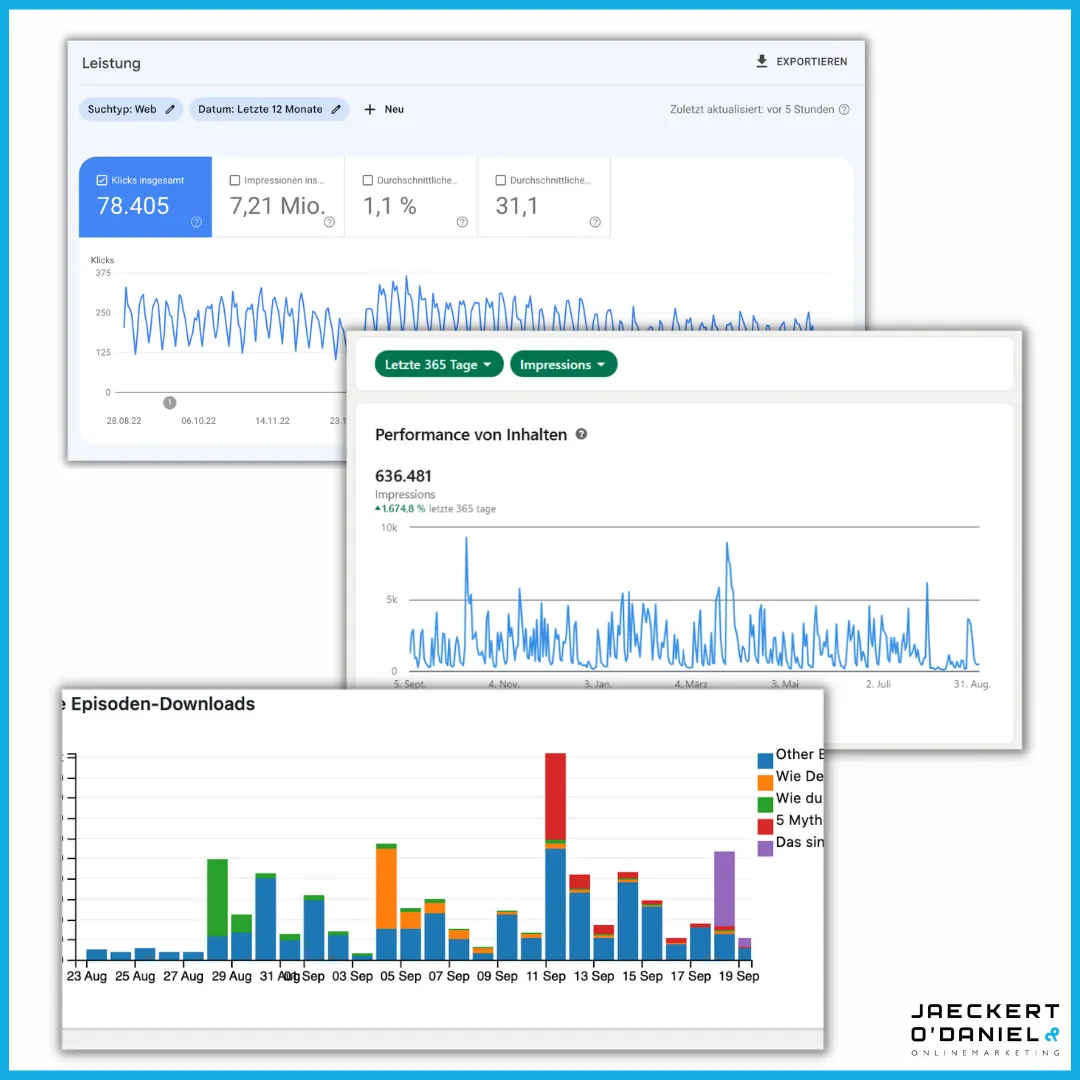
We have now published more than 280 episodes, and we reach an average of 1,500 to 2,000 downloads per episode. Is that a lot or a little? We talk about that in the episode too.
These were the three biggest to-dos when we started our podcast
Developing a podcast is demanding on several levels. These three core tasks kept us very busy at the beginning:
- Technology: Microphones, editing software, hosting, connecting to the podcast platforms. All of that had to be set up correctly once.
- Editorial: On the content side it was clear to us: we wanted to offer specialist, useful content, without crude advertising. On that basis we developed topics our clients are dealing with.
- Personality: Most people do not really like hearing their own voice in a recording. That took some effort from us too. At the same time it was clear to us: we do not want a scripted recording. We want to speak freely.
Although we have a lot of experience both in technology and on the editorial side, we got support at the beginning. Thanks once again at this point to Maik Pfingsten, who got us into podcasting.
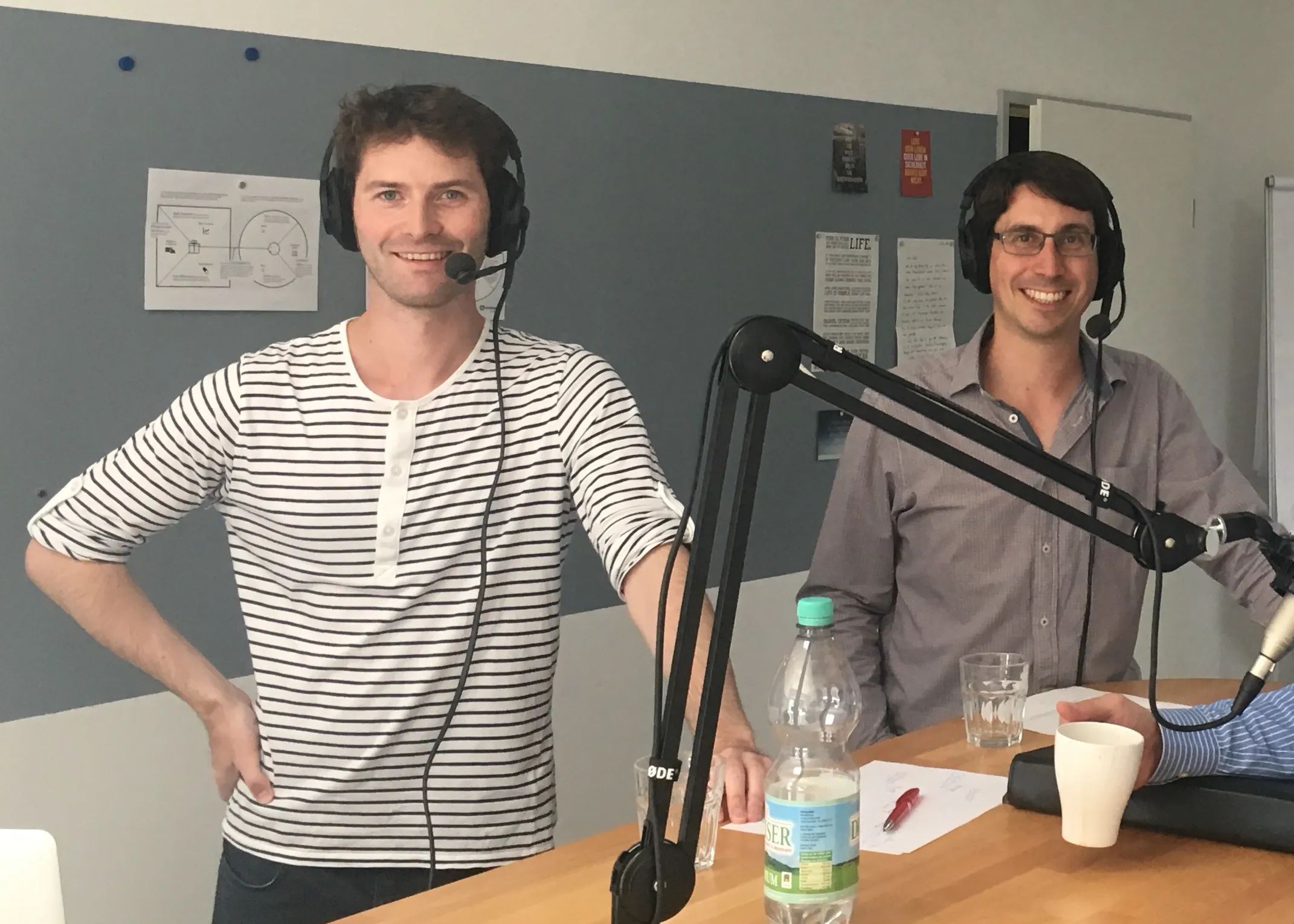
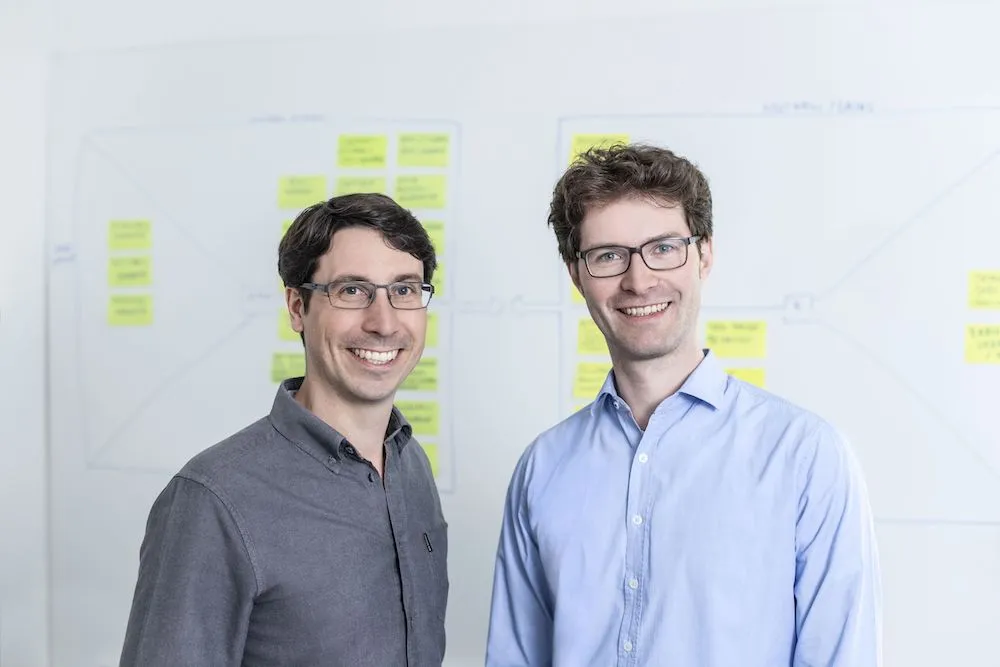
Here is one of the rare situations in which we recorded together in a studio. Otherwise, since the first episode, we have recorded remotely from different locations. That works if you plan the episodes cleanly in advance.
Two major challenges with podcasts
Steady audience development
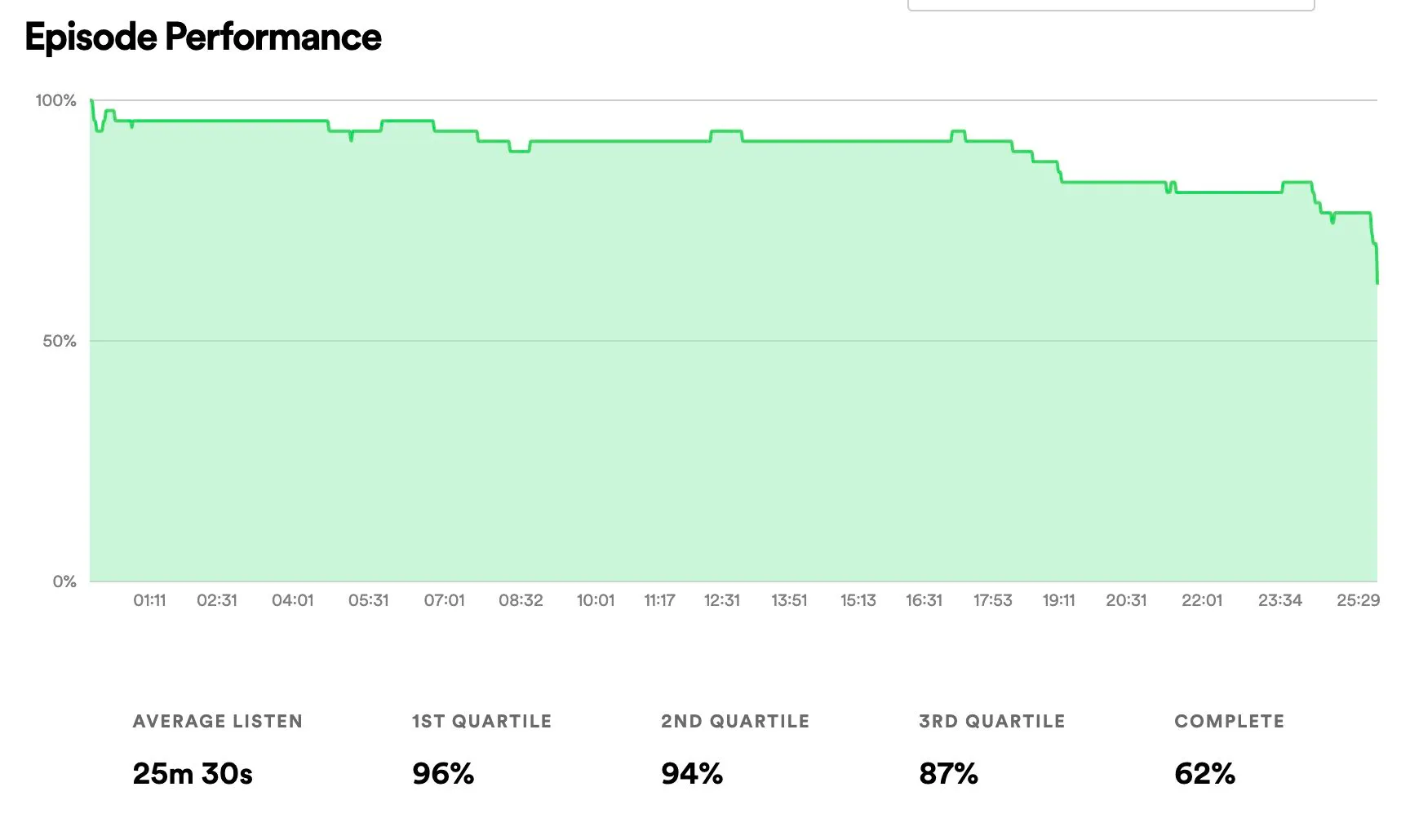
If you start a podcast, you start with zero listeners. That happens to everyone. Podcasts rarely have growth rates as strong as social media channels, for example. In return, listeners invest much more time in an episode. With us, often more than 70 to 80 percent stay until the end, as you can see in Spotify Podcast Analytics. We follow a topic-based content strategy. That means: when we discuss a topic, we do it on all of our channels. From long-form content in the podcast to website show notes, a newsletter mention, and LinkedIn posts.
The right goals
In our view, many corporate podcasts have goals that are too strongly sales-driven. That leads to content that is too promotional and too superficial. You should take your listeners seriously and put their interests and questions at the center. In our experience, a corporate podcast brings much more than “only” clients: you think through all the relevant topics much more thoroughly. If it works, you get invitations to other podcasts and to conferences, and through that you build a strong network of experts.
Deepen your SEO knowledge: every Monday by email

Who listens to our podcast? About our audience, community, and clients
We discussed at length who our listeners are and how we find and prepare the right topics for them. Roughly speaking, there are three different “categories”:
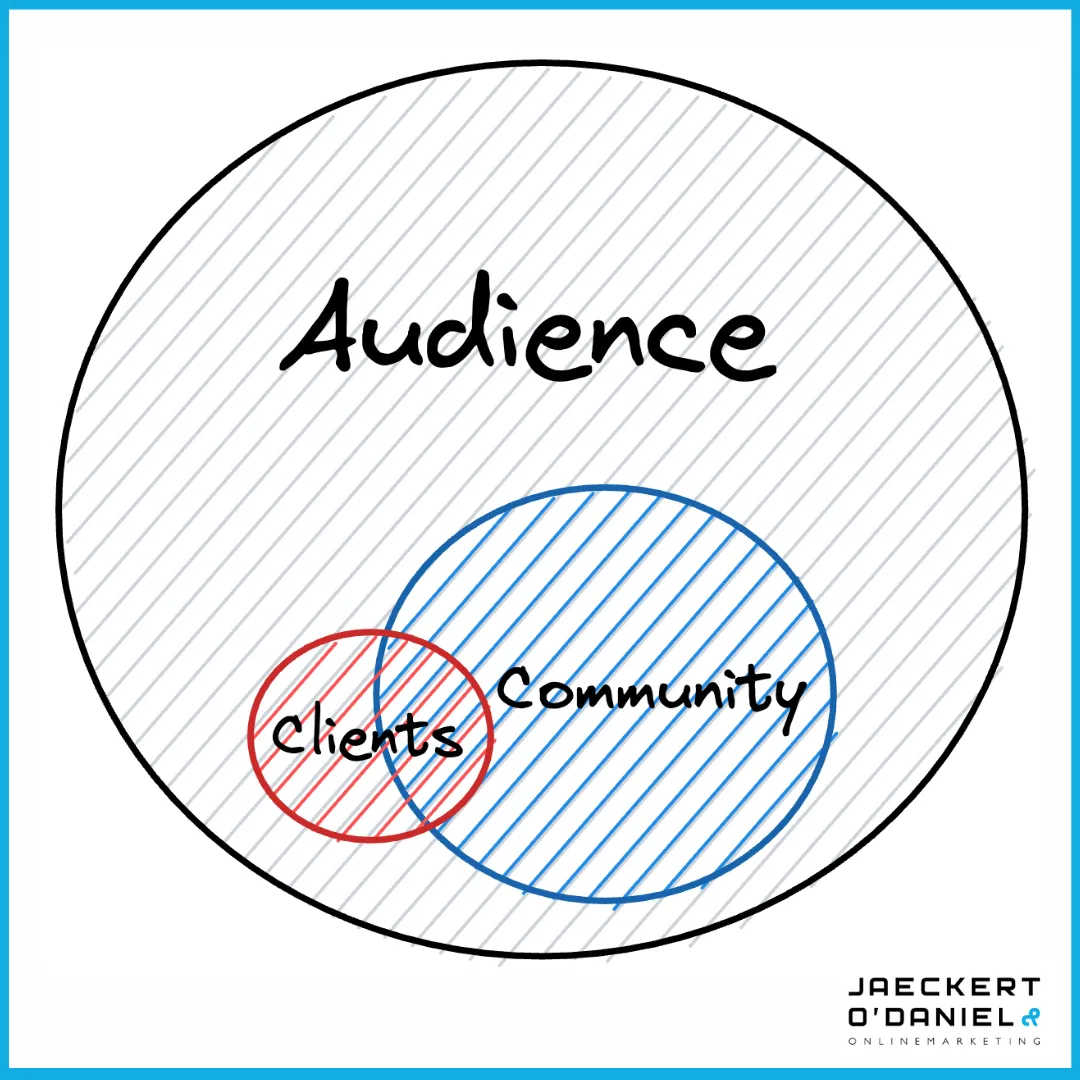
- Audience: Many people listen to our podcast now and then. For example, when a particular topic affects them strongly, or when we have an interview guest who interests them especially. Many also follow us on LinkedIn, because they do not always have time for podcasts but still want to follow what we discuss.
- Community: A smaller share listens to us very intensively. Some tell us, for example, that they listen to a great many episodes in a short time because they are just getting up to speed. Others have listened to us for years.
- Clients: Our clients listen to our podcast too, in order to stay up to date. In our consulting we often also point to specific episodes in which we have discussed individual topics once more. By the way: here we have also interviewed a client once before.
Our personal success metric: a high listening time
Podcasts are and remain a comparatively “niche” content format. If you only care about reach, you should use other formats.
In return, good podcasts perform on a completely different level: listening time. In Spotify Podcast Analytics we regularly track how long our listeners “stay with it”. On good episodes, 70 to 80 percent of listeners are still there in the last quartile. Then we are satisfied.
To put it plainly: a LinkedIn post gets a dwell time of 3 to 30 seconds. A blog article around 3 minutes. A podcast 30 minutes.
That does not mean that one content format or the other is better. Quality simply emerges on a different level.
Open topics that we keep discussing
Over the years our podcast has grown more and more. At the same time we also see that other podcasts in online marketing generate significantly more reach. That regularly leads us to two discussions:
- Topic focus: Do we want to discuss topics around online marketing, or marketing as a whole, more openly? Or do we stay with our very strong SEO focus? For us, the question is whether we enlarge our audience, but possibly alienate our community in the process. We also only want to talk about topics we really know.
- Advertising: Do we also want to open up to advertising partnerships? How much do we put our credibility as experts on the line for that? For example, we do not want to promote an SEO tool that we do not use ourselves and are not convinced of.
Some of our interviews from the last 6 years

How user testing works: Interview with Astrid Kramer on UX and SEO

SEO as a growth strategy: Interview with Kevin Indig
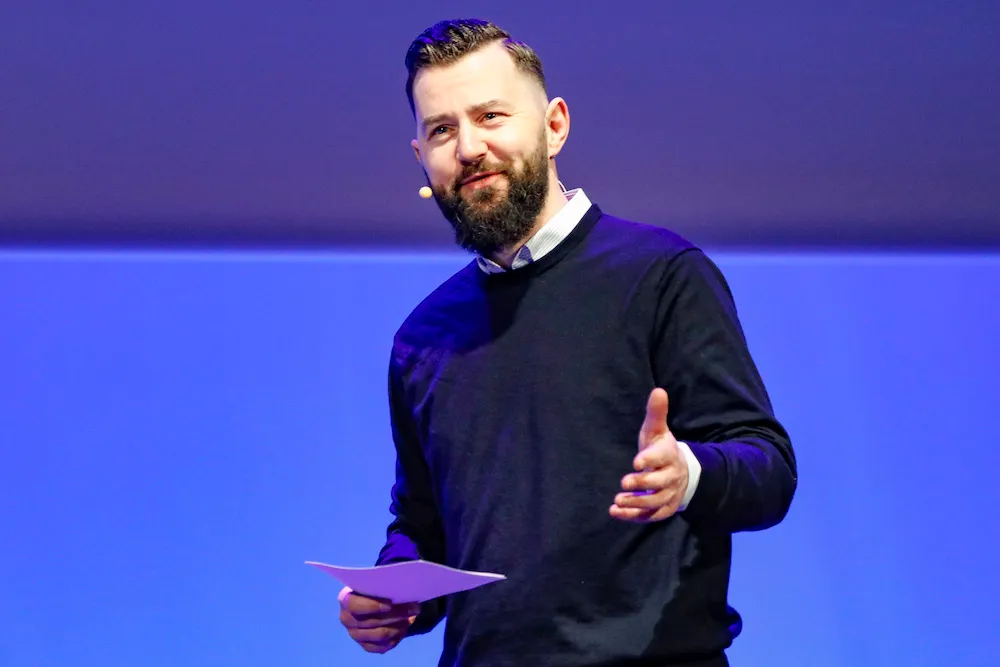
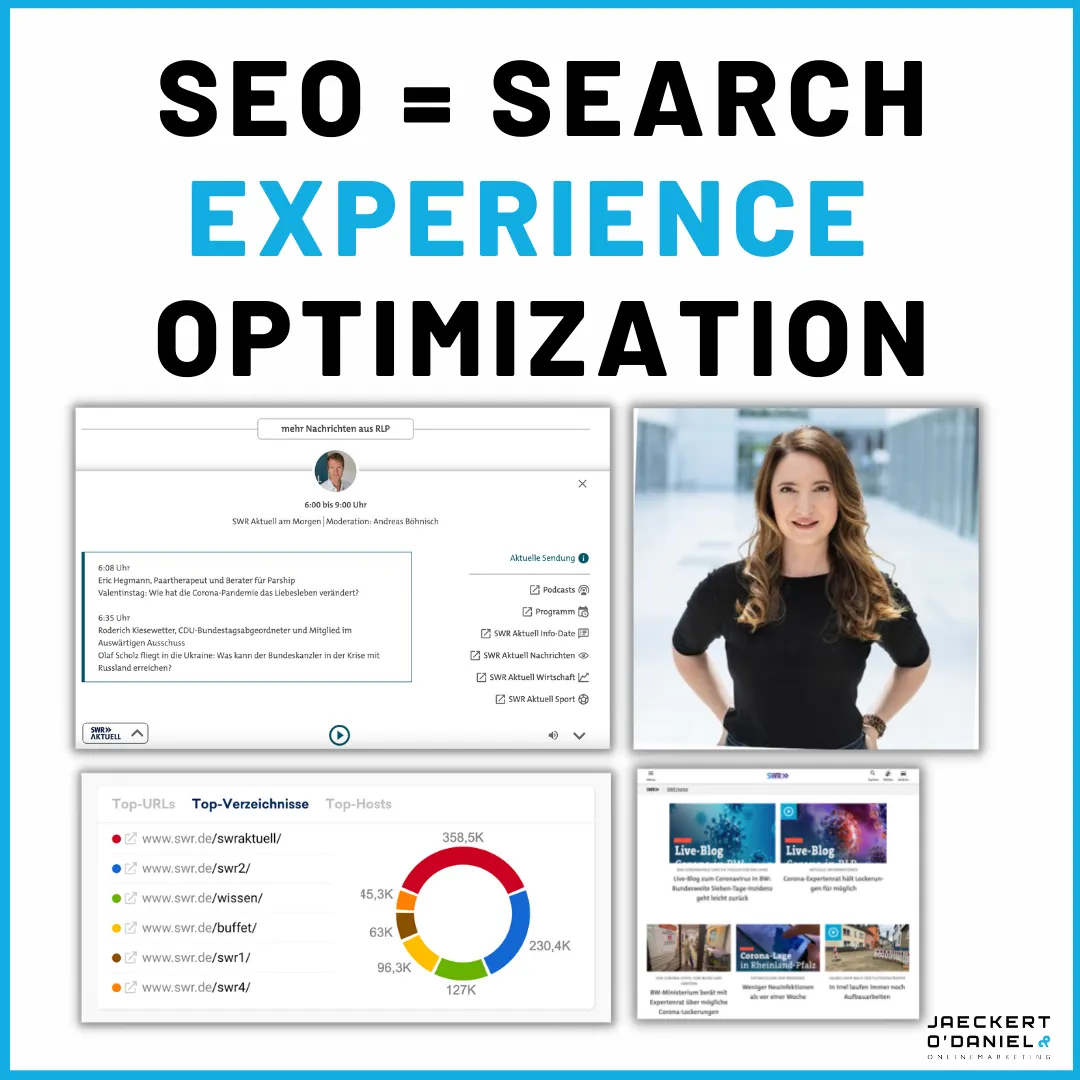
How Südwestrundfunk (SWR) works on search experience: Interview with Sarah Stein
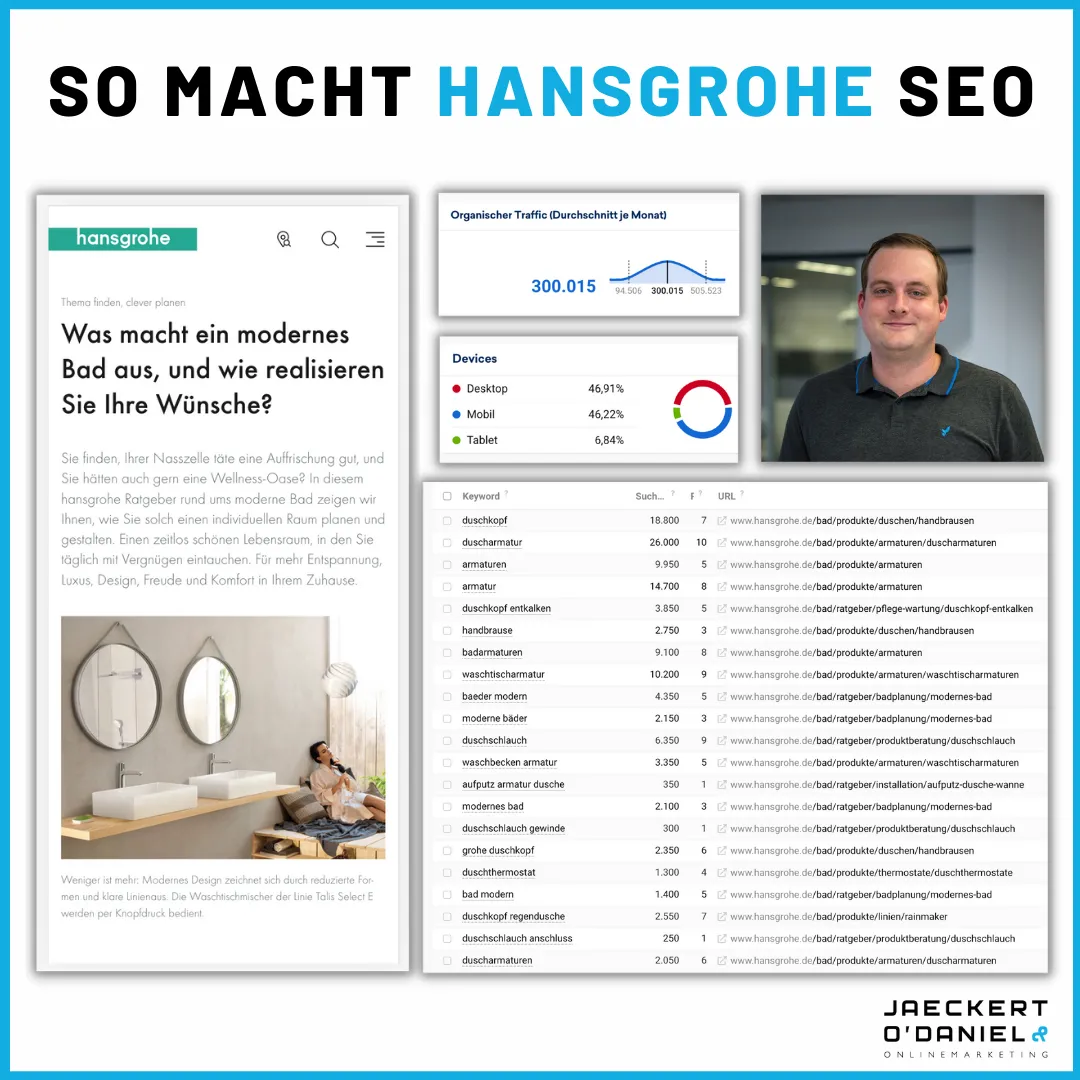
How Hansgrohe does SEO in 40 countries: Interview with Jörg Niethammer

How dm increases its SEO visibility: Interview with Philipp Hassinger

SEO quality assurance: How to protect your rankings. Interview with Gianna Brachetti-Truskawa
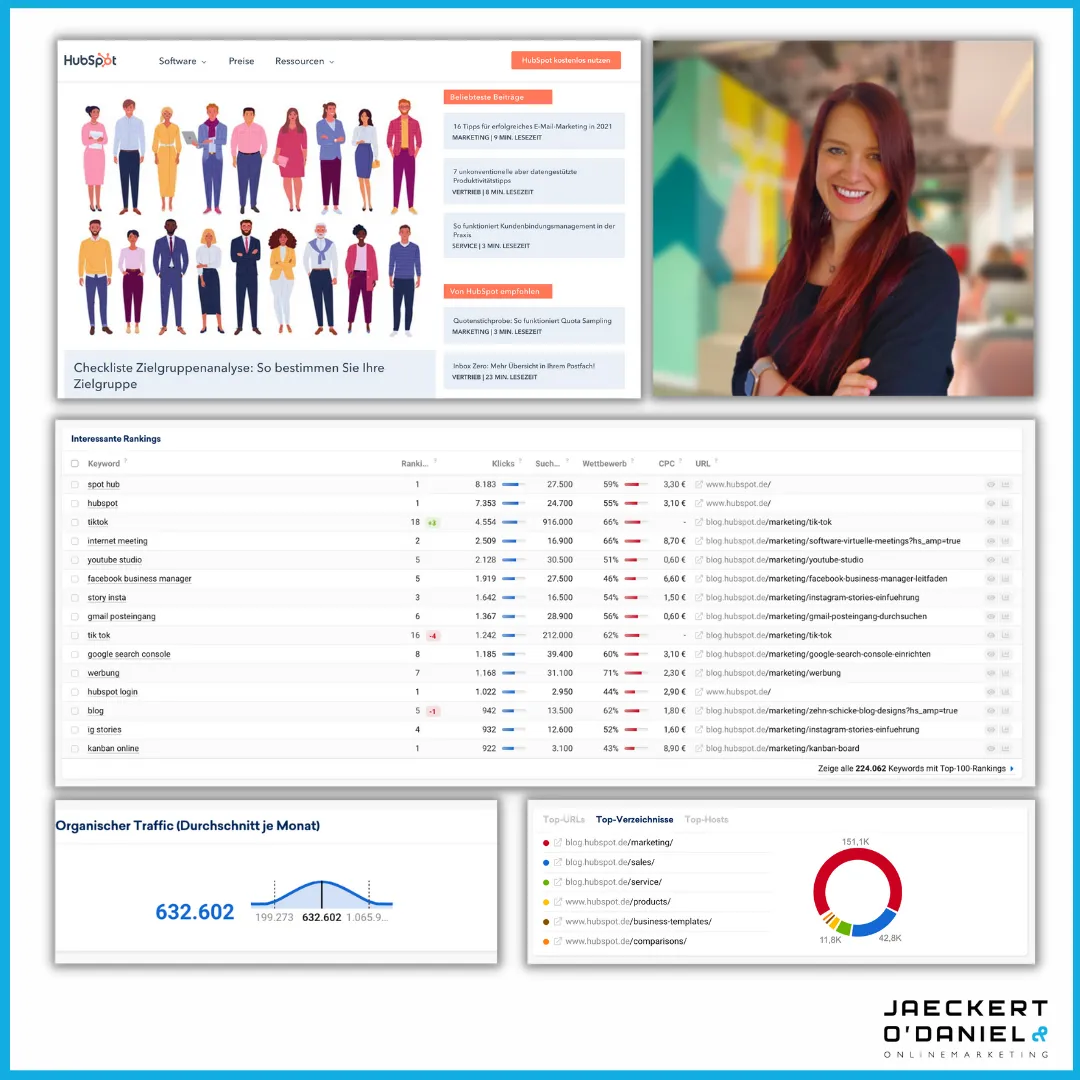
Hubspot's SEO strategy: Interview with Jenny Lapp