April 15, 2024Benjamin O’Daniel
Landing Pages for Software Companies: Interview with Thomas Kemp
Advertising software is an art of its own. The products are complex, often have very specific target groups - and are purely digital.
No wonder that in the SaaS industry, content marketing and SEO are placed high up. Especially since click prices in advertising systems such as Google Ads have been rising further and further for years.
What are the levers in content? Especially on the homepage and on landing pages? When and how does SEO play a role? We talk about that with Thomas Kemp, an experienced copywriter who specializes in the SaaS industry. From the headline through product images to the right call to action - all of it with examples.
Our guest: Thomas Kemp

Thomas Kemp specializes in copywriting for software companies.
At RWTH Aachen, Thomas studied technical communication. After that he was an editor for a long time at an online portal for entrepreneurs. Eventually he focused more and more on the software industry.
“The industry works in an agile, results-oriented way. And the products are often complex and need explaining - both suit me,” Thomas says in the interview.
His clients are in part spin-offs from science, but also pure tech startups or organizationally separate offshoots of corporations.
3 challenges for the landing pages
Which features have priority?
Software products usually have a whole series of features. Not without reason, many SaaS providers advertise that they have an “all-in-one” solution. What sounds attractive at first glance is extremely challenging for copywriting. Because not all features are worth the same. You have to find out which features produce the most conversions, or the highest-value ones. For that you have to prioritize - and pour the whole thing into understandable, attractive text and graphic elements.
How do we show the product?
A great many software companies still work with generic illustrations or portrait photos of their ideal customers. Yet all experience from the industry shows: what sells is the product. So it is about showing the software - as large as possible, and in real use. Users do not want a surprise. Showing the software only in the demo call is too late - by then you have already lost too many people at the front who never got in touch. An aspect we also addressed in our episode on strategic image SEO.
How can we get specific?
Another weakness: because many SaaS products have very different use cases, the headlines retreat to generalities. Many providers, for example, advertise that they are “digitization software”. Or a solution “for mid-sized companies”, which more or less every company falls under. According to Thomas it is better to name concrete industries - and to set priorities here again. Because then exactly the target customers from that industry get in touch. They feel clearly addressed right away.
This is where SEO plays a role - an example
In the podcast interview we talk about a series of examples. Not to criticize or highlight individual companies, but to explain the problems.
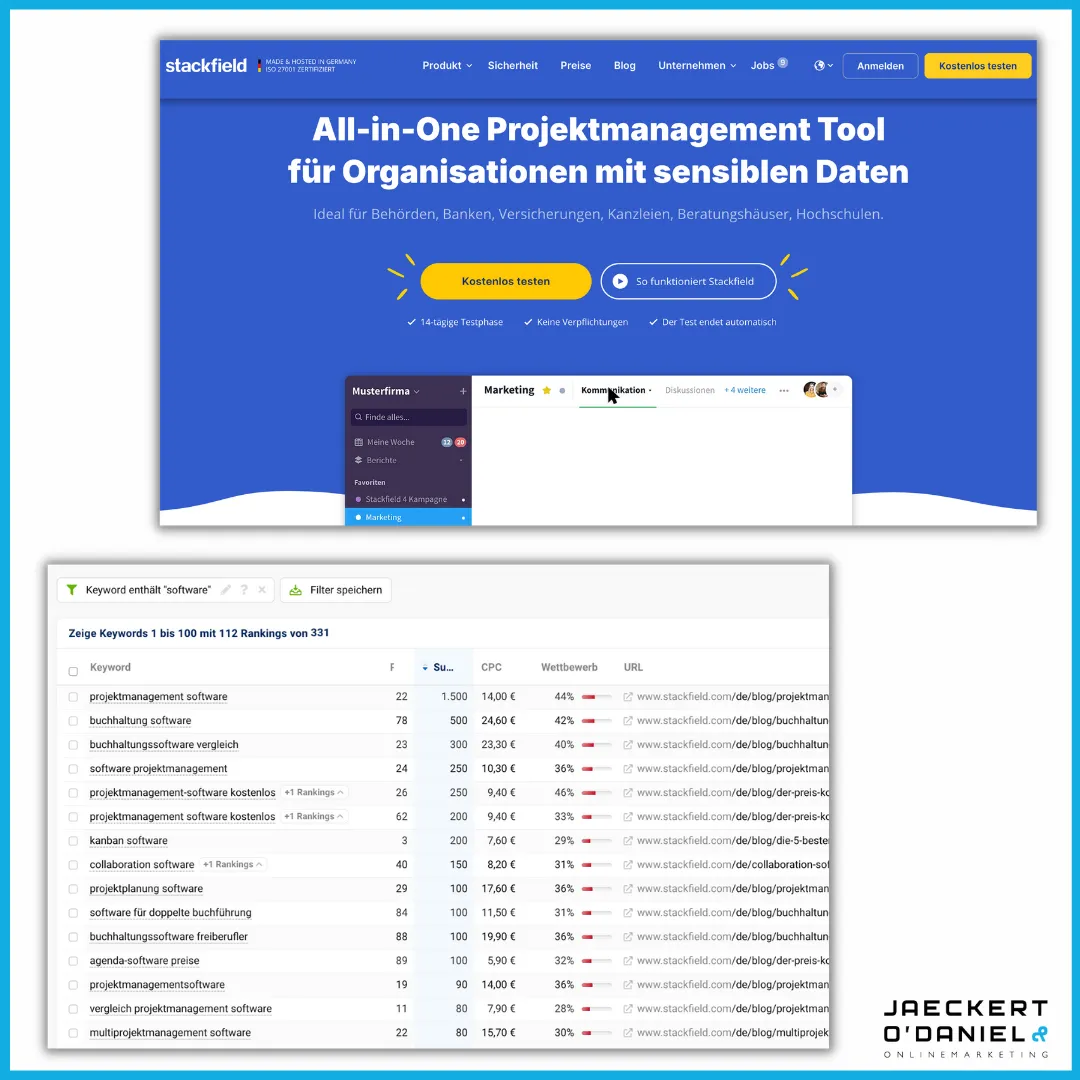
One example that Thomas names spontaneously is Stackfield. The project management tool specializes in companies with sensitive data. A great deal is done very well on the homepage: from the headline that brings out the USP, to the sub-headline that names concrete industries. The software itself is shown directly as well.
A first SEO check shows, though: the company does not rank in the top 10 for valuable generic terms around software. Instead, blog articles rank for them, and some of those discuss other topics.
A series of specifically built and optimized SEO landing pages would lend themselves here. Mind you, not with an SEO text. But with high-quality content that meets users exactly at their search or information needs. The focus on the target groups happens in the content.
We also spoke recently with Lisa Karasch on our podcast about exactly that. She is responsible for SEO and content at a software company.
We advise marketing leads on SEO
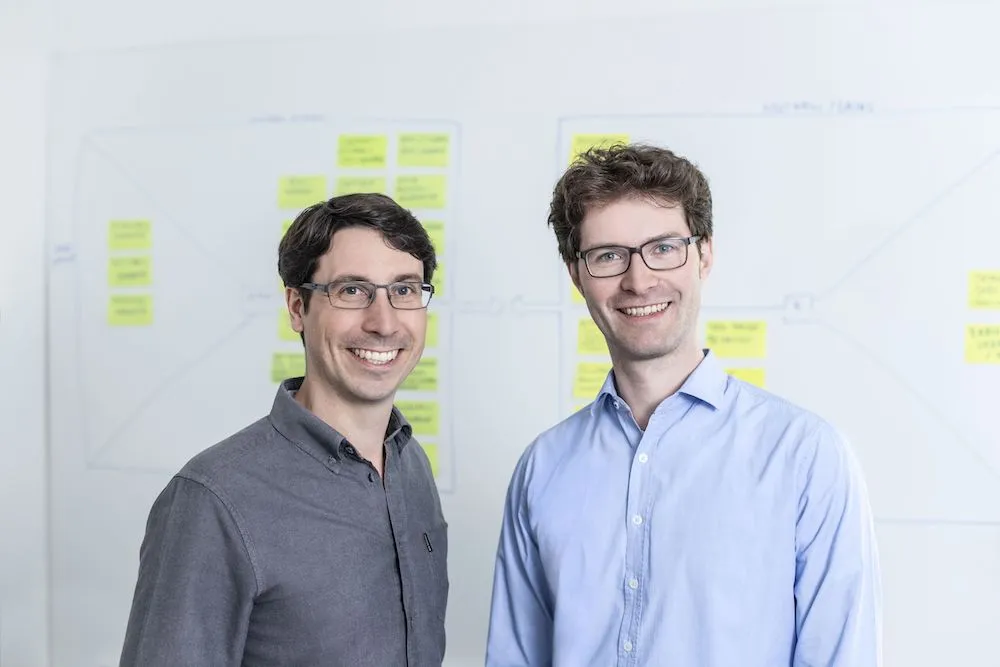
We are Fabian Jaeckert (on the right) and Benjamin O’Daniel. For many years we have worked as consultants for marketing teams. We combine two worlds: Fabian is the technical expert, Benjamin covers everything around content development.
For our marketing team, we specifically sought a sparring partner for SEO and content. Our goal was to gain new external insights to better leverage our ranking potential as a well-known brand in our market segment. Fabian and Benjamin delved deeply into our needs, and thanks to their comprehensive, data-driven analysis, they were able to provide us with concrete optimization suggestions for our SEO strategy. We particularly appreciated that we could achieve our goal with existing resources and focused testing.
 Bernd GüntherSage
“How can we improve our SEO visibility?”
This basic question sits behind every project we are brought into.
Often it is about reviewing existing SEO and content strategies from the outside and developing new levers.
That is exactly what we specialize in.
We develop SEO strategies for companies and present them in focus workshops, in a structured and understandable way, to the people in charge. Then we support the in-house leads as they put them into practice.
Sound interesting?
We can arrange an SEO intro meeting by video call (30 min.).
Deepen your SEO knowledge: every Monday by email

Our conversations with SEO professionals in the industry

SEO as a Growth Strategy: Interview with Kevin Indig

SEO for a Software Company: Interview with Beat Köck

SEO for Software Companies: Interview with Lisa Karasch

How Software Companies Grow Successfully: Interview with Christian Twardawa
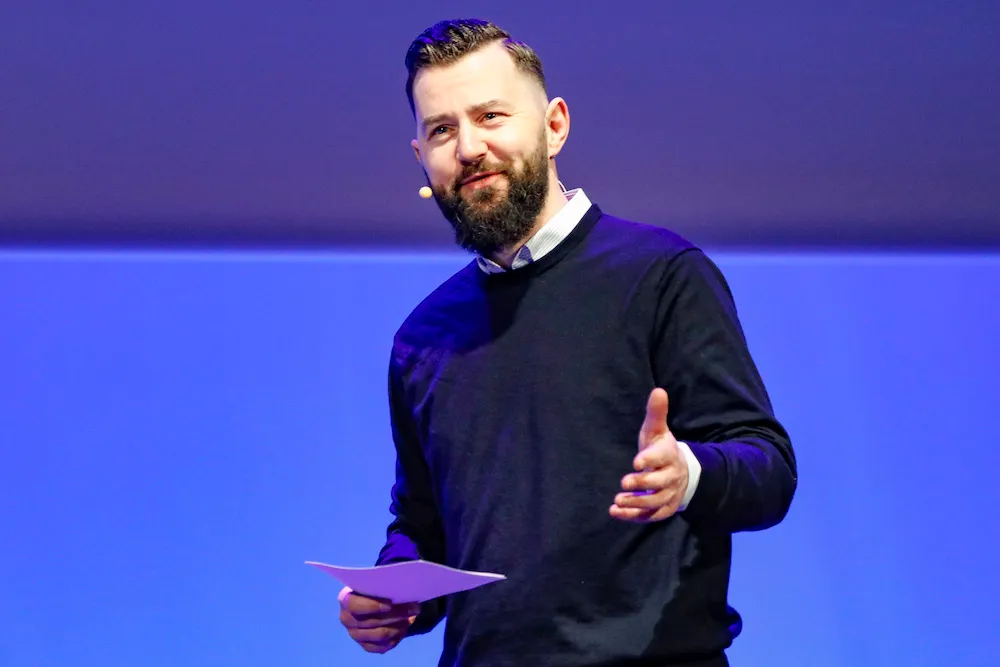
What Does an Online Shop Need to Rank Successfully? Interview with Stefan Vorwerk
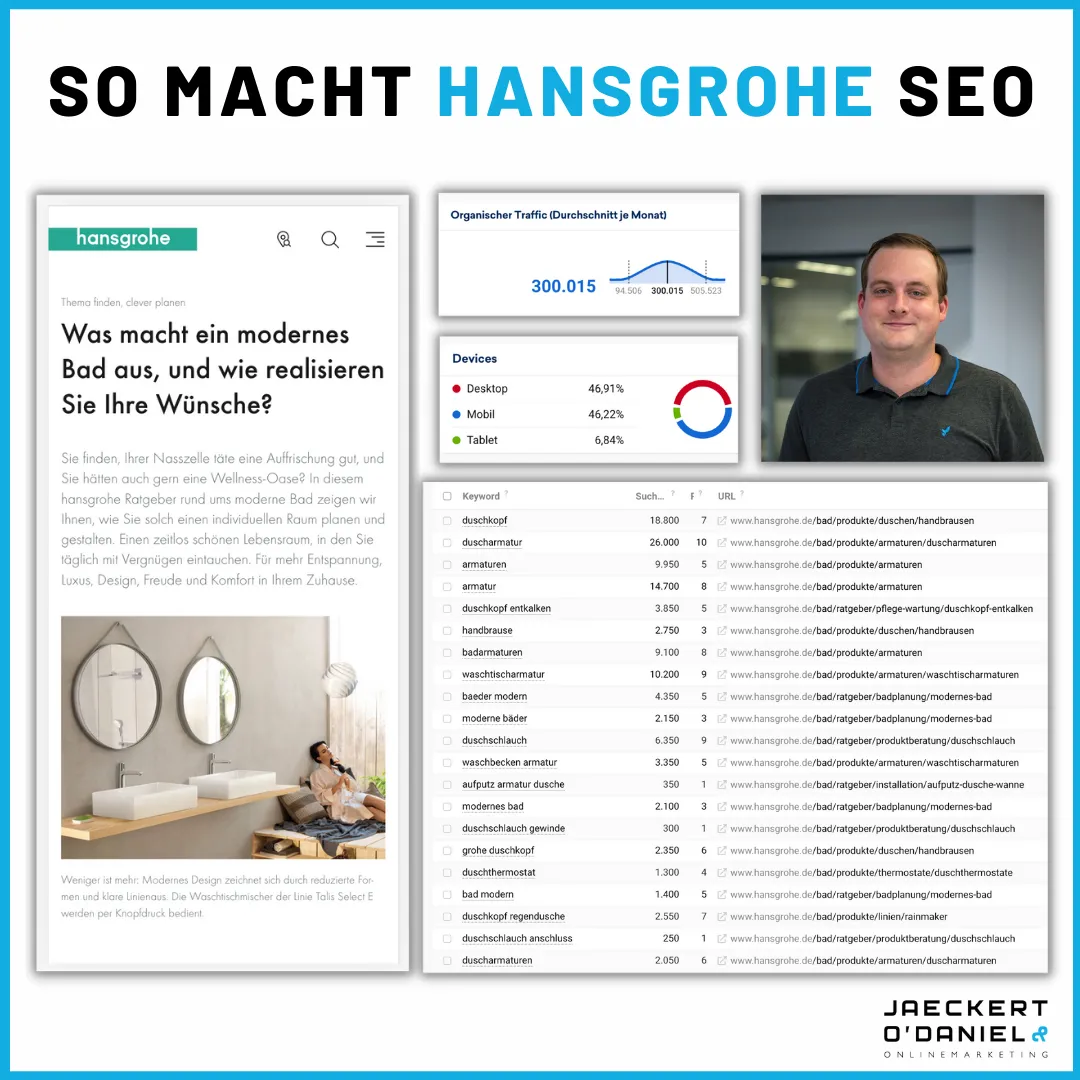
How Hansgrohe Does SEO in 40 Countries: Interview with Jörg Niethammer
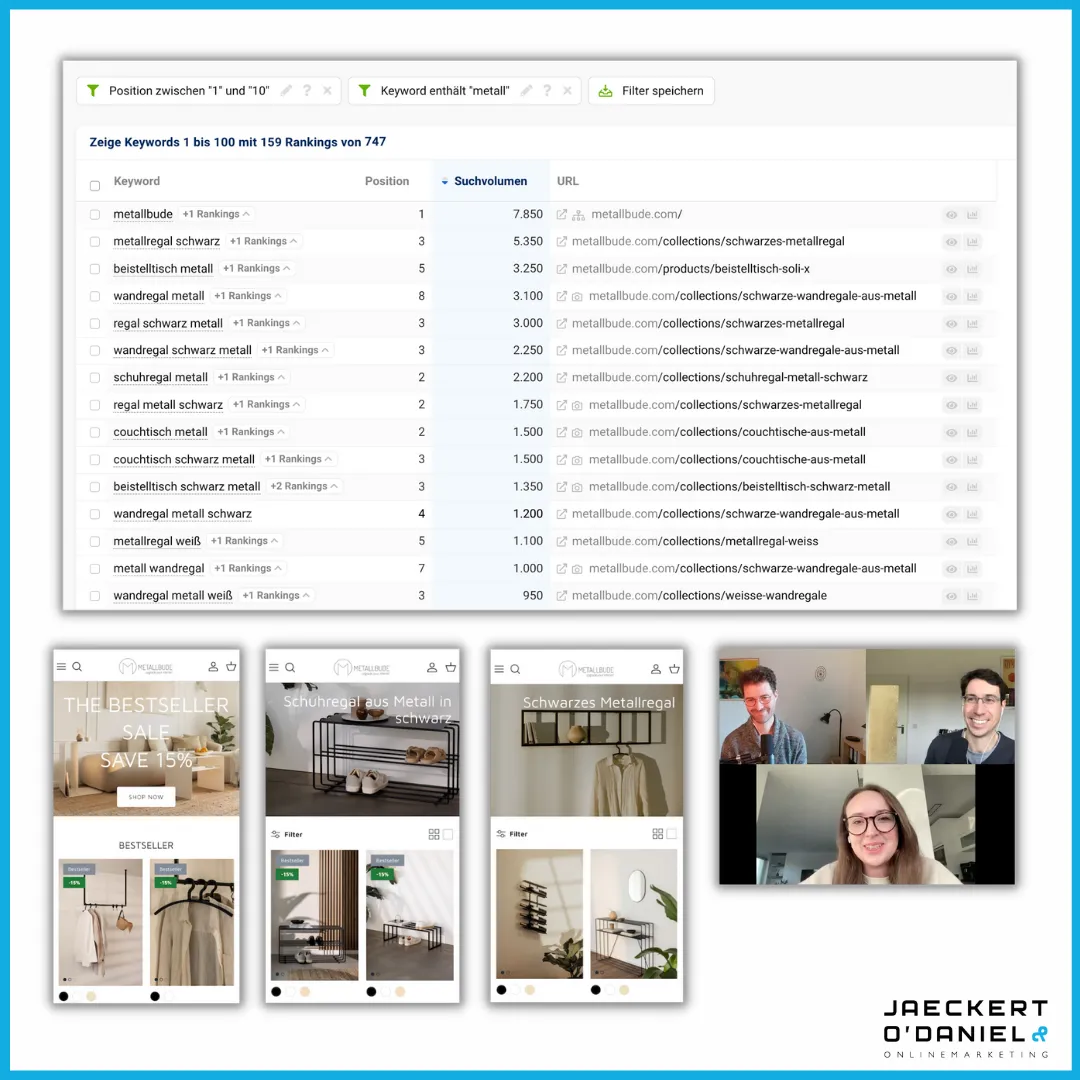
SEO for a Furniture Startup: Interview with Manon Tolkowski
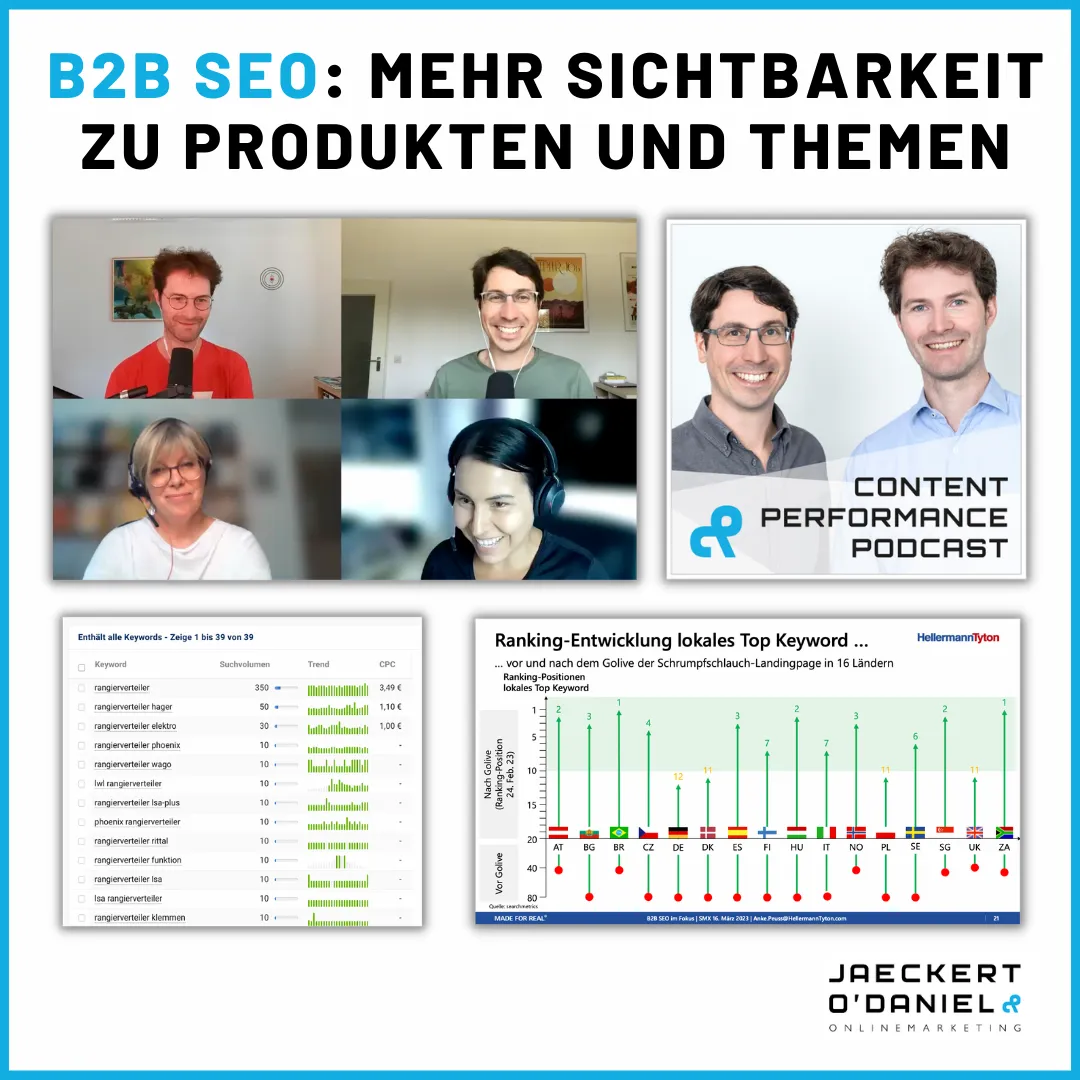
How B2B SEO Works: Interview with Melissa Karabacak and Anke Peuss