March 17, 2025Benjamin O’Daniel
Next Season: Produce Content in Seasons?
Netflix announces a new season of your favorite show? Anticipation rises immediately. And there is a good reason to throw yourself on the couch again. The streaming platforms are very successful with their content production in “seasons” and “mini series”.
But what can you learn from that in content marketing and SEO?
Quite a lot, we think, and that is why we talk in this podcast episode about the phenomenon: what makes a good season. Why producing content in seasons would end many conflicts in marketing. And why we suggest a similar approach in SEO as well.

A B2B example of seasonal content
“Animalz” is a very well-known and innovative content marketing agency from the United Kingdom. It specializes in high-quality content approaches that connect thought leadership content and SEO. What we personally like about Animalz: the agency also puts into practice, for itself, the approaches it proclaims.
The people responsible recently reactivated their podcast. The podcast had not been used for three years. Now the company is starting with a new approach, namely a “season”. The topic: “AI and Content: Where is the value?” The season therefore has a clear thematic focus. Here Animalz goes into depth and shows different perspectives. The interview was chosen as the central format. From each podcast episode, a single editorial article was produced for the blog. The season and each individual topic are also communicated on LinkedIn, and by the two hosts personally (CEO and head of marketing). The example shows: you can implement a content season very well in a B2B setting too.
Seasonal content: fewer debates, more fans
"Strategy" question without a data basis
In many marketing departments, channels and content formats are discussed in very fundamental terms. Whether SEO, podcast, TikTok, or something else, the question is always: “Does this really move us forward?” Unfortunately there are no findings at all about what it really means for your own company and your own industry. The consequence: people behave rather defensively. Also because time and budget are limited. You thereby rule out a great many options. But if you plan a season, you have created a frame in time and in content. Inside that frame you can gather experience of what it concretely costs in time, and what it brings. Sometimes very surprising findings come out, as here in our own 100-video experiment on TikTok.
What about the users?
Strange, really: when a new season arrives on Netflix, everyone is “on fire”. But who actually cares about content from companies? Usually very few people. That is because companies often create very promotional content. But also because they rarely build a real pull. And that even though every industry has highly relevant topics. The goal should not only be “more traffic”. It should be users who really interact with the content. Who maybe even become fans. User signals are what make posts take off on social media. And user signals are also a central lever for better rankings in SEO.
You can plan SEO in seasons too
You can think in “seasons” very well in SEO too. In our consulting we always focus on one central line of business. The advantage: in keyword research we really go into depth here, and from that we work out a concrete content roadmap. The roadmap is demanding, but at the same time manageable.
Marketing leads can then move into implementation. For example, create a targeted number of landing pages and blog articles. The project is outlined and clearly bounded. Afterwards you can evaluate what it brought.
We advise marketing leads on SEO
For anyone seeking an SEO sparring partner or comprehensive SEO consulting, Fabian and Benjamin are the perfect choice. As an in-house SEO expert, I sought competent SEO support and found it with them. During a very pleasant introductory meeting, we jointly developed an approach to establish SEO among the individual stakeholders and thereby gain more internal visibility for the subject. Based on this initial discussion and a joint kick-off with the stakeholders, they developed a sound SEO and content strategy for a product area. Since then, they have both supported me as sparring partners during implementation.
The collaboration with Fabian and Benjamin is a great pleasure for me and all project participants, as they are masters of their craft and bring immense passion for SEO. This combination is infectious and motivates everyone to achieve peak performance.
 Regina BiskopDeutsche Kreditbank AG
I look back with great satisfaction on the SEO project that we carried out with Benjamin and Fabian. Firstly, the collaboration was on a very pleasant, goal-oriented level. Secondly, the consultation was structured in such a way that we could immediately start with the implementation. We received very concrete optimization suggestions that were tailored to our internal capacities and therefore realistically implementable. Even though only a few months have passed, we can already see the first results of our work in the Google rankings. Traffic for our relevant keywords is steadily increasing, and we still have enough concrete work packages from Benjamin in the pipeline to boost our site. Furthermore, through the consultation, we have acquired so much internal SEO know-how that we can now optimize our site independently. And most importantly: Visitor numbers have doubled – with correspondingly positive effects on sales.
 Mark MaudererDigital Marketing Manager, Bierbaum Proenen
Deepen your SEO knowledge: every Monday by email

Our conversations with SEO professionals in the industry
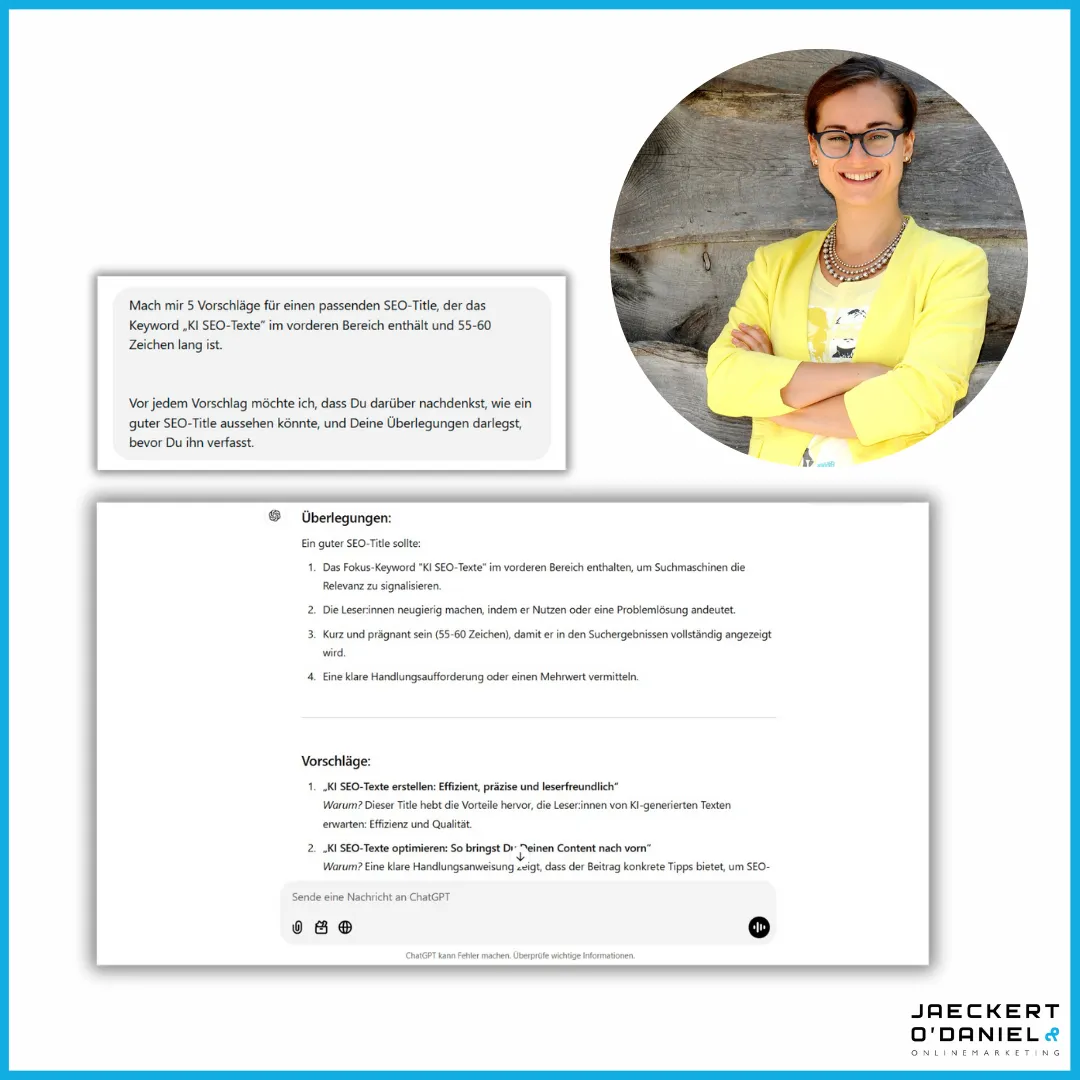
How SEO writers work with ChatGPT: interview with Monika Weber
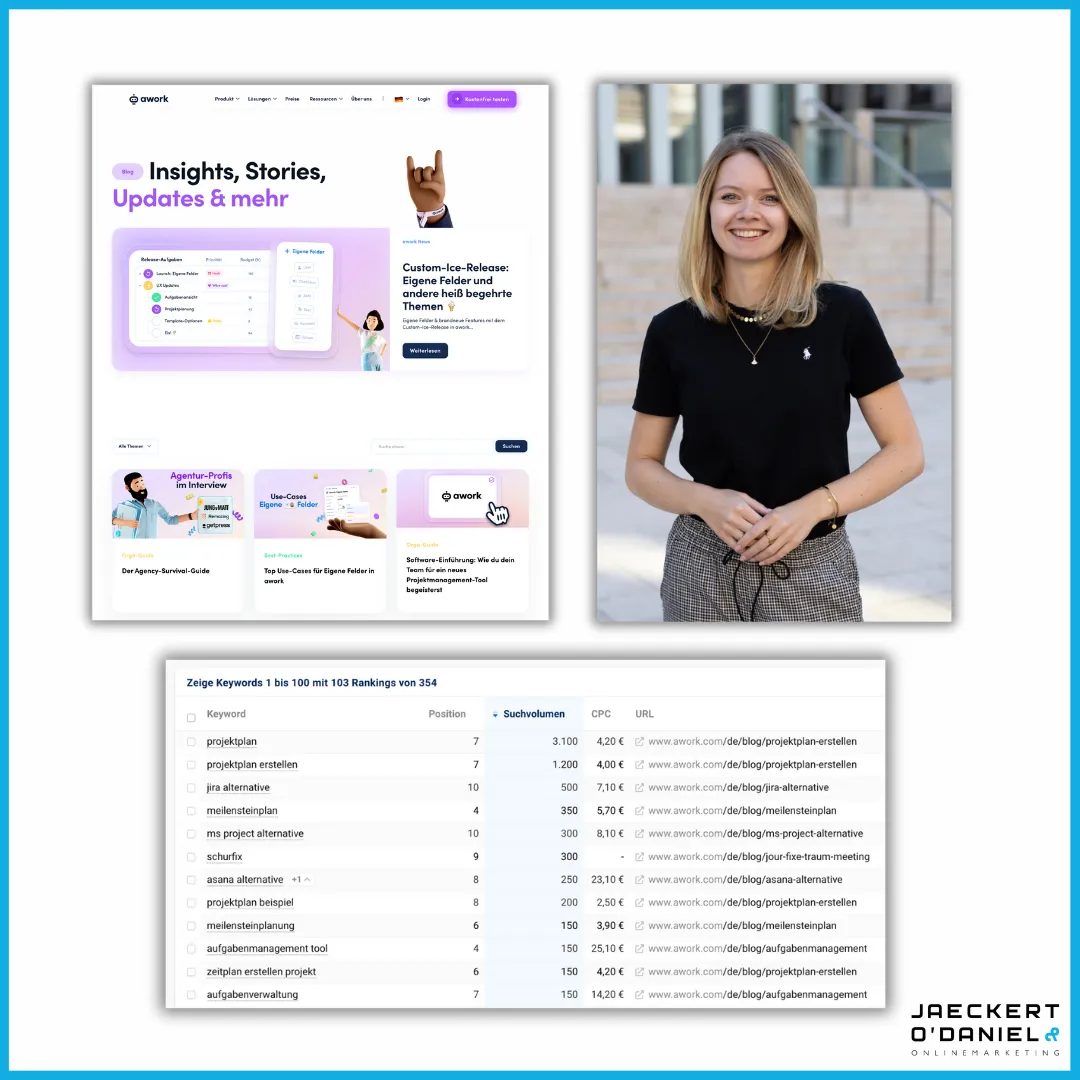
How the SaaS startup awork builds its SEO visibility: interview with Ayla Grzegowski


What does an online shop need in order to rank successfully? Interview with Stefan Vorwerk
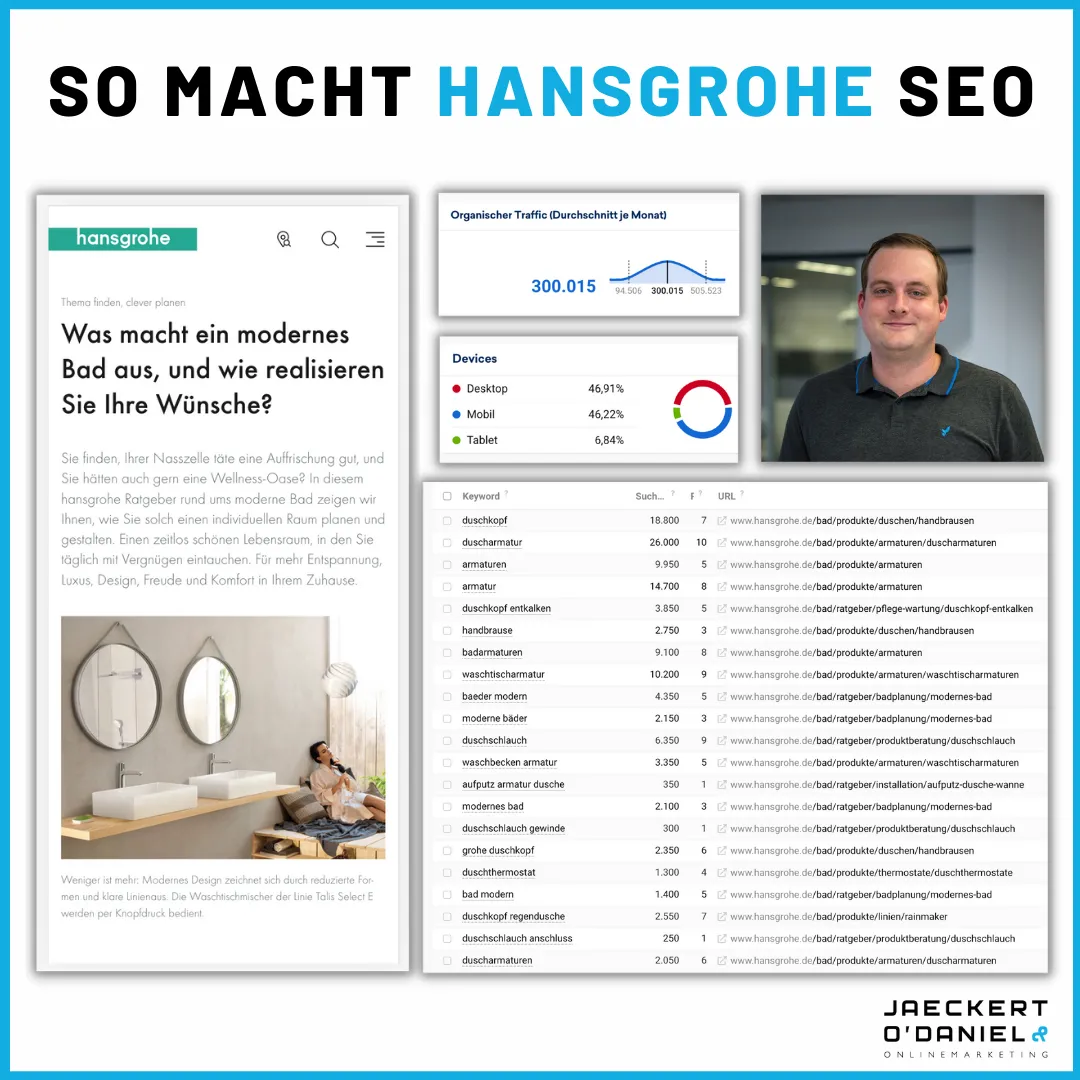
How Hansgrohe does SEO in 40 countries: interview with Jörg Niethammer
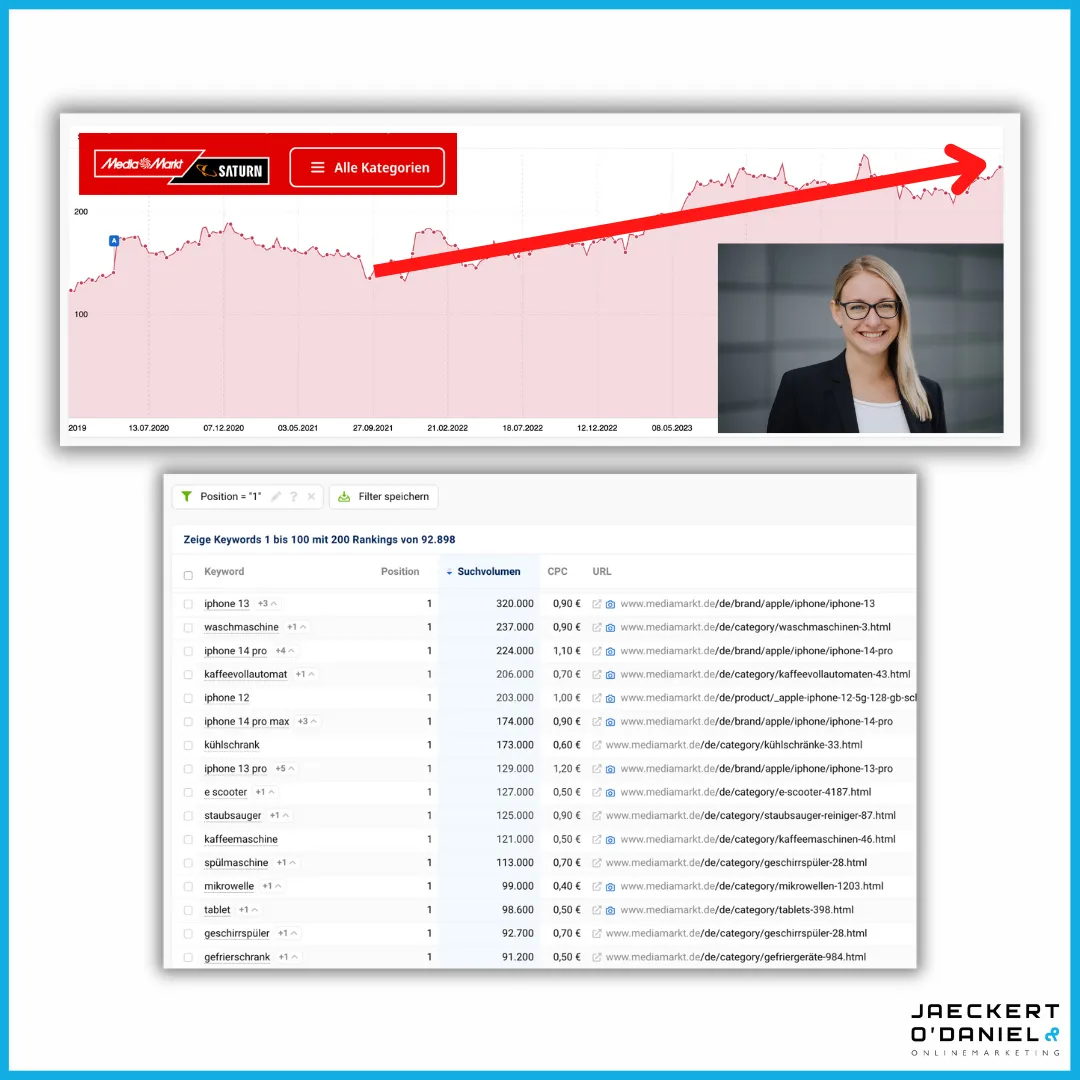

SEO for software companies: interview with Lisa Karasch