March 29, 2021Fabian Jaeckert
Passage Ranking: Who Benefits, and How. Interview with Alexander Rus
What is passage ranking? And how does the new Google update affect rankings? We talk about that with Alexander Rus. Alexander is an SEO with a real passion for the details and the mechanisms of the algorithm.
We talk about examples of passage ranking, about the consequences for content production, and about how you measure and optimize it.
A clear statement from Alexander: every company that relies on in-depth content and addresses users’ questions benefits. Because individual passages of this long-form content now have a much better chance of ranking.

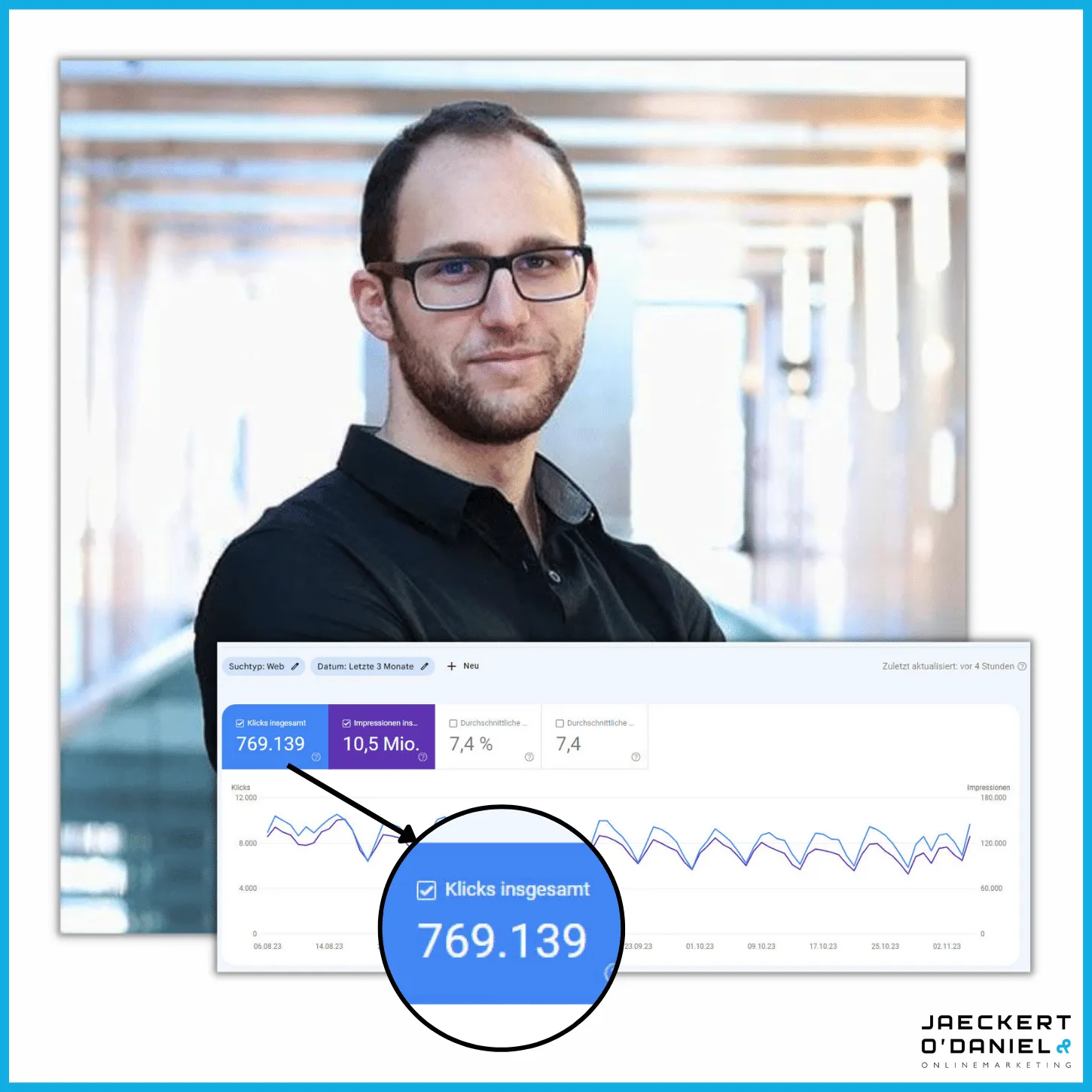
Our interview guest: Alexander Rus
Alexander Rus is founder and managing director of Evergreen Media. For many years he has worked on SEO in depth.
A personal parallel with Fabian: Alexander also knows the techniques from the gray area of SEO. Like us, he has committed to white hat SEO, in order to generate entrepreneurially sustainable results for his clients.
Alexander Rus also shares many of his findings on his YouTube channel.
Link tips from the episode:
Passage-based ranking: three questions, answered briefly and simply
What is passage-based ranking?
Passage-based ranking is a Google algorithm update. The aim of the update is to answer search queries even better. For that, individual passages of a longer text can enter the rankings and achieve top rankings. For example for a long-tail search query.
What content do I need for passage-based ranking?
One piece of content can rank for hundreds or even thousands of terms. The basis for that is solid keyword research and working through the questions users type into the search engine. Extensive, holistic content has a good chance of earning many passage rankings.
How is passage ranking visible in the search results?
According to Google, passage-based ranking is a “blue links feature”. It therefore concerns the classic ten blue links, or search results. That separates it, at least according to Google’s official statements, from featured snippets and from other feature boxes that are now often displayed.
SEO tips, strategies, webinars – via our mailing list


Did you find the interview with Alexander Rus interesting? Then listen in here

SEO as a growth strategy: interview with Kevin Indig

SEO for a software company: interview with Beat Köck

SEO case study: how Urlaubsguru works – interview with Sascha Blank

Are you relevant enough for Google? Interview with Olaf Kopp on the entity model

The SEO strategy of Reishunger.de: interview with Benni Uhlmann

WordPress SEO: interview with Kai Spriestersbach

The art of crawling: interview with SEO Markus Hövener

Search intent: what makes your users tick? Interview with Johannes Beus of Sistrix