August 14, 2017Fabian Jaeckert
What Is High Performance Content?
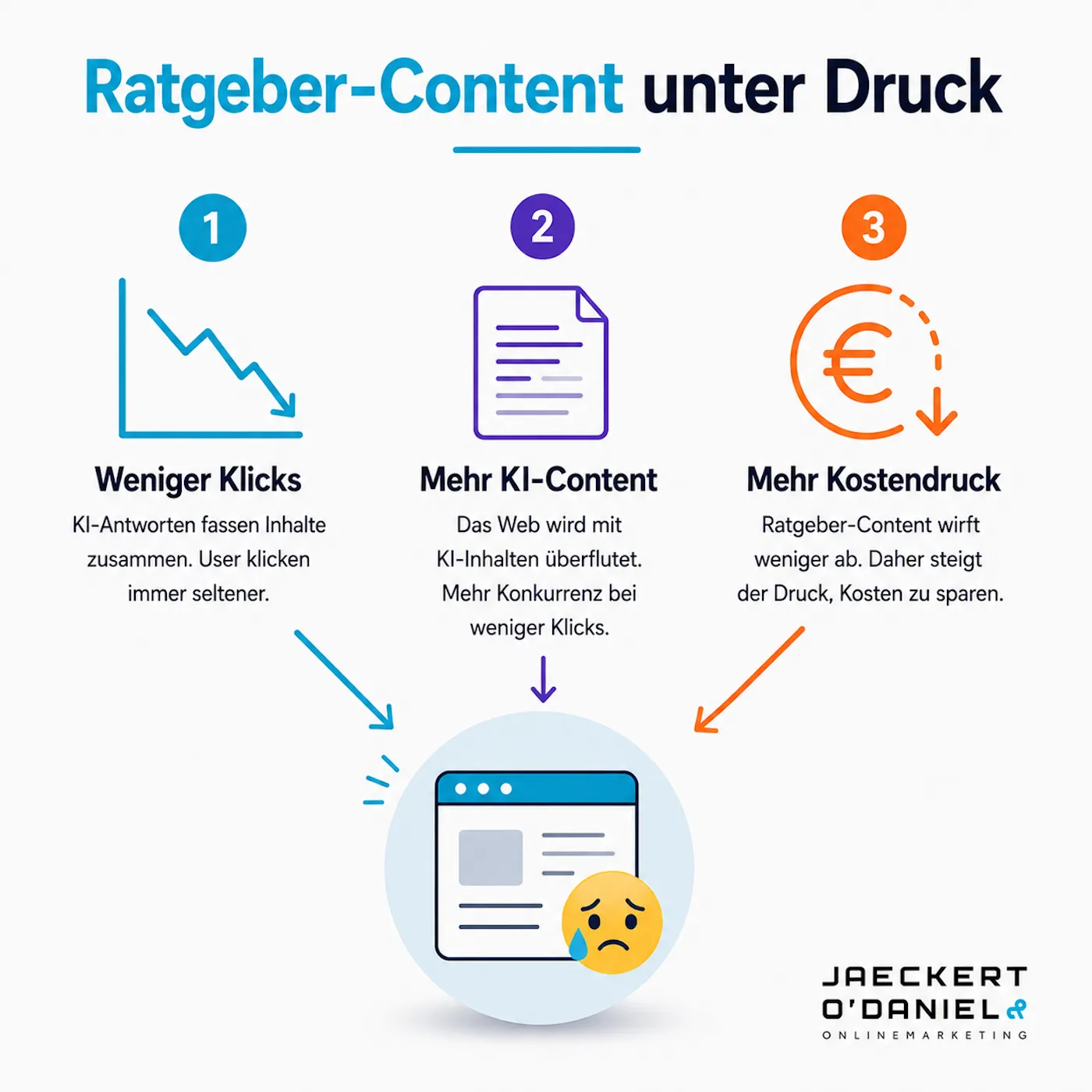
Content marketing has seen a real hype in recent years. A great many companies have developed useful content outside their product worlds. By now, though, disillusionment often sets in. A central sticking point: the content triggers too little.
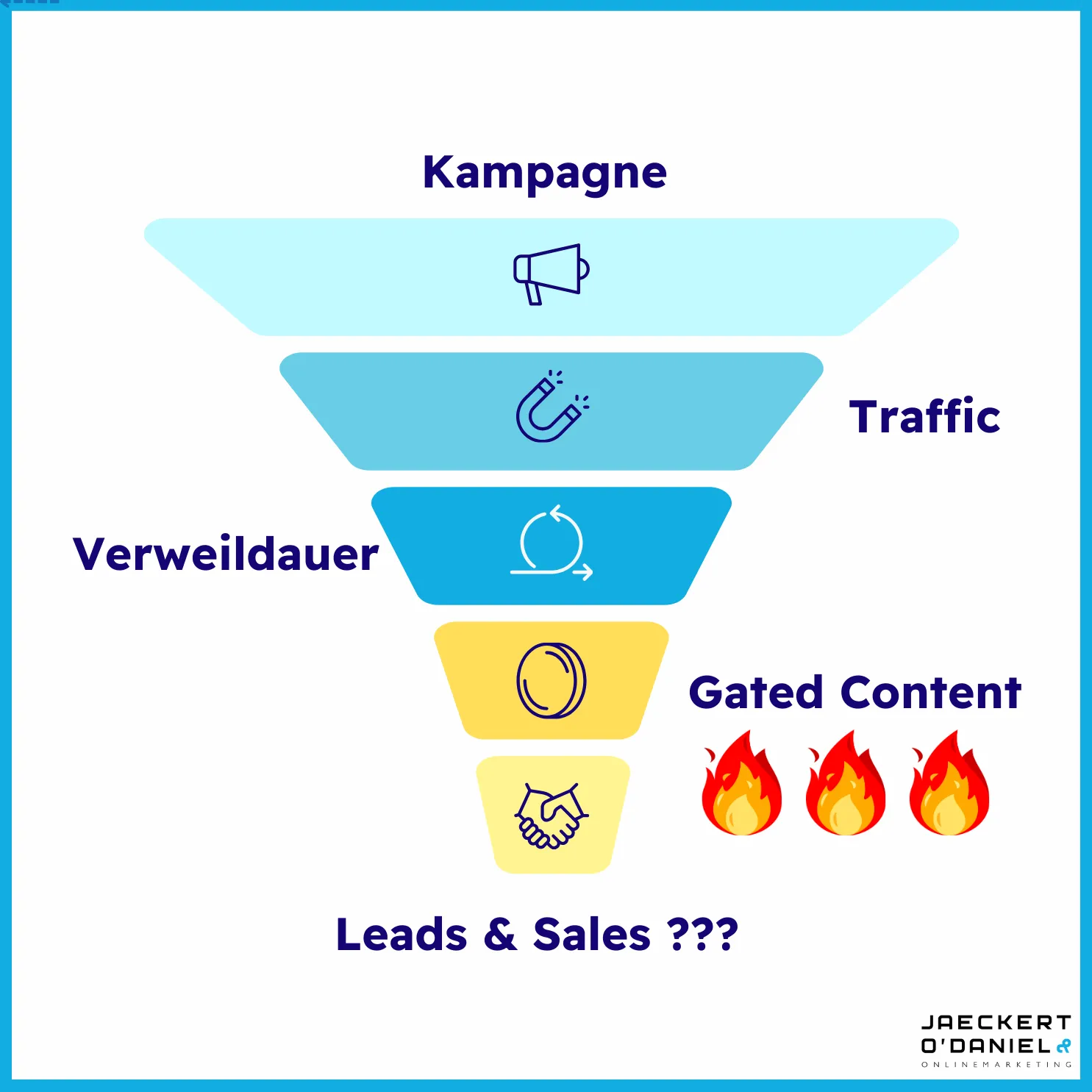
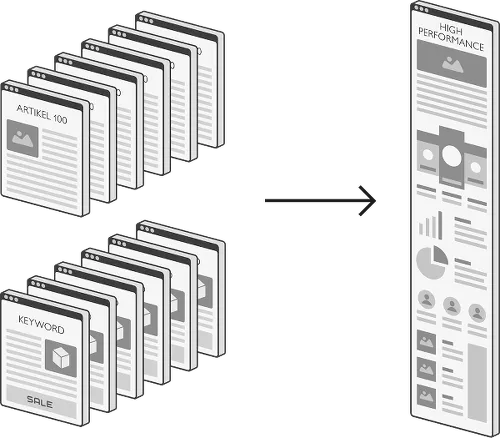
How do you do it differently? High Performance Content combines two goals. On the one hand, search engine optimization. Meaning top positions in the search engines and, with that, a continuous stream of visitors. On the other hand, the highest possible interaction, for example through a long dwell time and targeted conversions.
By the way: we show the system we use to develop High Performance Content in our SEO Academy.
The starting point: why do we need a new view of content?
SEO texts, no thanks
In search engine optimization it was, and still is, common to buy as many texts as possible as cheaply as possible. Texts are produced for a few euros and afterwards stuffed with keywords. Unfortunately, nobody wants to read that anymore. And Google itself, in the form of numerous core updates, has tightened the reins more and more. The search results at the top are supposed to contain high-quality content, so that the user is satisfied too. We welcome this move toward quality. Our approach: how do we create the best result for a search query?
Content marketing: what does it deliver
Many companies invest in content marketing. From glossaries to blog articles to SEO landing pages. Sooner or later, though, the question comes up of what the content work actually delivers. Clear, measurable goals are often missing. The strength of search engine optimization often gets too little attention here. Hardly any tools are in use, no in-depth web analysis takes place, and so there are only “perceived” successes or failures. Content is a central lever in marketing and in sales. But you do need a performance aspect, in the sense of measurability.
High Performance Content builds bridges
With High Performance Content, several disciplines come together that for a long time had little to do with each other. On one side: SEO and online marketing. On the other side, the world of copywriting, meaning advertising copy that is devoted to customers and their questions and needs. And web development as well, which often delivers stylish results but has weaknesses in dealing with content.
The goal: create the best result for a search query, for the search engines and for the visitors at the same time. That is not a contradiction. Because if a user is satisfied with a Google result, the search engine itself registers that too, among other things through values such as click rates, bounce rates, and more.
The content genres themselves also emerge from the concrete searches: for some results, videos are at the top, for others graphics, and for still others pure text results. The content is adapted to the search results.
And the content layout almost always needs a new coat of paint too. Pure walls of text put users off. Yes, that is work. On the other hand, that is how a content template and a consistent style across the whole website come into being.

We show how we develop High Performance Content
We ourselves developed the term “High Performance Content”. It grew out of our work together. Fabian Jaeckert is a search engine optimizer, web developer, and online marketer. Benjamin O’Daniel is a trained editor and copywriter.
For several years we have been developing High Performance Content specifically for companies. As SEO consultants we usually develop an SEO strategy first, and then a content roadmap, a content template, or several pieces of High Performance Content.
That is how the people in charge at companies learn how you create high-quality content, according to a clear system, with measurable goals, and a high chance of top rankings.
We often work directly with the management, or with heads of sales and marketing and their staff. Here are some references. We are also glad to show you examples in a personal Zoom call.

We develop SEO and content as one piece: Benjamin O’Daniel and Fabian Jaeckert.
Learn SEO from practiceOur understanding of content performance
Performance factor: ranking
High Performance Content contributes noticeably to the ranking, and delivers visitors to you on an ongoing basis. High-quality content that at the same time meets technical SEO requirements is the basis for top positions.
Performance factor: conversions
High Performance Content systematically achieves more completions. Whether newsletter sign-ups, contact forms, or sales, the content achieves a measurable effect.
A positive cost-benefit ratio (ROI)
Many companies invest in content. But what delivers how much? That is where High Performance Content comes in. The goal is to achieve as much traffic and as many conversions as possible with a manageable number of content pages.
High Performance Content: examples in our live webinars

Key points on the podcast episode about High Performance Content
Starting point
- Old SEO texts and keyword content no longer work
- SEOs need excellent content
- From the Google snippet to holistic content
- SEOs need editors who understand SEO
- An abstract strategy on its own does not help much
- Many invest in content, but without clear goals
- Especially common in blog marketing and content marketing
- Often a “classic” way of thinking from print and PR
What High Performance Content is
- Often an SEO concept first
- SEO and content strategy
- Roadmap for creating content
- Creation of High Performance Content
- SEO analysis, interviews, copywriting
- Advice on implementation, structure, and design
- In collaboration with the people responsible for the CMS and with design
Advantages of High Performance Content
- Strategy and implementation in one
- For a better ranking
- For more conversions
- For Google Ads
- For sales conversations
- For social media
- Clearly measurable ROI
- An all-purpose tool in online marketing
Working with clients
- Delivery and billing per piece
- No long-term contracts
- Personal support
- Workshop and mentoring
For your next drive: learn more in these podcast episodes
Corporate blogs in a dead end
Many companies rely on blogs as a content marketing instrument. Disillusionment is setting in, partly because most blogs barely reach top rankings and therefore reach no visitors. What are the alternatives?
Effective content marketing
In content marketing there are very different currents, and that creates a lot of uncertainty. We talk about the different “schools” from PR and marketing and explain our approach.
Heatmaps & Recordings
Creating content is the first step. The next step is the question: how do visitors behave on the website? There are tools that record and visualize visitor behavior. Using an example, we explain how you can increase dwell time, for instance.
SEO Traffic vs. Social Traffic
Search engines and social media are two completely different worlds. Both need the right content and suitable goals. We compare the two channels and explain how you can use that for your own content marketing.