January 23, 2023Benjamin O’Daniel
How We Develop Content Formats with Trainee Online Editors
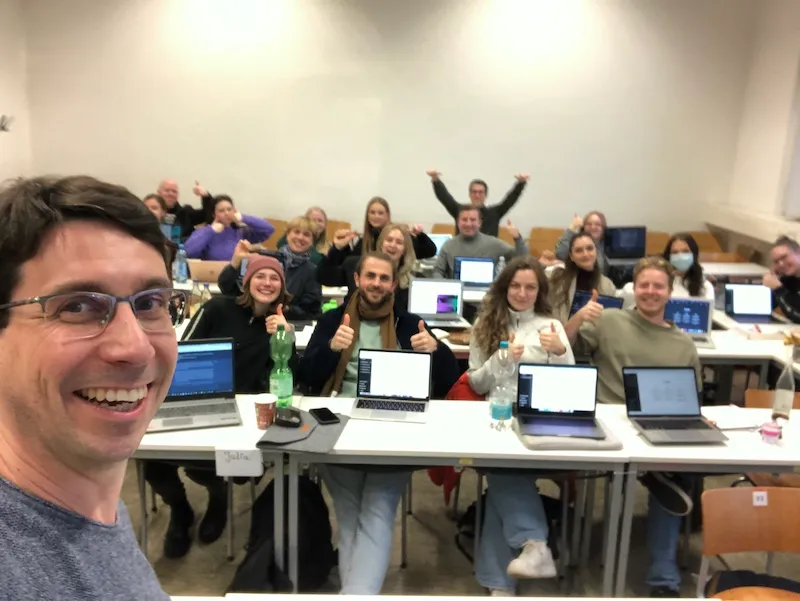
For many years we have also been active in teaching. Once a year, Benjamin gives a seminar on content marketing at TH Köln in the Online Editing degree program.
In the seminar, Benjamin develops professional content formats with the trainee online editors. From a rough idea through to a professional pitch presentation.
In the current episode, Benjamin reports on his impressions from the seminar:
- What “good content” means for the young generation
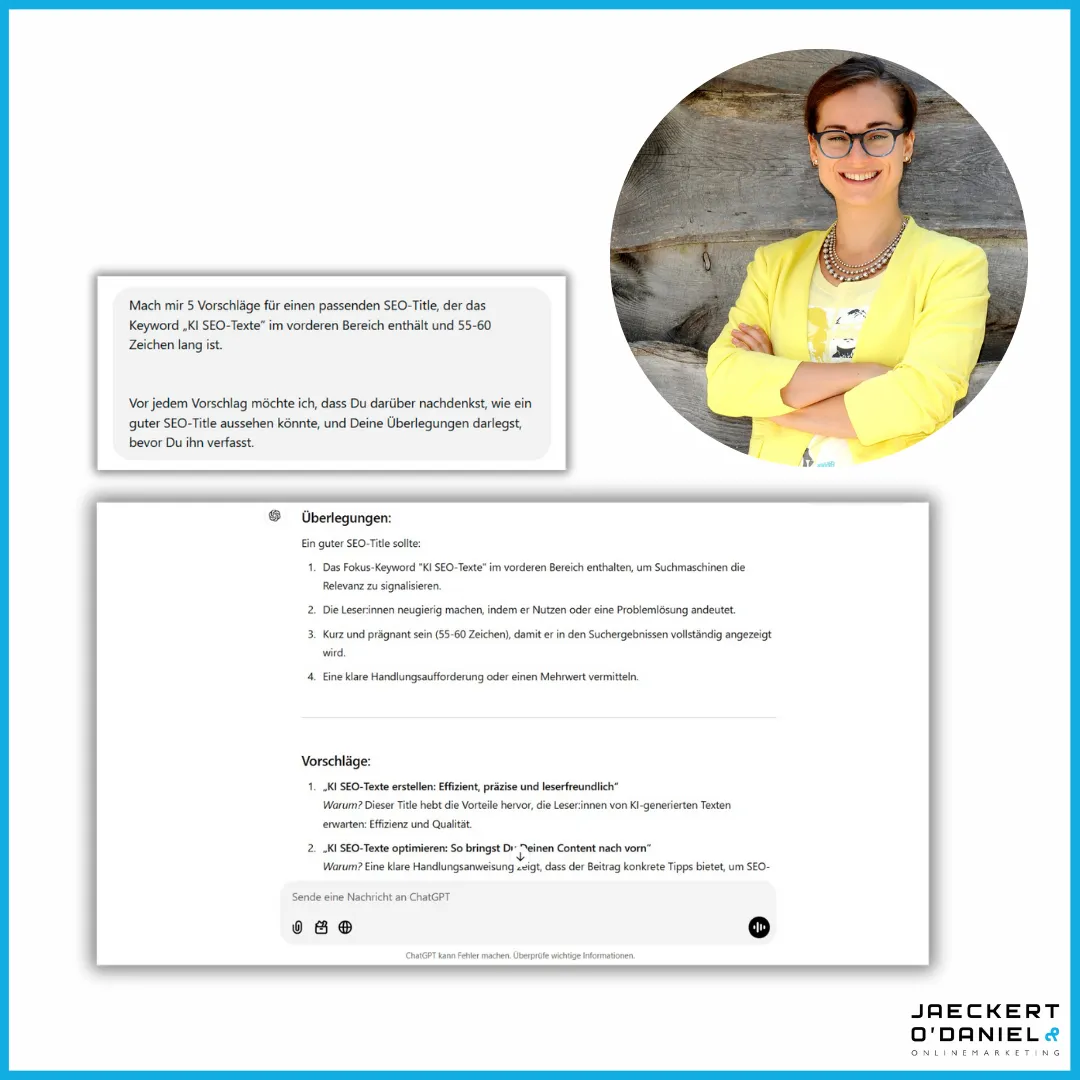
- How he tested ChatGPT together with the group
- How he evaluates and optimizes his seminar
A somewhat different episode than usual. But, as always, with a lot of information for content, SEO, and marketing professionals.
What is a good content format?
Every year in advance, Benjamin asks what “good content” is for the students, and he asks them for examples. That way he gets around 50 answers, which he clusters and builds into his presentations.
What he has noticed in the answers for years:
- The attention market is completely fragmented. Hardly any influencer is named more than once. Often, people follow several influencers around one area of interest.
- It is quite different with journalistic media offerings: here, a great many students name the Funk content network as their main medium. Both the main channel on Instagram and individual shows such as Mädelsabende, MrWissen2Go, and many more.
- Classic media offerings, such as shows from linear television, have not been mentioned even once for years.
Among the channels, these clearly dominate:
- TikTok
- YouTube
Google is used when something is searched for specifically. Facebook has not been named even once in the last three cohorts. Platforms such as Snapchat and Pinterest are more of a marginal phenomenon by now.
A successful content format has to meet the following aspects for the young generation:
- They need a basic interest in the topic (outdoor, martial arts, fashion, cooking, but also special interest such as diving in Hawaii).
- The added value has to be clearly recognizable (information, entertainment, learning something).
- The format needs a coherent look. Visuals are very important.
- A personal connection, or identification, with the presenters of the show or the format.
- Communication at eye level through active community management.
- All platform-specific features should be used.
A pretty high standard, and yet the reality. Publishers, organizations, and companies can conclude from this that they should invest a lot of work in the conception of their formats if they really want to build a lasting connection with their users.
In content marketing you clearly need a content strategy, a regular format, and people who are willing to be personally visible.
How did the ChatGPT test go?
An essential part of developing a content format: the topic brainstorming.
In the past we have used the 6-3-5 method, among other things, to generate as many ideas as possible in as short a time as possible. With one group this time, though, we tried a new path and tested ChatGPT.
Example: take the headlines of a successful channel in a topic area, and on that basis have ChatGPT develop further topics. Then evaluate the results, sort them anew, and enter them again.
It became clear very quickly, though, that the working group spontaneously tested the software for a great many applications, from research through to writing entire articles. We then discussed whether and when you can trust ChatGPT.
That confirms the impression we have also described here: users will use it for all kinds of topics and questions. No matter what the experts say about it. Here we compare ChatGPT and Google in more detail.
Deepen your SEO knowledge: every Monday by email

Our interviews with professionals in the industry

How user testing works: Interview with Astrid Kramer on UX and SEO

SEO as a growth strategy: Interview with Kevin Indig

SEO for a software company: Interview with Beat Köck

How Reishunger uses its SEO traffic: Interview with Benni Uhlmann

Community management in companies: Interview with Vivian Pein

How to build a successful startup: Interview with Johannes Kliesch
How do I become a personal brand without crude self-promotion? Interview with Kerstin Hoffmann
Stepstone's featured snippet strategy: Interview with Justus Ledig