June 24, 2024Benjamin O’Daniel
What Happens When Billions of Users Chat with AI Instead of Searching on Google?
Google is one of the most valuable companies in the world, and right now its core product is under attack: Google Search.
Because talking to a personal AI assistant is miles better than combing through search results. An assistant like that exists: it is the new voice assistant in the ChatGPT app.
Since OpenAI switched GPT-4o live, we have been testing the voice assistant, and we are impressed by the quality of the results. Starting from that, we discuss a thought experiment in our podcast episode:
What if billions of users moved over from Google to an AI assistant?
Enjoy our thought experiment. From our point of view, it could become reality quite soon.
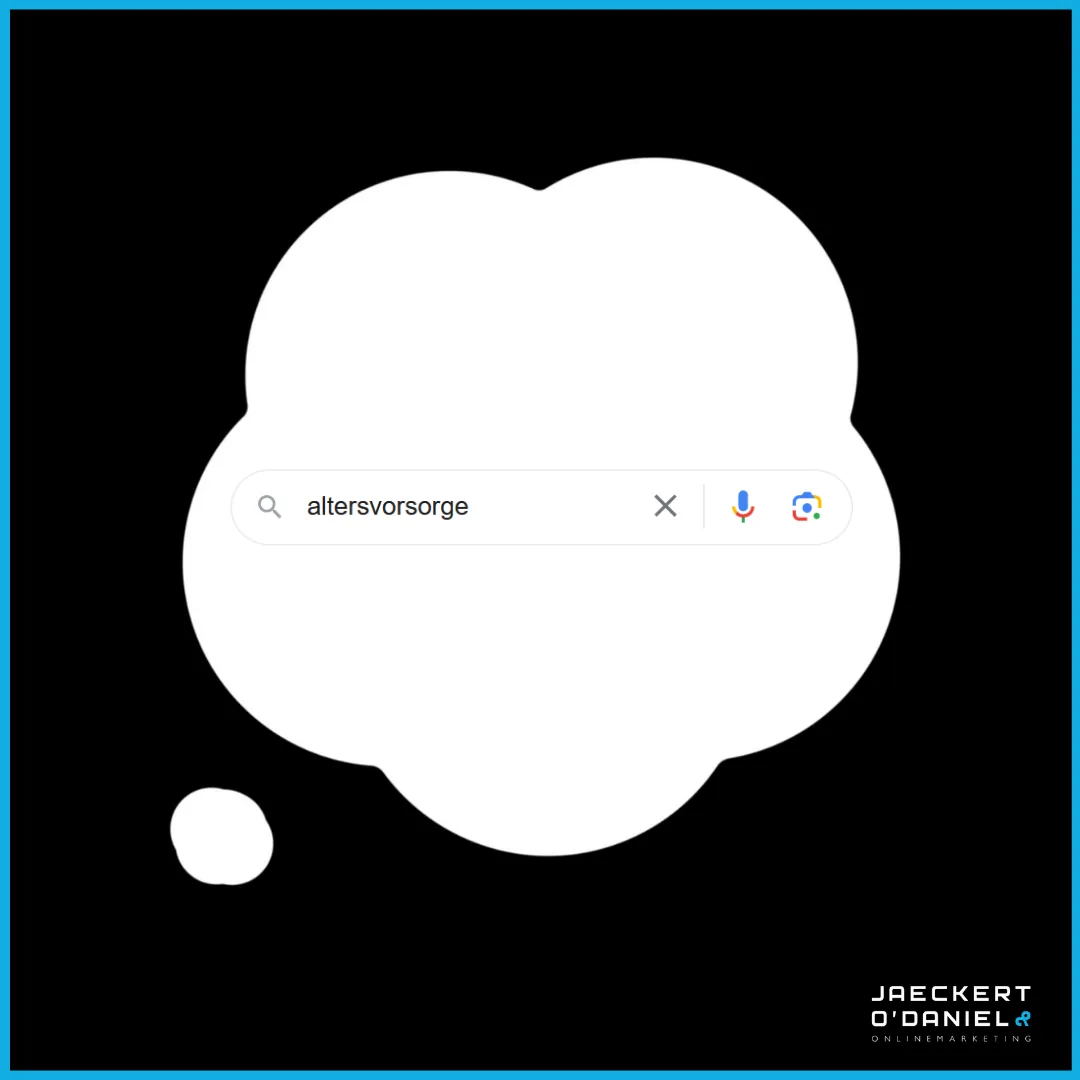
Here is an example of a conversation with AI
The example we also discuss in the podcast comes from the world of finance. It is about retirement provision and financial advice. We chose the example because there is a high search volume there, so a high level of demand, and many companies work on their SEO visibility in this area or, alternatively, run Google Ads at high click prices (see the chart from the SEO tool Sistrix).
Our query to the voice assistant is relatively complex: retirement provision in the context of self-employment and family, with a wish for advice. After a first introduction to the topic (about 2 minutes), we go deeper in the conversation toward advice, a typical topic where leads are at stake.
Interesting: what gets recommended here is above all bloggers and influencers, and not the usual companies. Maybe just a one-off, or a specific pattern. That remains to be found out.
In further conversations with the AI we went deep on individual topics or people, and here too we received numerous classifications and explanations.
And that in spoken language, without paying much attention to pronunciation. The AI can always follow the conversation, it does not drop out, and it still “remembers” the previous conversation several days later, even though we discussed numerous other topics in between.
A chat with AI is better than Google Search
Much more individual
In a typical search journey, users usually fire off a whole series of queries, from single terms through to complete questions. You dig through the search results, hoping to find good information. Here is an example of a customer journey like that in SEO. With an AI assistant you proceed differently: you describe your individual situation, and you are immediately much deeper and more precisely matched in the answers. The AI can grasp the question, process it, and respond to it individually. That means you start on a completely different level right away.
Like a real conversation
You go deeper on your topic in a completely natural way. The AI also remembers earlier conversations and picks up from there again. With a Google search you start over again and again. Often laborious work. Another advantage of voice control: your hands are free, and you can do other things in parallel. From our point of view it is also only a matter of time until the AI assistant can, for example, access email, accounts, and so on, and you can buy something or keep communicating directly through it.
No advertising
In the conversation with the AI, advertising is not shown a single time. Unlike Google, which has been expanding its ad space further and further for years. From our point of view, the ad-free experience in the AI assistant will stay that way: because the technology behind it is not controlled by a single company, the AI assistants that win will always be the ones that are ad-free. Showing an ad in the conversation would be a massive loss of UX quality. OpenAI earns its money differently too (with subscriptions and interfaces).
How quickly do users move away? Two scenarios
Slow
An old wisdom about innovation says: you overestimate the changes in the short term, and underestimate them in the long term. Ever since the internet has existed, new technologies have been praised to the skies, and existing solutions have been written off. But newspapers show: there is a decline. Yet it happens very slowly. Because whole generations grew up with them and keep reading on paper. The same is true of Google. Especially since the results on Google are often very helpful too. On top of that: in every project we support, Google is the strongest traffic source. It would be naive to simply push that aside now.
Fast
There is a lot to suggest that the disruption of search will happen very quickly. AI systems are currently moving into practically every application and device. A few examples: Apple is building ChatGPT into Siri (report). WhatsApp is integrating an AI chatbot (report). In the new Golf, voice control runs through ChatGPT (report). And Sam Altman of OpenAI? His great role model is the Hollywood film “her” (the cinema trailer is here). There, people no longer hold any devices in their hands at all. A small hardware box plus a good in-ear headphone is entirely enough. So if AI assistants prevail over classic search, it happens very quickly. Because AI is currently moving in everywhere.
Forecast: an extreme amount of “dark traffic”
We can already see in our web analytics that we get traffic from AI systems such as Perplexity, for example. Even so, the example in the video above makes it clear: users will inform themselves extensively with their AI assistants before they visit a website.
We think it is likely that traffic from classic search engines will decline. Not necessarily the relevance, though. Because inside the AI systems, users will keep informing themselves about topics and companies and looking for advice.
It is comparable to “dark traffic”, when website visitors can no longer be assigned to specific sources, because they arrive on a website from a WhatsApp link, for example. Except that traffic inside AI systems gets even darker. Because mentions of companies can no longer be traced.

AI strategy: for more visibility in AI systems
Technical base
Right now the public discussion runs strongly in the direction that AI systems should be excluded from websites. From our point of view that is not useful. For one thing, because all language models have long since ingested the entire internet. For another, because users will also expect their AI assistant to recognize offers from websites and process them further. So in the future it will be about serving interfaces. A topic we are currently working on with our SEO GPTs.
Content marketing and SEO
Many websites that are named by ChatGPT and other AI systems already rank at the top of Google for the relevant search terms. You can see that very clearly with Perplexity too, which often references websites from the top 5 or top 10 as sources alongside the AI result. Further organic channels are recognized in our example too, and taken as a criterion for the selection. Companies that invest in their organic visibility now have a very good chance of being named in AI systems as well.
For more organic visibility, in every system
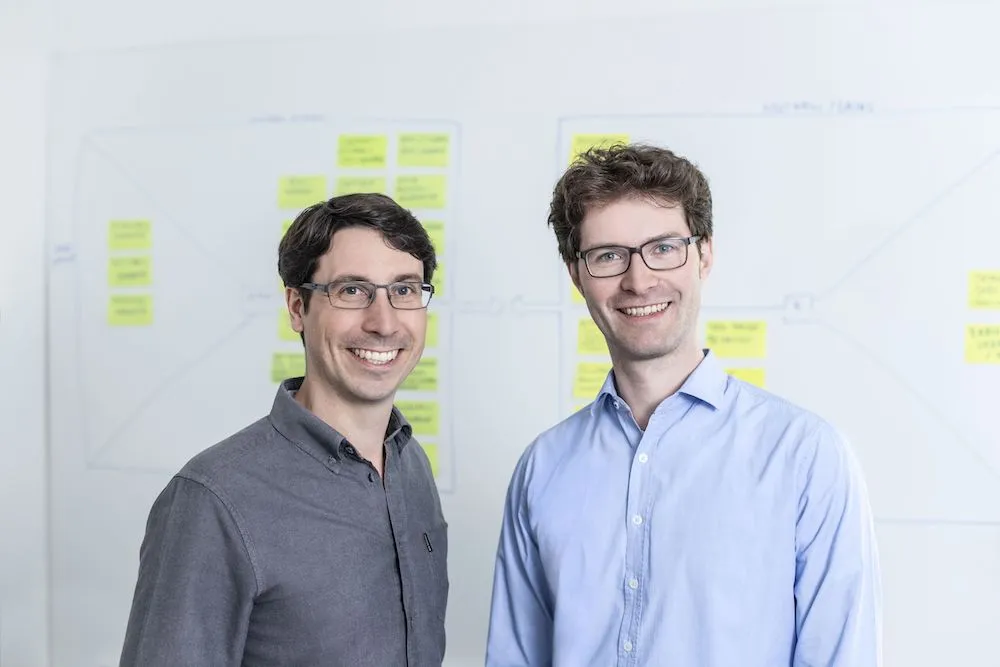
We are Fabian Jaeckert (on the right) and Benjamin O’Daniel. For many years we have worked as consultants for marketing teams. In doing so we connect two worlds: Fabian is the technical expert, Benjamin takes on every topic around content development.
For our online magazine, we had often approached SEO based on gut feeling until now. Now we wanted to professionalize it. Fabian and Benjamin, during an SEO sparring session, demonstrated our ranking potential and outlined the specific content adjustments required to enhance our rankings and boost our traffic. They showed us how to better integrate SEO into our daily editorial routine and within the team. Many thanks for the excellent online workshop and your valuable input for our SEO strategy.
 Jenny Ritter
“How can we improve our SEO visibility?” Today on Google, tomorrow perhaps already in AI systems?
These questions sit behind every project we are brought into. We develop SEO strategies for companies and present them in focus workshops, in a structured and understandable way, to the people responsible. Afterwards we support the in-house leads during implementation.
As a two-person consultancy we cover both the technical part and the content expertise. Exactly what you use to succeed in organic reach today and in the future too.
Sound interesting?
We can arrange an introductory SEO video call (30 min.).
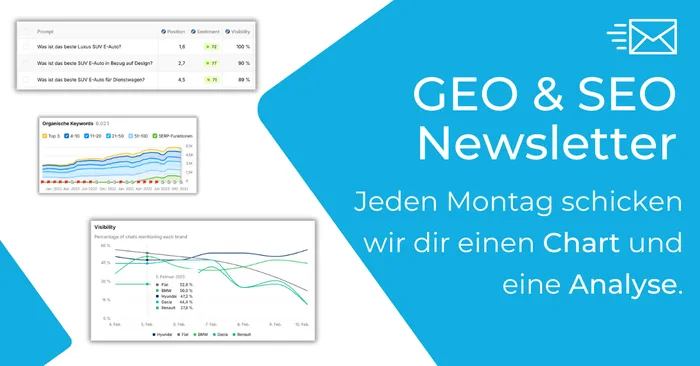
Deepen your SEO knowledge: every Monday by email
Our conversations with SEO professionals in the industry

SEO quality assurance: how to protect your rankings. Interview with Gianna Brachetti-Truskawa
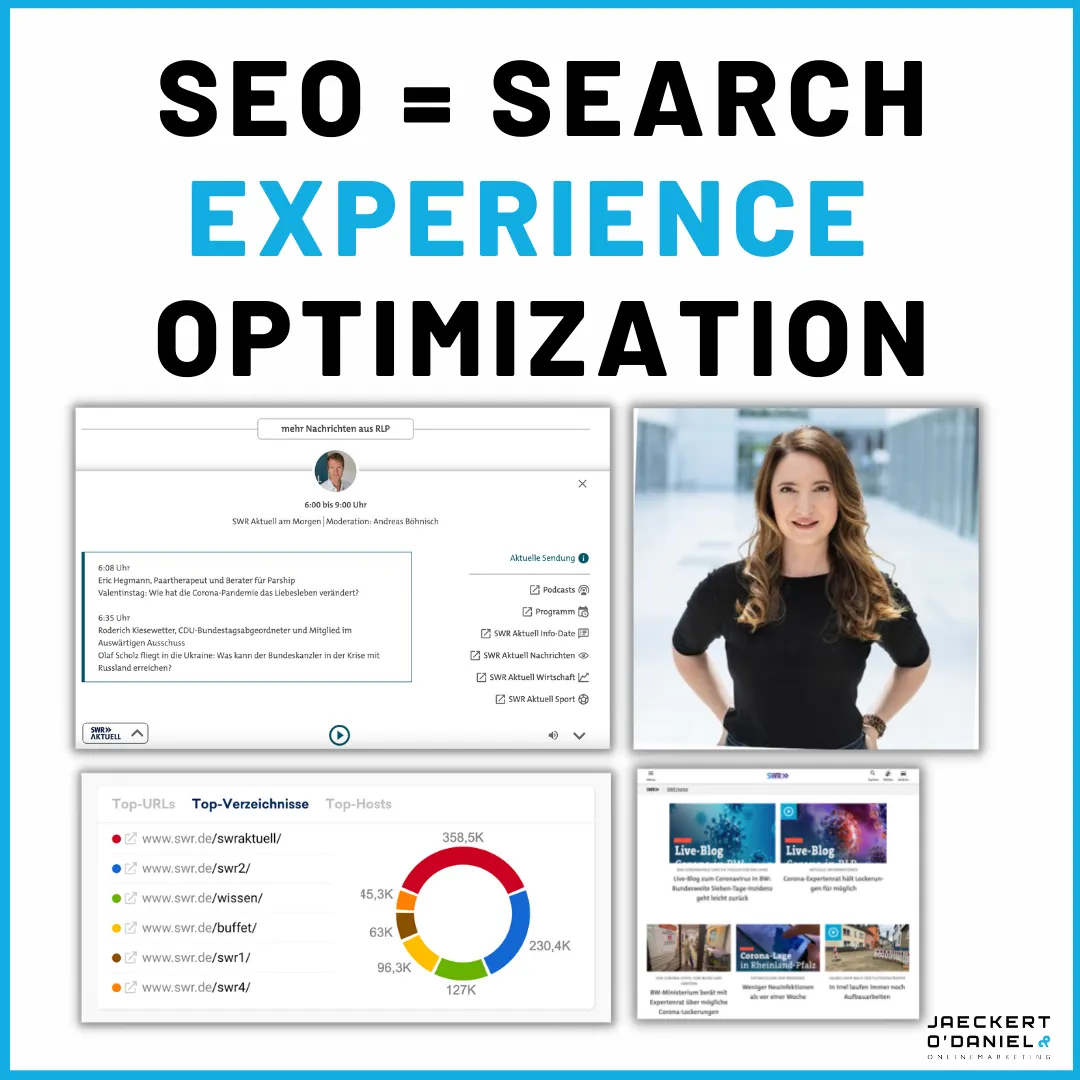
How Südwestrundfunk (SWR) works on search experience: Interview with Sarah Stein

SEO as a growth strategy: Interview with Kevin Indig

SEO for a software company: Interview with Beat Köck

What does an online shop need in order to rank successfully? Interview with Stefan Vorwerk
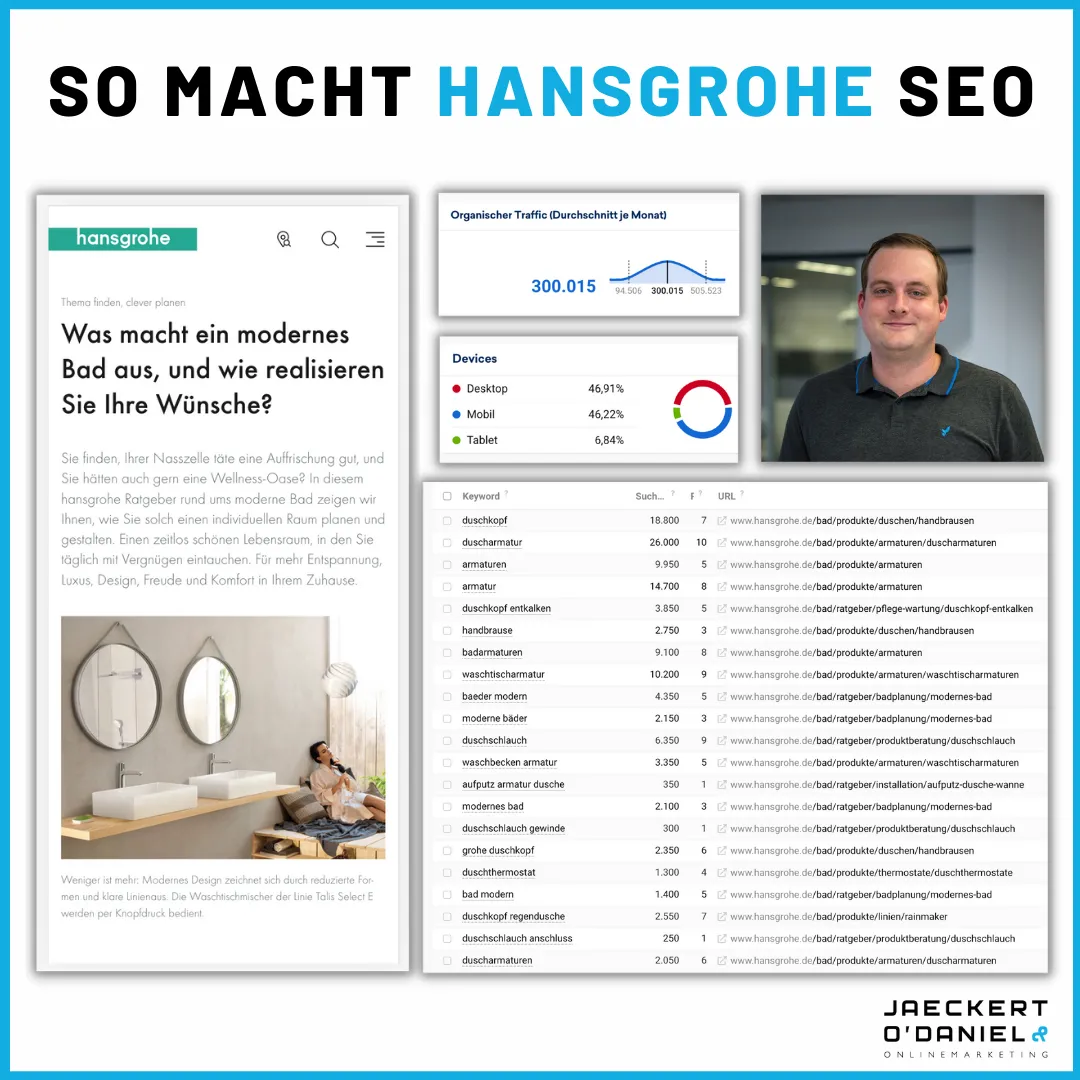
How Hansgrohe does SEO in 40 countries: Interview with Jörg Niethammer
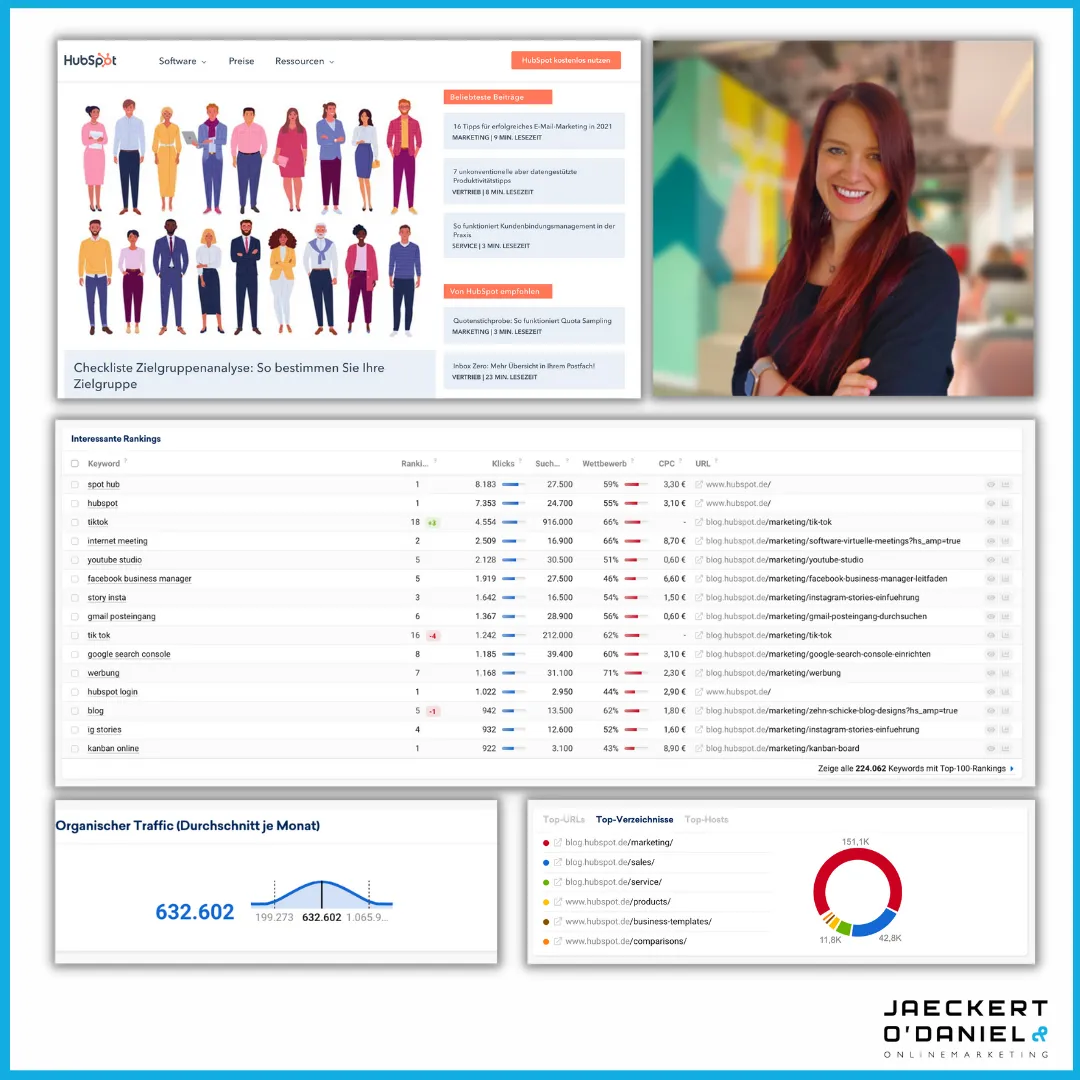
The SEO strategy of Hubspot: Interview with Jenny Lapp

How user testing works: Interview with Astrid Kramer on UX and SEO