December 20, 2021Benjamin O’Daniel
Content Bundling: How to Bundle and Unbundle Content
Many companies produce endless content. Magazine articles, social media posts, newsletters, and much more.
What gets completely overlooked: you can also bundle and unbundle all of this content, and in that way develop new, high-quality content formats with little effort.
That does take new processes, though, and above all a change in thinking. It is not only about producing new content. It is about rethinking existing content and using it in a modular way.
Our impression: this approach is, at least in Germany, established in practically no company. Even in companies with a content marketing and SEO strategy.
We talk about that in the current podcast episode and on this page, using examples.
An example of unbundling content
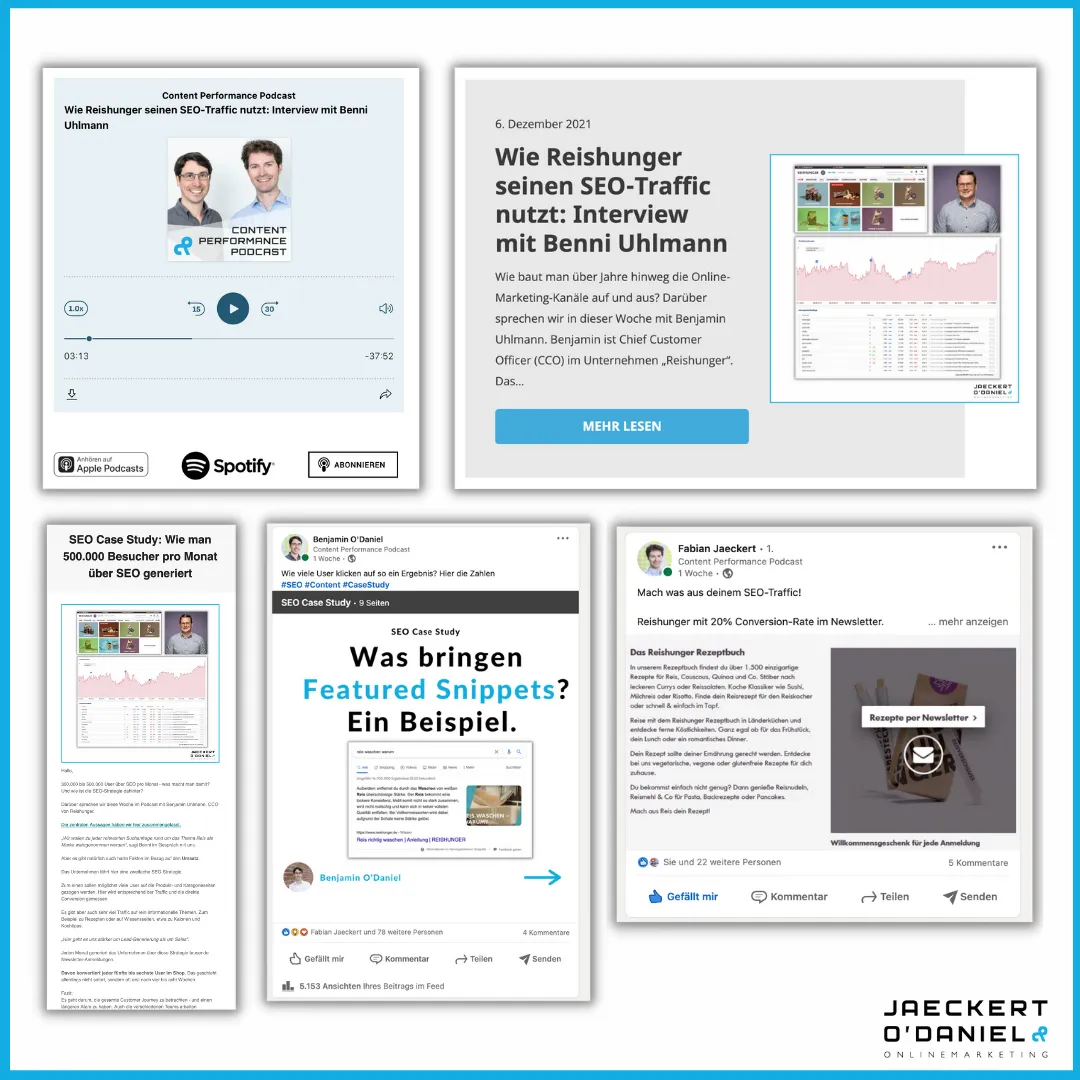
Every week we publish a podcast episode. In those 30 minutes we discuss many topics in detail. That includes this interview, which was published recently.
From the podcast episode we develop further content formats.
For example, we pull out individual aspects and publish LinkedIn posts about them, such as this slideshow on LinkedIn. We used an existing long-form content format to develop micro content for another platform.
We develop topics centrally, and then produce content formats that fit the respective platform.
Important: we do not see each platform only as a distribution channel. We see it as its own universe, for which we develop content.
We do not use LinkedIn as a “link cannon” or as a channel for teasers. We develop useful content for the users there.
For each platform we work with content templates. In principle, we know how we fill the respective content format.
Of course this work takes effort. But the topic is thought through, and the conceptual foundation is laid.
Many discussions that arise on LinkedIn under our posts, we in turn build into our website articles. That is what we mean by content distribution. At the same time, this first-hand experience approach makes the articles unique.
An example of bundling content anew
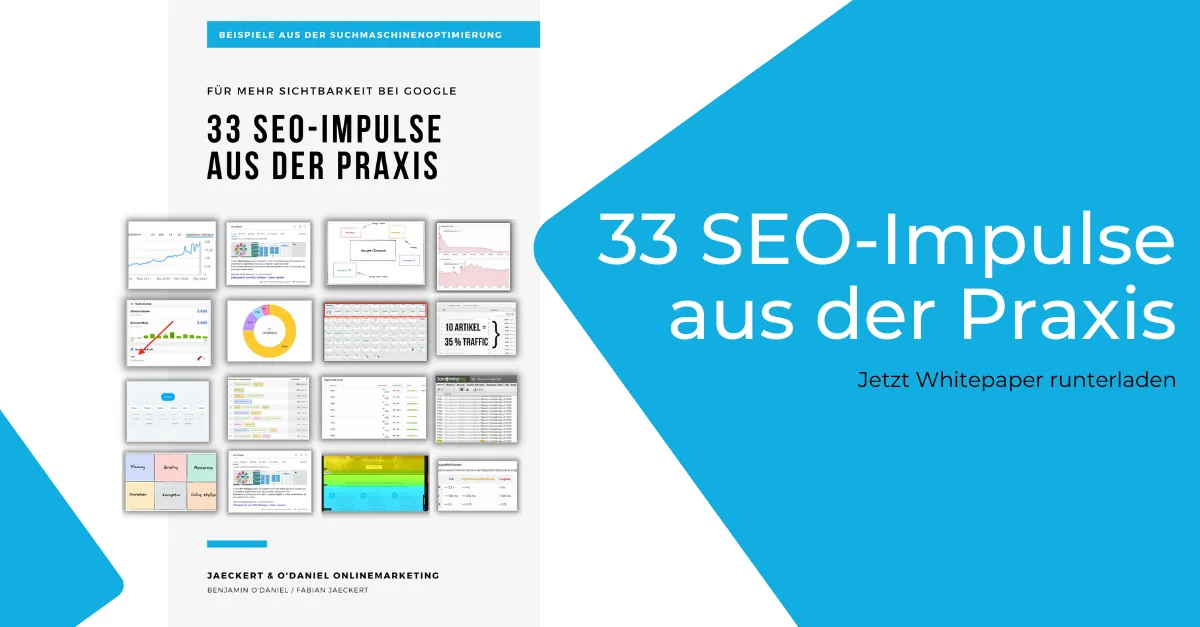
A few weeks ago we published a new white paper. For the white paper we went through our LinkedIn posts from 2021. We collected the posts with the greatest engagement and put together a best-of from them.
We rearranged the 33 best posts, adapted them slightly, and turned them into a white paper (by the way: the white paper is available here). We created an entirely new content format. With little effort, because the content had already been developed for another channel.
On top of that, it is demonstrably good content. Because we only took the posts that also triggered many reactions.
Another example: on the magazine pages of our website we also bundle the content formats published on the various platforms. Screenshots, videos, and LinkedIn posts of ours then sit together on one page.
Bundling and unbundling content: 3 common hurdles
High workload
In most companies, from our point of view, there are far too few content specialists. Often a few marketing managers look after the website and the channels. It is no surprise, then, if most of them shy away at first from producing even more content. But: content formats assembled in this way cost far fewer resources in comparison. One approach is to reduce the basic output of new content, and instead plan in content bundling and unbundling.
Workflows from publishing
Content marketing has very strong roots in corporate publishing and in journalism. That often means the processes of the classic media world have been adopted. And at their core those processes are set up to keep developing new content, and not to bother with further reuse. It is simply about news. Many companies have adopted that principle, as you can often see in content planning too.
Negative associations
What we discuss here as bundling and unbundling content is often called “content recycling” in content marketing. The people who coined these terms are, without doubt, recognized experts. Still, we find this term a little unfortunate. Because recycling destroys something. That is not the case here. A term like “content repurposing” also points the wrong way. Because purpose marketing, put simply, is about showing convictions and a stance.
SEO and content strategies from practice: our podcast interviews



SEO for a software company: interview with Beat Köck

What makes a good B2B influencer? Interview with Arian Ruß

How to build a successful startup: interview with Johannes Kliesch

How do I become a personal brand without crude advertising for myself? Interview with Kerstin Hoffmann