
Skip to content

February 3, 2025Benjamin O’Daniel

Hubspot's SEO Crash: The End of an Era?

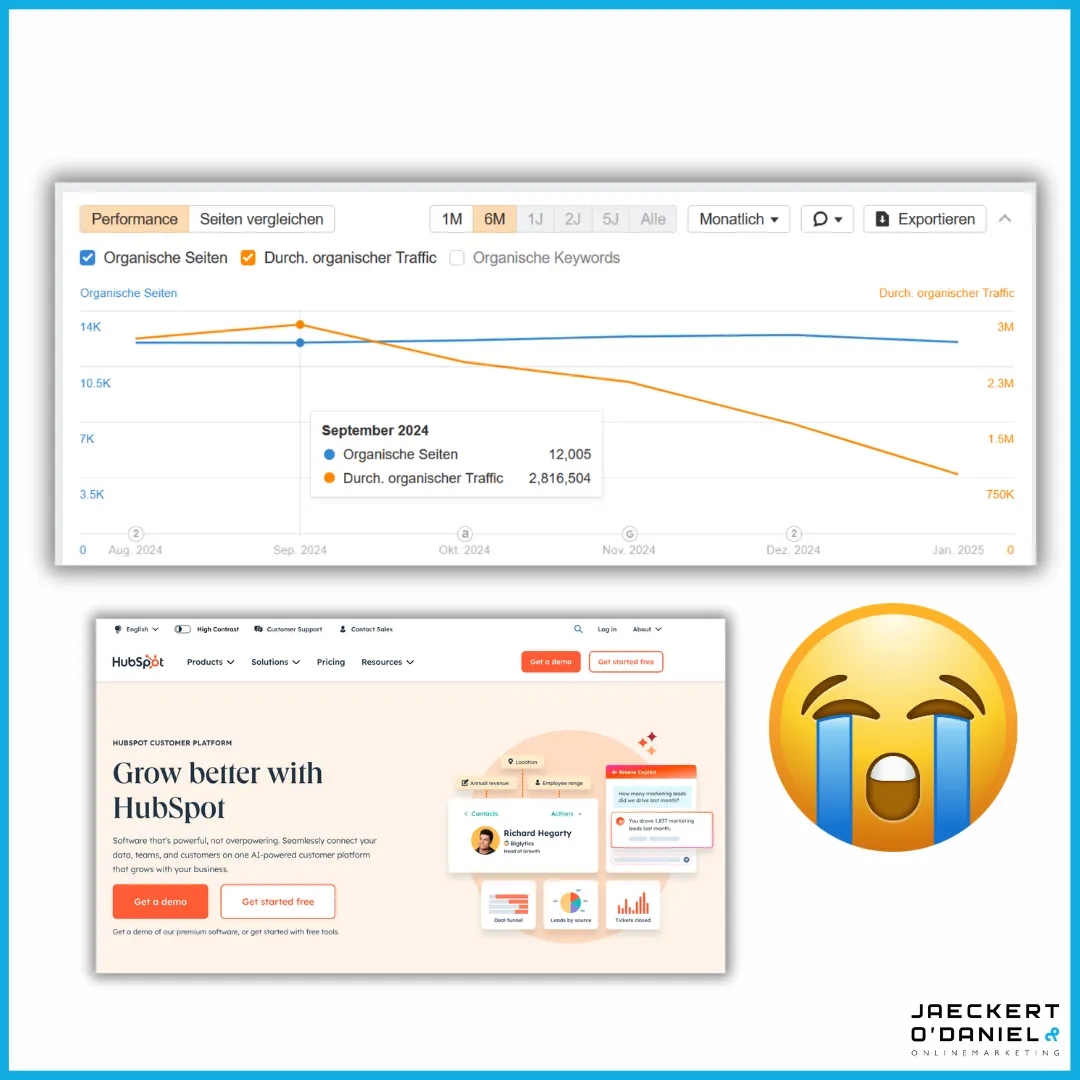
From 2.8 million visitors to 800,000 visitors a month: that is Hubspot’s SEO development over the last half year. A severe crash, bitter for the SEO team there, and much discussed in the SEO world. After all, Hubspot was a best case for many years. Many people responsible for SEO aligned their own strategy with it.

But what are the reasons for this crash? What is changing at Google right now? And do companies need a new SEO playbook? Here we discuss the playbook, the various theses, and put forward a thesis of our own.

Hubspot SEO traffic decline

Hubspot’s SEO playbook

Hubspot scaled the “content game” over years. Meaning: the SEO and content team published a great many guide articles over the years. The SEO tool ahrefs lists 13,000 URLs in the blog. The articles were localized through country-specific teams.

The articles are written very comprehensively and optimized at the highest level. From keyword strategy through structure to internal linking, every common SEO method was applied in the articles. It is therefore not surprising that tens of thousands of these articles were very successful in the Google ranking.

In Germany, only very few companies run scaled content processes like these. Many companies are set up very traditionally, with small marketing teams and very modest budgets outside classic advertising. Even innovative people responsible for SEO at brand companies wear themselves out against entrenched structures around the production and approval of articles.

Hubspot, by contrast, used this scaled SEO and content strategy for growth and to build brand dominance. With success: many companies use Hubspot today because the company was practically omnipresent. Until about half a year ago the SEO rankings went steeply downhill.

Hubspot SEO traffic decline

Two theses on the crash that we do not find conclusive

Some SEO experts suspect that Hubspot is poaching in foreign topic areas. That marketing discusses topics for which the website and the company are not actually an authority and have no relevance. This exploitation of “domain authority” is everyday practice in SEO.

As a striking example, an article about the “shrug emoji” is named, and articles on famous quotes. If you look more closely, though, that is only a fraction of the articles. Moreover, the quotes, for example, often also have a business background, such as the most famous quotes in marketing and sales. That is top-of-the-funnel content, but not off-topic. We see off-topic more when, for example, an IT website writes about health topics (which also happens).

The second suspicion suggests that the content is too short (“thin content”). Many articles are said to be no longer than a few hundred or one or two thousand words. Hubspot, however, lost rankings across the board and without exception. Many articles that were very comprehensive crashed as well. Especially since articles with several thousand words are anything but short. All of that speaks strongly for a sitewide reassessment. Analyzing individual URLs then makes no sense, or only leads you astray.

Hubspot keywords and URL decline

What is happening at Google right now?

Since the beginning of 2024, Google has been fighting very hard against the flood of AI in the search results. The cost of comprehensive content is in effect zero euros, if you look purely at the number of words. It is no great problem to write a comprehensive guide article with ChatGPT and optimize it for keywords. The language model falls back on its corpus and, put simply, generates a summary.

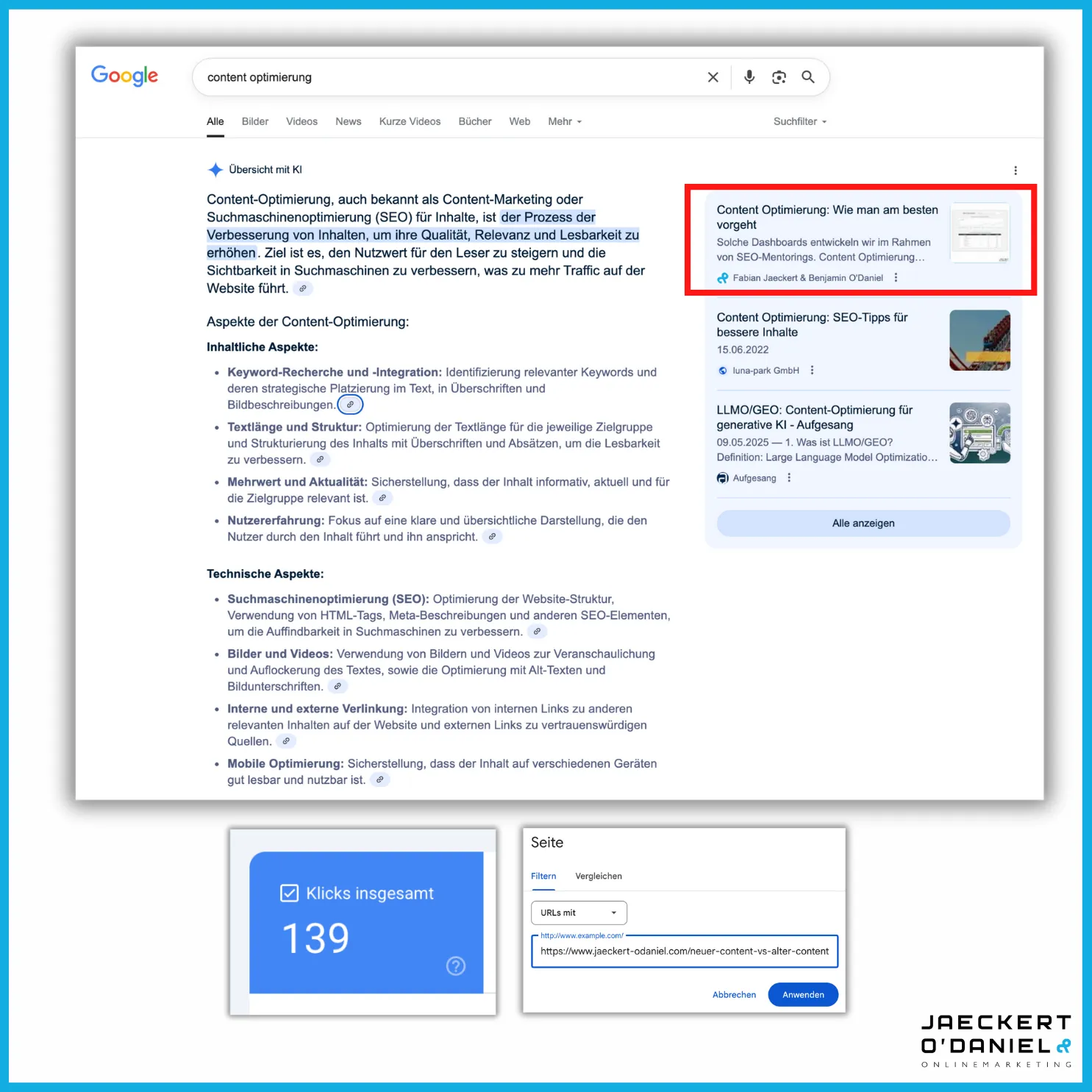
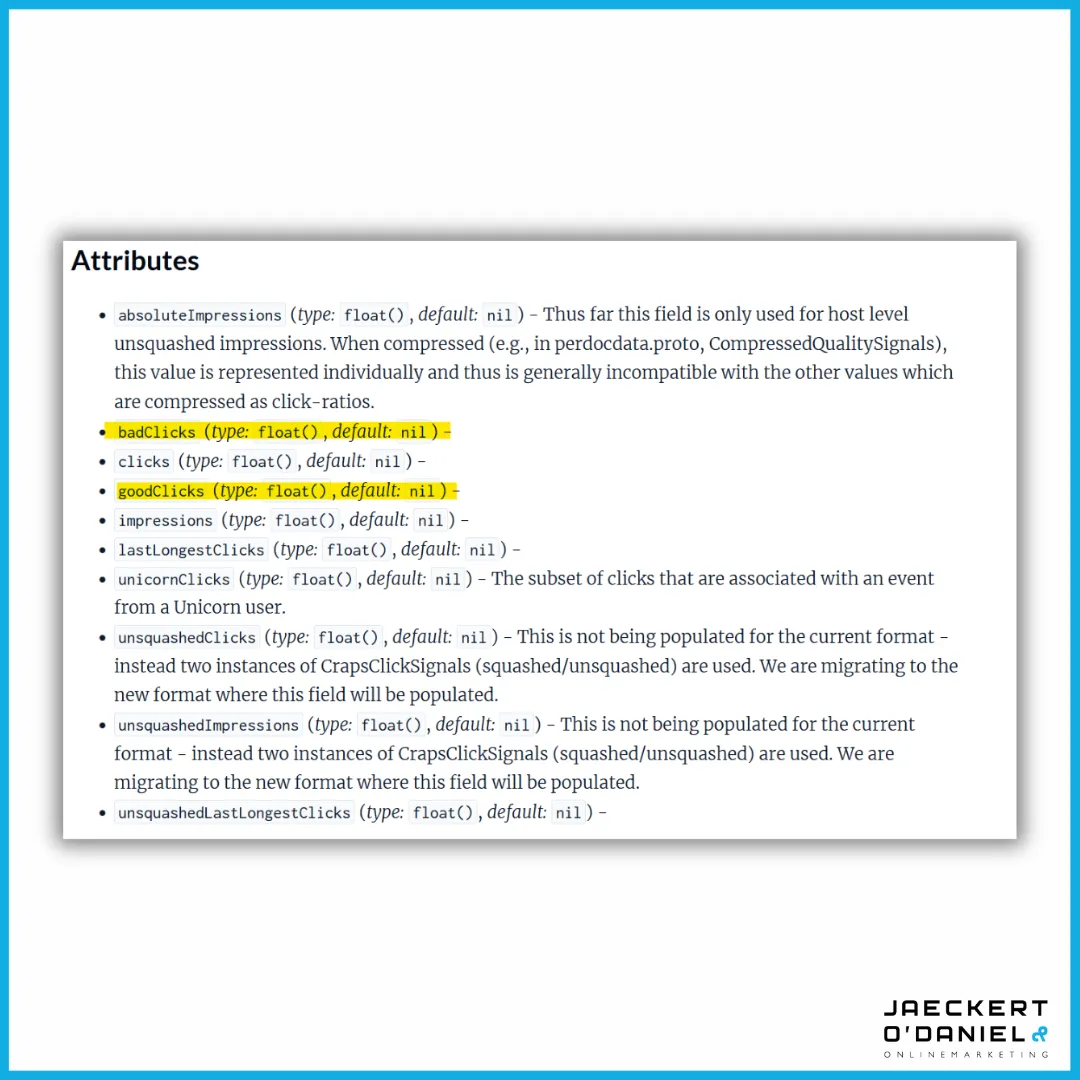
So Google needs new, further ranking factors. In the leak last year it became known that Google also accesses user data (see our article on clicks and views as ranking factors). In the end, the content also has to “work” for users. Otherwise Google has not done its job as a search engine well. From our point of view, Google has been turning exactly this ranking factor again and again for many months and checking how the search results change.

The suspicion is close at hand that Hubspot is also a victim of these algorithmic changes. One of many recently.

Good clicks

Thesis: “bad clicks” cause the ranking crash

From our point of view, low quality content is content that ranks successfully on Google, receives SEO clicks accordingly, and triggers poor user signals. So Google looks at pages that rank at the front and evaluates them on the basis of user signals. The user signals are, for example, a short dwell time or a high back-to-SERP rate.

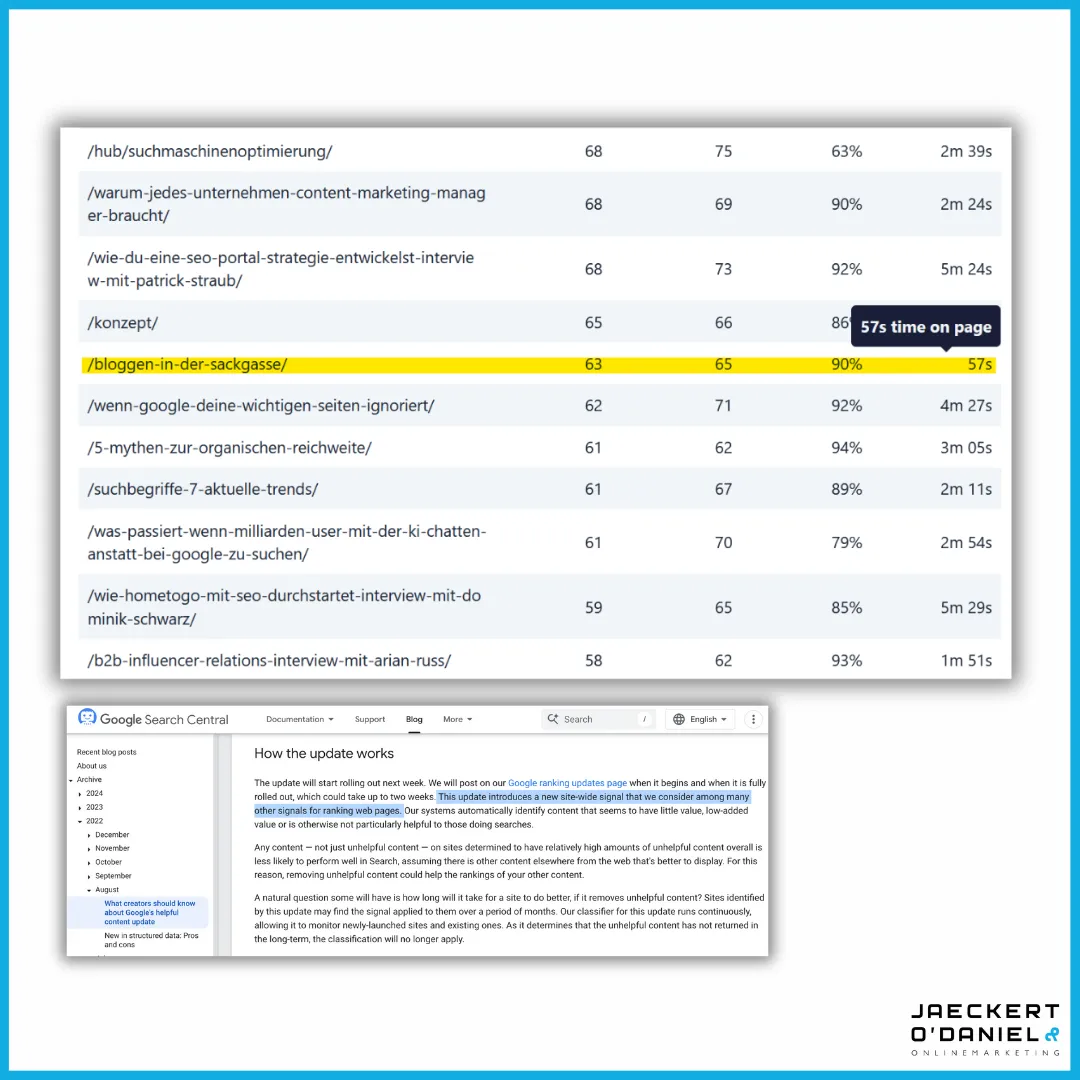
The probability that Hubspot has landed in a filter here is high. After all, thousands of articles are perfectly optimized through and through and receive SEO traffic accordingly, which Google can draw on for the evaluation. The “Helpful Content System” also points in exactly this direction. It was rolled out and extended more and more strongly last year. Content with little added value can lead to a website being penalized sitewide. In the chart, an example of that from our website, showing that individual articles perform very differently at user level. The metric here is dwell time.

Low quality content figures

Comprehensive content is no longer well received

Hubspot does not have “thin” content. The opposite. Much of the content is extremely comprehensive. Long lists such as “42 SEO analysis tools” are standard. The articles are comprehensive, yet they often stay superficial at the same time. With a list article, that lies in the nature of the thing.

Many of these list articles are backed with relatively simple screenshots. Stock images are used in the upper area. Right at the beginning, the company’s own product is pointed to several times. An embedded video has no direct connection to the topic. The article quite obviously has a superficial, promotional character, despite thousands of words. We consider it likely that articles like these no longer trigger good user signals. Users are used to better by now. All the more so on alternative platforms such as TikTok, LinkedIn, and other channels that are more interesting, more personalized, and more detailed. So how do you deal with that? Here we discuss in depth how we optimize for user signals for SEO. The basis for this would have to be an honest, in-depth content audit in which you analyze the content on the basis of user signals, look for patterns, and derive measures from that.


Hubspot content example

Outlook: it will hit every successful SEO project

Hubspot’s stark SEO crash is not an isolated case. In the travel sector, for example, you see similar crashes. Here too, a lot of work is done with comprehensive lists.

From our point of view, though, every website is at risk that relies very heavily on content optimized through and through and scales this playbook. Because in the process, users are often lost from view. It is only about publishing as many articles as possible. Without being clear that a saturation process is taking place among users and that quality expectations are rising overall. The more articles rank successfully, the higher the probability that many of these half-baked articles trigger negative user signals, and that the website at some point lands in a filter sitewide and crashes.

Companies that have run the “Hubspot playbook” should, from our point of view, urgently rethink their SEO strategy. We recommend analyzing user signals comprehensively, developing new best cases, and moving to new content approaches, such as first-hand experience content.

Put simply: instead of publishing 50 articles a month, many of them produced with freelancers and ChatGPT, you would do better to go to 20 articles, but produce them at a new, better quality that relies on differences and is editorially higher grade.

In the end that brings more traffic and a clearly lower risk of a penalty.

Deepen your SEO knowledge: every Monday by email

GEO SEO newsletter

Our conversations with SEO professionals in the industry

SEO quality assurance: how to protect your rankings. Interview with Gianna Brachetti-Truskawa

How Südwestrundfunk (SWR) works on search experience: interview with Sarah Stein

SEO as a growth strategy: interview with Kevin Indig

What does an online shop need in order to rank successfully? Interview with Stefan Vorwerk

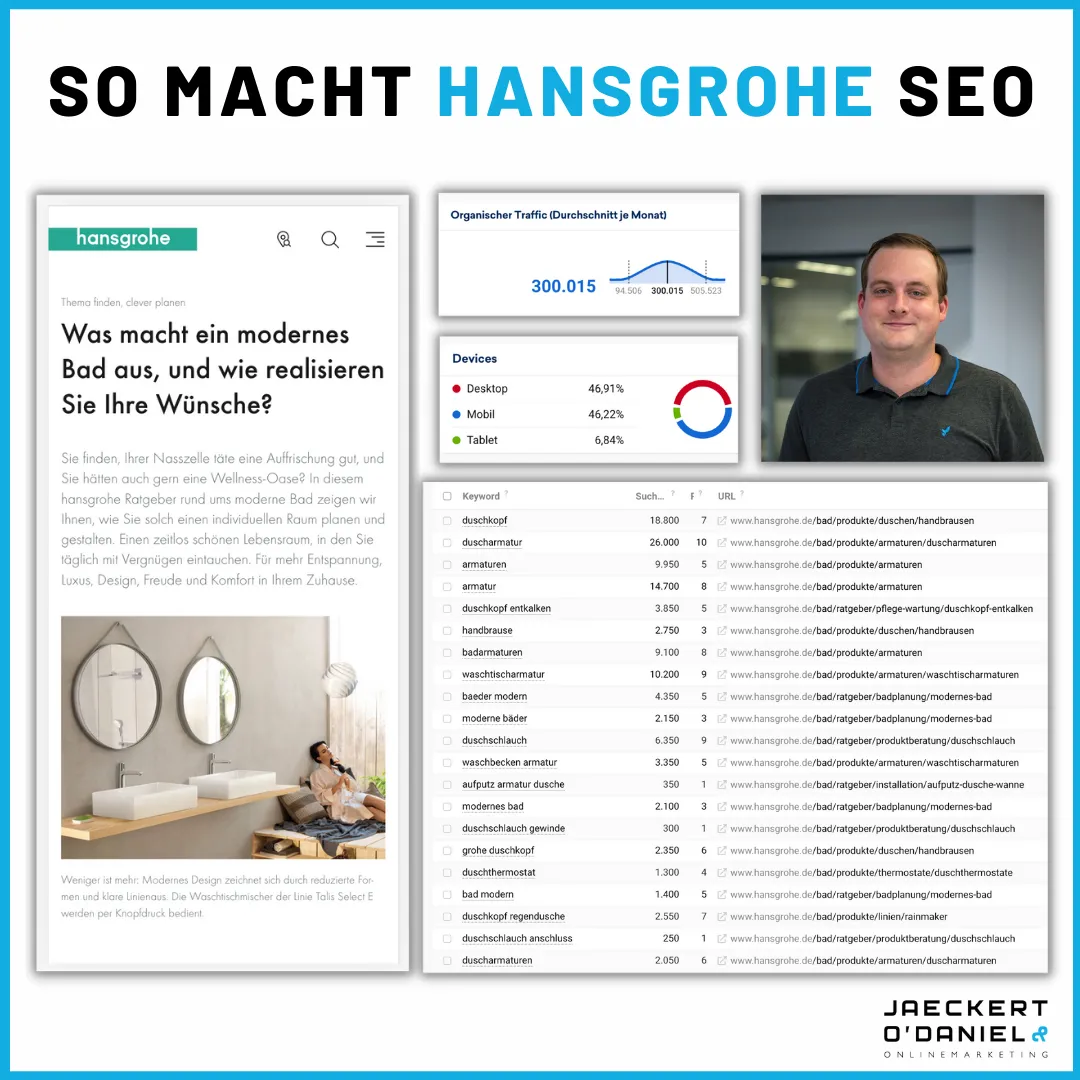
How Hansgrohe does SEO in 40 countries: interview with Jörg Niethammer

How user testing works: interview with Astrid Kramer on UX and SEO

SEO for software companies: interview with Lisa Karasch

Topics