November 19, 2018Benjamin O’Daniel
Content Production: How You Produce Content Successfully
If you want to be visible online, you have to produce content. That is clear. But what kind of content? Which topics, which style, on which platform, and how much content? We discuss that on this page.
In the matching podcast episode we go into detail. And we discuss how we produce content for complex topics. As consultants we support many B2B companies in creating helpful content for their website, so they increase their visibility in search engines such as Google.
The guide here is for everyone who wants to professionalize their content production and understand the topic better.
Definition: what does content production mean?
The term “content production” describes the various phases of creating content for a target group, from the topic idea through production to publication and evaluation.
- Developing ideas (topic, the angle of the content)
- Research (gathering specialist information)
- Working it out (for example writing text, recording a podcast)
- Publication (website, social media channel)
- Evaluation (reach, impressions, rankings, and so on)
We will look at these phases more closely in a moment.
Before that, some fundamental questions have to be clarified. Because we are read by professionals and by beginners, we first clarify four central questions.
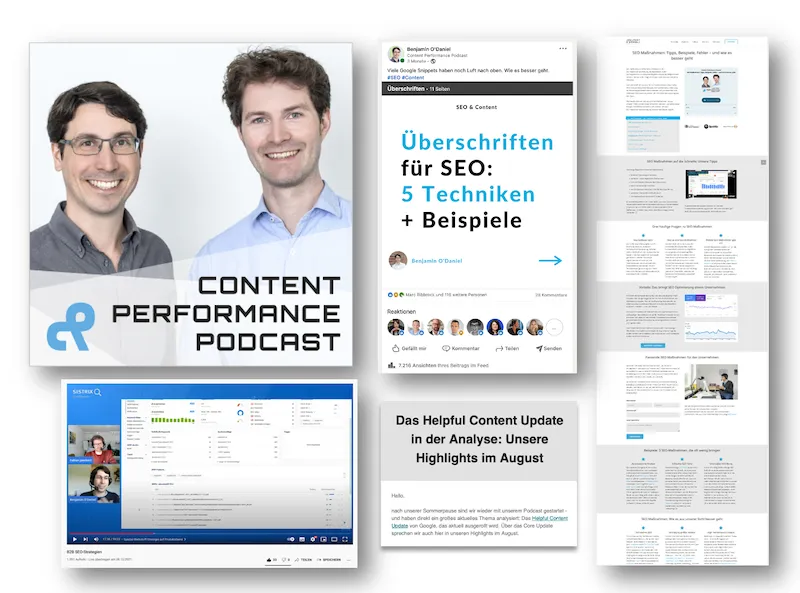
One example: we have a content portfolio made up of different formats. For every content format, content has to be developed systematically.
What you should clarify before you start content production
What is content?
Content means all digital content. There are four big media types:
- Text (website texts, social media posts)
- Image (product images, graphics)
- Video (image videos, tutorials)
- Audio (podcasts)
Within these four basic types, content is planned, developed, and published.
That means: a video on YouTube is content just as much as an infographic on LinkedIn or a blog article on the website. That is what makes the topic so varied.
What is the content strategy?
Simply producing content leads nowhere. You need a content strategy. At its core that means:
- Why the content is developed (marketing goals)
- Who the content is developed for (buyer persona)
- What the content is supposed to achieve (traffic, leads)
- On which channels the content is published
- At what frequency the content is published
As part of a content strategy, it is also about planning and carrying out content production systematically. And later about checking whether the content has successfully contributed to the company and marketing goals.
Content tips from practice: live webinars and updates via our mailing list

Which content format?
An essential part of professional content production is developing a consistent content marketing format that you “work into”. That includes:
- Content benefit for users (information, entertainment, and so on)
- Content design (layout, language)
- Content length (snackable content or longform content)
So this is first about the basic “packaging”.
Example: if you regularly publish LinkedIn slideshows or Insta Reels, you need a format for that. More here on content formats.
How is our content portfolio structured?
Companies usually have a range of content marketing formats in use. This is also called a content portfolio. It often includes:
- Website (landing pages, blog, corporate information)
- Newsletter
- White papers and case studies
- Social media channels
All channels have to be filled regularly, and not rarely in more than one language. Marketing managers or content marketing managers are responsible for that.
Step 1 in content production: developing ideas
If you develop content, you need good ideas. The brainstorming for that can start in many places:
- Ideas for topics (for example for a blog)
- Ideas for wording (for example for landing pages)
- Ideas for design (for example for the homepage)
- Ideas for formats (for example a glossary on the website)
The most common is the search for topic ideas. You can develop the ideas freely, or on the basis of solid research. For example with keyword research or a systematic competitor analysis.
We have had very good experience with a combination of tool-based research and free topic development.
The tools provide a demonstrable data basis. Keyword research, for example, shows what users demonstrably search for.
Free idea development starts with the customers: which questions come up in sales conversations? What are the customers’ concrete problems? Which topics are being discussed in the industry right now?
We have had good experience going deep into a topic area and building systematic topic leadership there. For example in the form of a content hub on the website, combined with posts on social media.
Step 2 in content production: research
If you develop content, you need specialist expertise on the respective topics. You can of course work your way into any topic, for example by classic googling, but also through books, videos, and podcasts.
Our experience: the best way to research a topic is interviews. We ourselves conduct many interviews in our podcast with professionals from the industry. Preparing the questions and the conversation are always very productive.
For the people responsible for content in companies, that means: they need interview partners. The experts of course do not have to be “pulled” into the public. But they do have to be willing to share their knowledge. Good conversation partners for the research are:
- Product owners
- Colleagues in support
- Colleagues in sales
Because that is exactly where you find what marketing needs: a deep understanding of the customers and of the solution you offer.
Step 3 in content production: working it out
The researched knowledge is then put into shape. Often in text form. Here you should know the rules of the formats and be able to apply them.
But it also takes a lot of craft. If you write a landing page, you should master copywriting. If you write a guide article, you should above all be able to write in a way that is informative, clear, and structured.
Working out content takes time. Always. That is why you should block this time as well as you can, so you can produce in one stretch.
Our experience is that the people responsible for content master one, or at most two, production skills in depth.
Almost nobody can write at the highest level and, at the same time, edit videos and play the whole social media keyboard. Even so, that is expected of many people responsible for content.
We recommend concentrating on one, or at most two, media types, for example text and image.
Step 4: publishing
Publishing and managing the content is also called content management. Most of the time these are the same people who wrote or produced the content.
That means: you also need an understanding of the platform, or the channel, on which the content is published. This is often about technical knowledge. How do I create an article in my content management system (CMS)? Which fields do I have to fill in with what? But also questions such as: what do I have to watch out for when I publish a post on LinkedIn? All of that can take a lot of time. Even more so if you do not do it often. The other way around: the combination of creative skills, craft, and technical understanding is what makes a good professional profile for people responsible for content.
A content management system that does not work the way the company imagines is often the trigger for discussions about a website relaunch or a CMS change.
Our experience: the option of technically optimizing your existing CMS, instead of replacing it completely right away, is often checked too little. Because that causes a high workload, which often comes at the expense of content production. A listening tip on that: relaunch or redesign, and what is the best CMS for SEO?
Step 5 in content production: evaluation
If you produce content professionally, you have to look at how the content performs. That means: you need defined goals, monitoring, and a regular discussion of whether a particular content format is bearing fruit. If not, it is optimized or discontinued.
The people responsible for content should themselves push for this to happen. Only if they contribute to the company’s success do they get the time resources for their work.
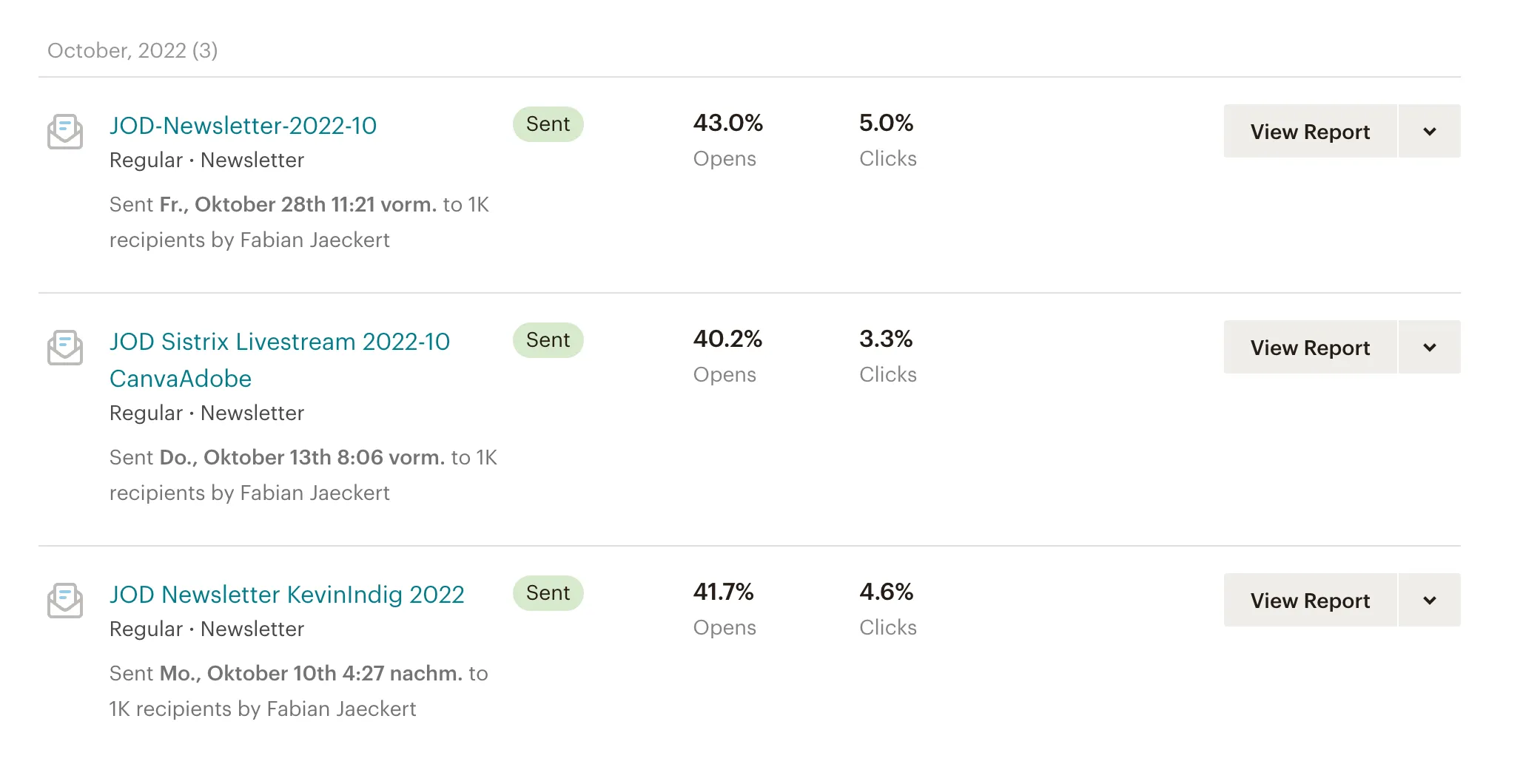
One example: we regularly look at open rates and click rates in our newsletter. If the numbers get worse, we discuss the format, for example what we write in the subject line, and how often we send the newsletter. That is how we keep the quality high.
Content production and SEO: so the content is really worth it
Creating content yourself is and remains laborious. Professional writers cost around 100 euros an hour. Getting up to speed and creating the first content pieces costs at least several days of work.
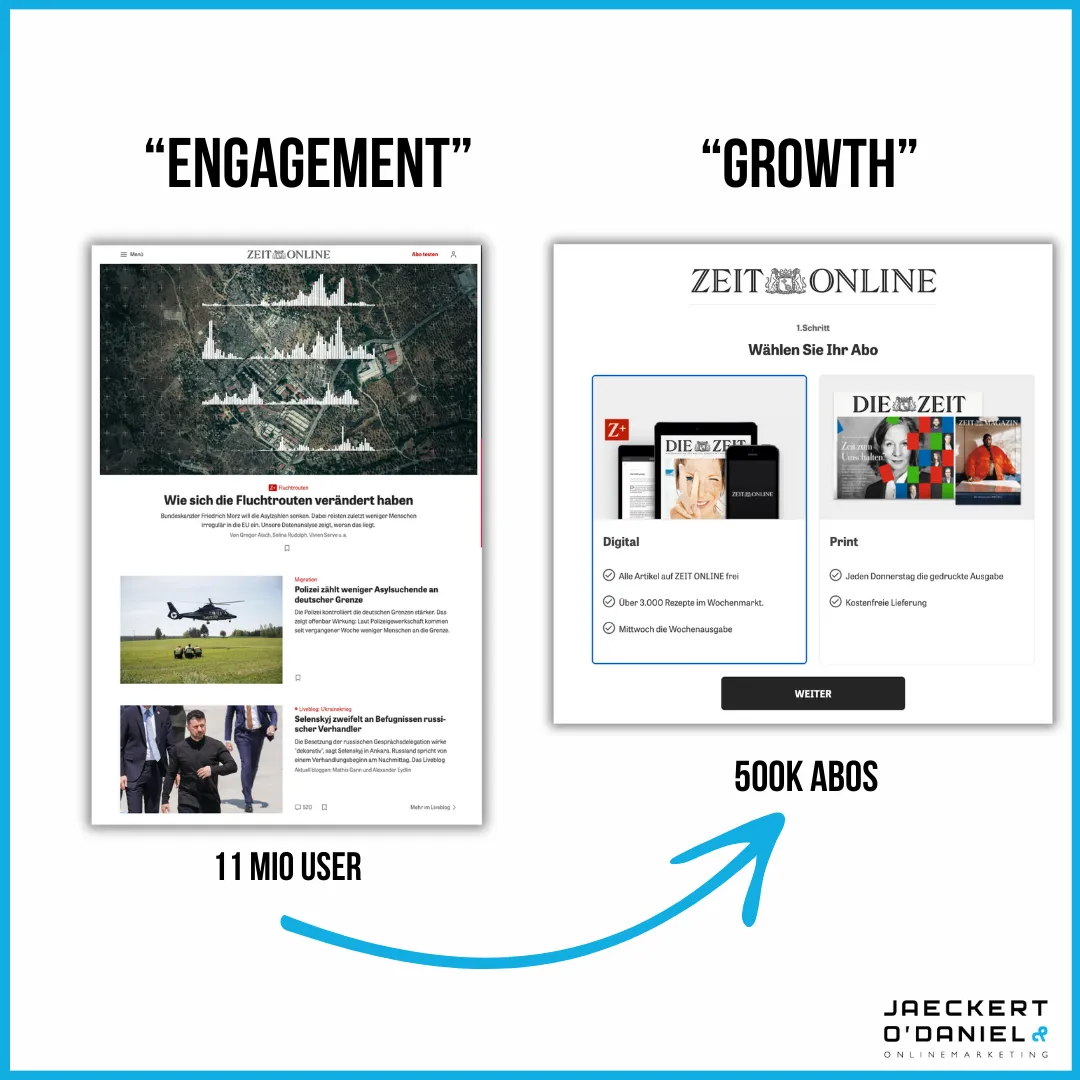
That is why content production should bring in as much as possible. And in a measurable way. This is where we start with search engine optimization (SEO).
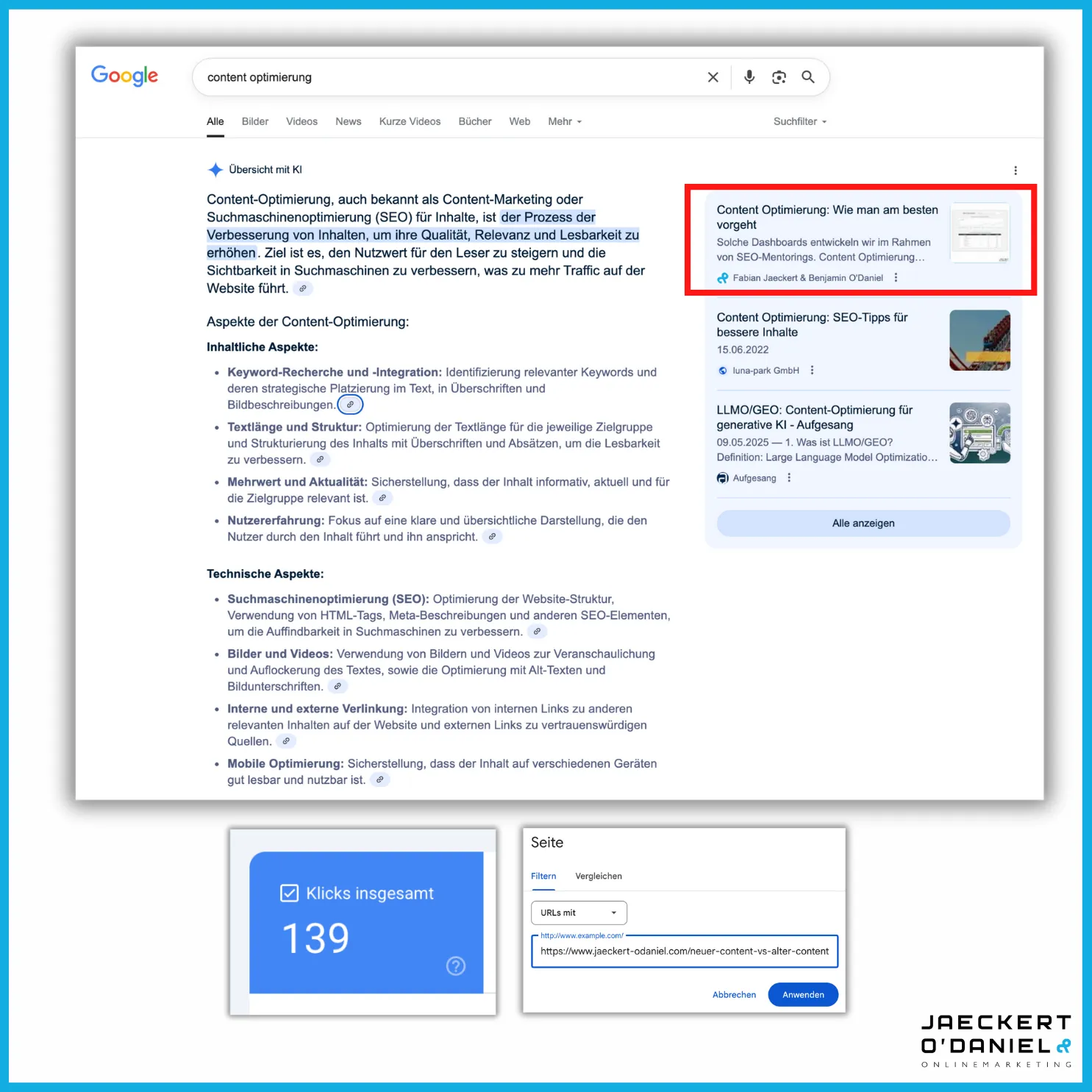
The point is that the content can be found on Google for as many search terms as possible. At the same time the content should also be high quality. After all, potential customers read the website texts every day.
Bringing both together, content for search engines and for visitors, is our expertise. We help marketing leads take their content and their search engine optimization into their own hands.
We can get to know each other in a 30-minute online call and talk about your current content situation.

Benjamin O’Daniel (left) is a trained editor and content marketing manager. Fabian Jaeckert is a technical search engine optimizer. Together we combine content and SEO as one whole.
With Jaeckert O’Daniel, it quickly became clear to us that we had made an excellent choice in selecting potential partners for our online marketing project. Their expertise and, above all, their ambition to thoroughly immerse themselves in our specific industry topic to provide us with the best possible support, are precisely what is now propelling us forward.
 Tobias ReitmeierF.EE Group
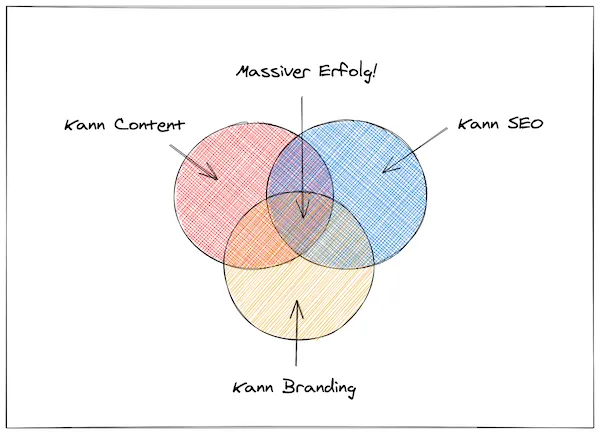
Producing content – with an understanding of SEO and brand management
The key to success: when companies produce content regularly, with an understanding of SEO and of brand management.
The companies that rank at the top on Google are the ones that create helpful, thorough content. That develop content users are really searching for. You set marketing back on its feet. Because through keyword research you find out what potential customers are searching for, and you meet that demand.
Content production: an example
Example: a marketing manager looks after the website of a B2B company. She is responsible for creating all the content. With a content hub she pursues the content goal of reaching potential customers with useful content, improving the Google ranking, and generating leads.
For that she needs strong content ideas, a content plan, specialist input from the product department, and time for keyword research and content production. Every content piece should consist of a text and a graphic. It also has to be built into the content management system (content management).
What is decisive for content production are the respective processes. In search engine optimization, for example, a content piece, such as a landing page or a topic page, is optimized regularly in order to improve the Google ranking. A further question is whether content production should happen in-house or with external support.
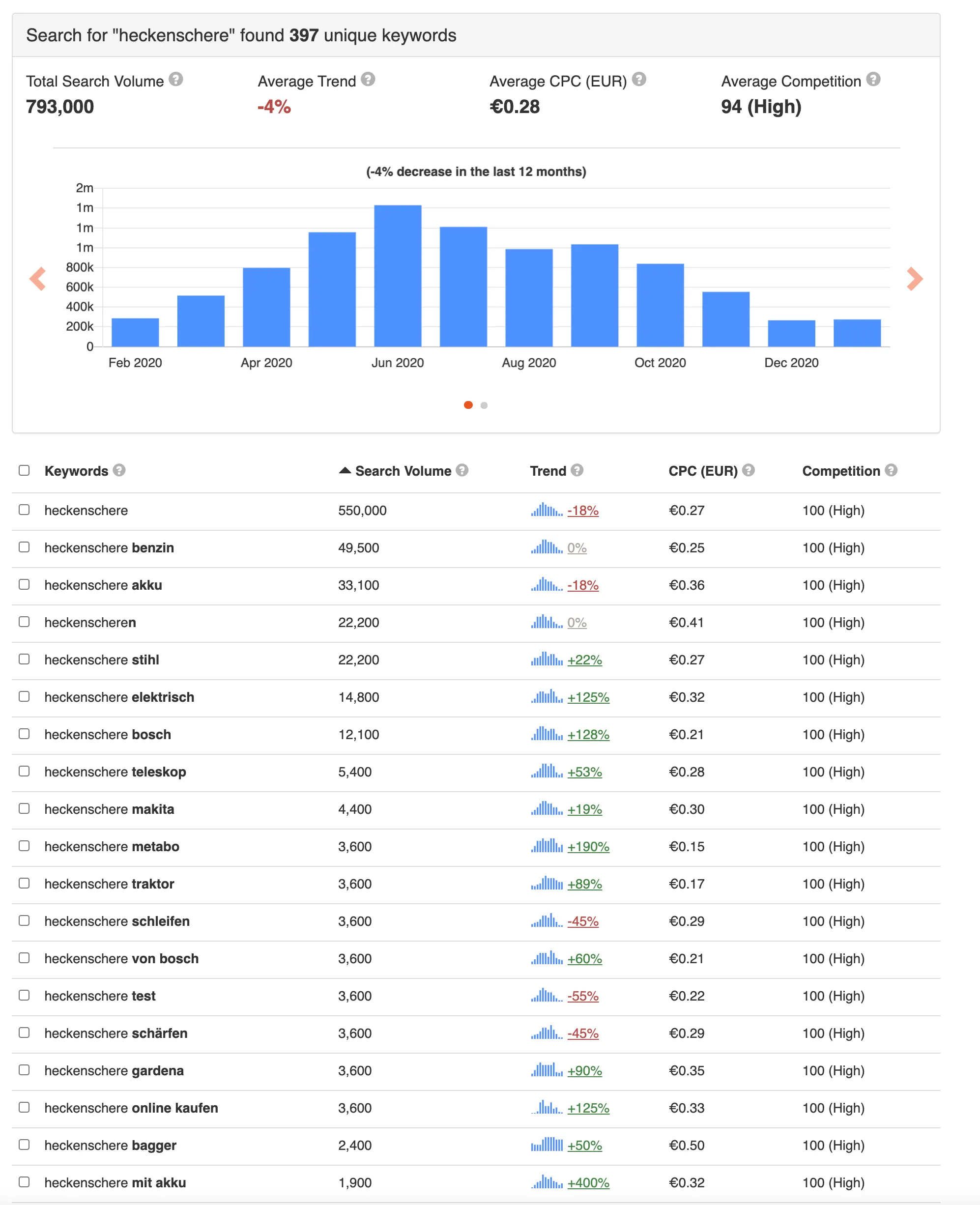
Here is an example of a keyword list from a professional SEO tool.
The phases of content production
Content production is divided into different phases. Here is a rough overview:
- Finding ideas
- Topic research
- Keyword research with a tool
- Content production
- Content publication (website)
- Content distribution (social media, newsletter)
- Reporting (traffic, engagement)
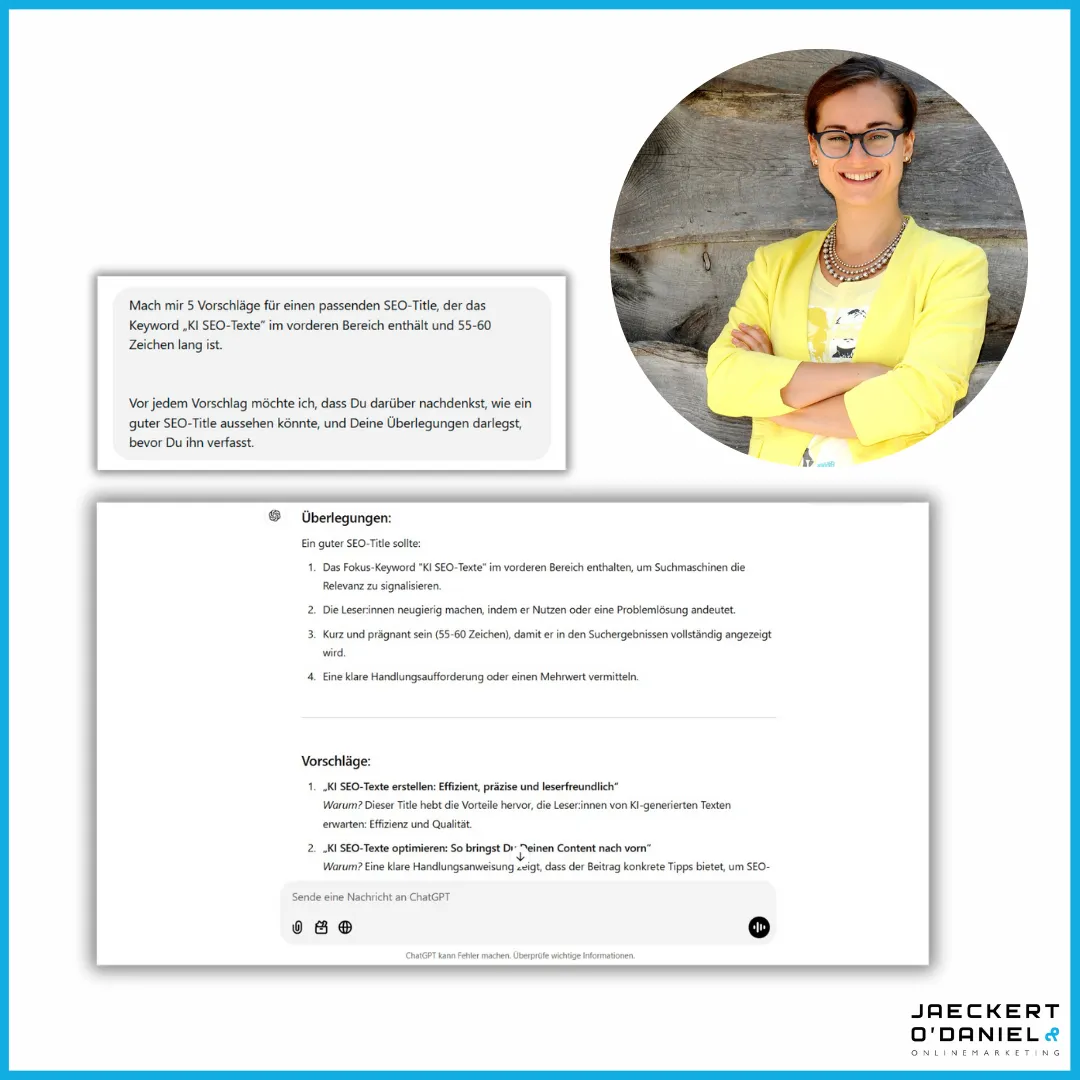
- Content optimization (for example a Google snippet)

What did the content deliver? The basis for monitoring is a professional toolset, for example for traffic, rankings, and conversions.
Content professionals report here from their daily work





How Do I Become a LinkedIn Influencer? Interview with Jens Polomski

Community Management in Companies: Interview with Vivian Pein

How Do I Become a Personal Brand – without Crude Self-Promotion? Interview with Kerstin Hoffmann

How to Build a Successful Startup: Interview with Johannes Kliesch