August 31, 2020Fabian Jaeckert
Creating a Glossary: A Smart SEO Strategy?
No personal branding. No storytelling. Just sober information. That is what a glossary is.
And that is exactly what many users out there like to have. Clearly structured, informative explanations of terms.
For some people, glossaries may be boring. But they are a very efficient driver of SEO traffic.
But simply putting 10, 100, or 1,000 glossary articles online is not enough either. That is where we pick up with our discussion in the current podcast episode and in this article.
As SEO consultants we support companies in getting more visitors via Google with their SEO glossary and, through that, in generating more leads or more revenue. We advise marketing leads and accompany them in the internal implementation.
Glossaries in marketing: what this page is about

What is a glossary?
A glossary is a list of specialist terms that are explained. Comparable to an encyclopedia. Often, though, focused on a particular subject area.
Companies create glossaries to explain complex topics to their customers more clearly. A glossary is therefore also a marketing instrument. Many visitors search Google for explanations of terms and arrive on the company’s website that way.
In search engine optimization it is about understanding which concrete terms (keywords) customers search for and how to cover them on the website. An SEO glossary is one possible format here.
Benefits: what does an SEO glossary on the website bring?
A glossary picks up potential customers at the start of their customer journey. And that usually begins with having specific questions and wanting to understand terminology. This is especially common in plant engineering, mechanical engineering, software, and similar B2B industries that need a lot of explanation.
This is where glossary SEO comes in. More visitors come to the website. And as a result, if the traffic is used well, more inquiries are made or more sales are generated.
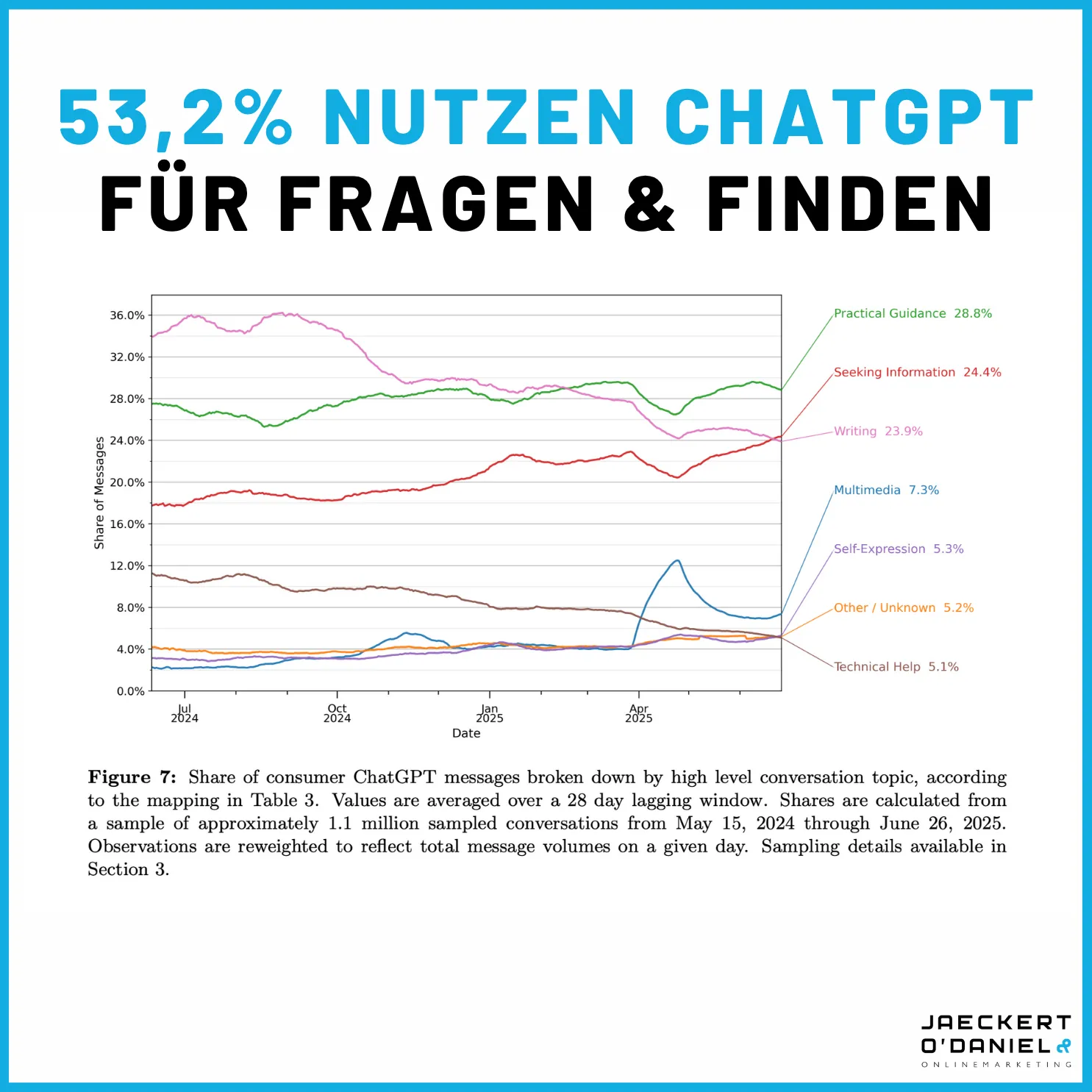
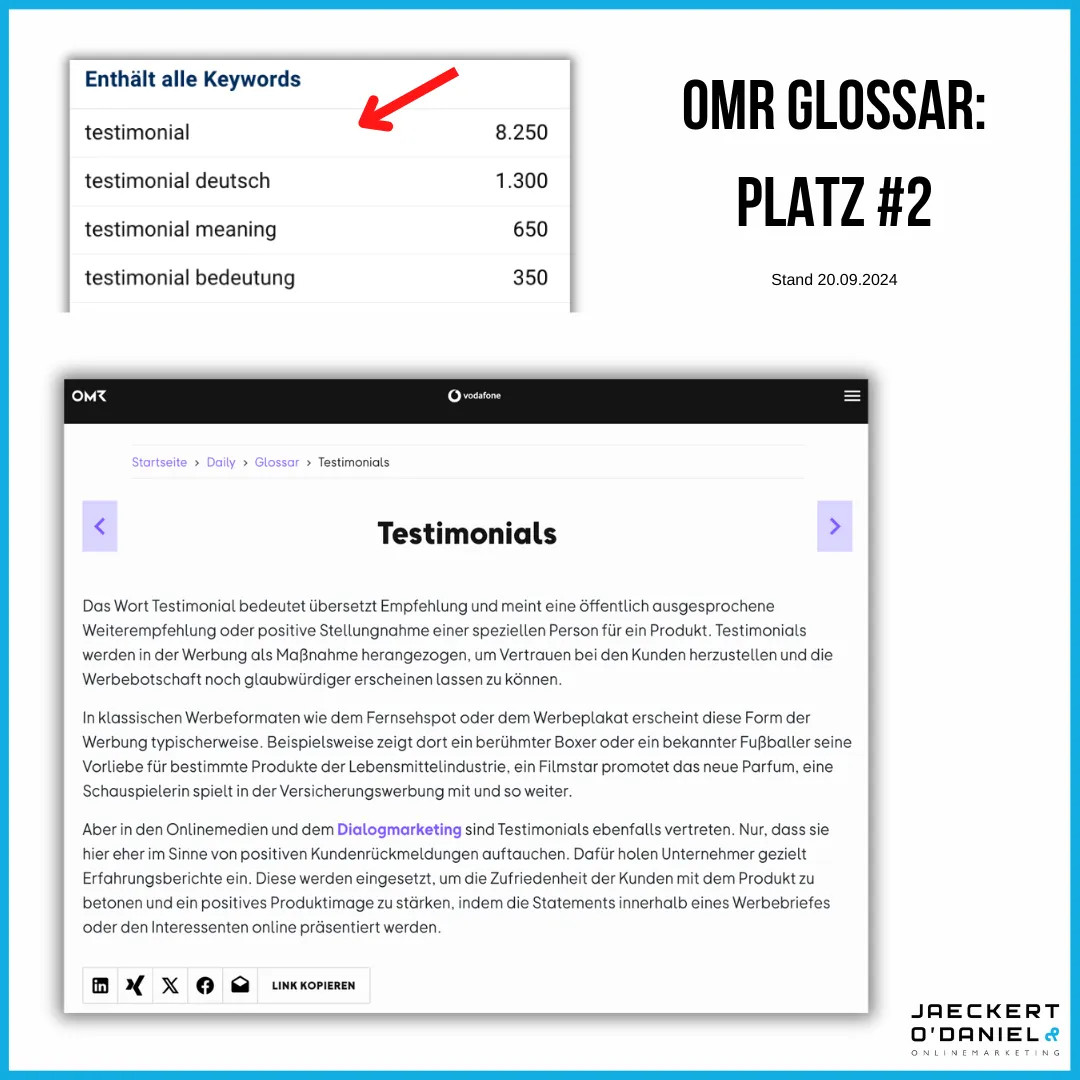
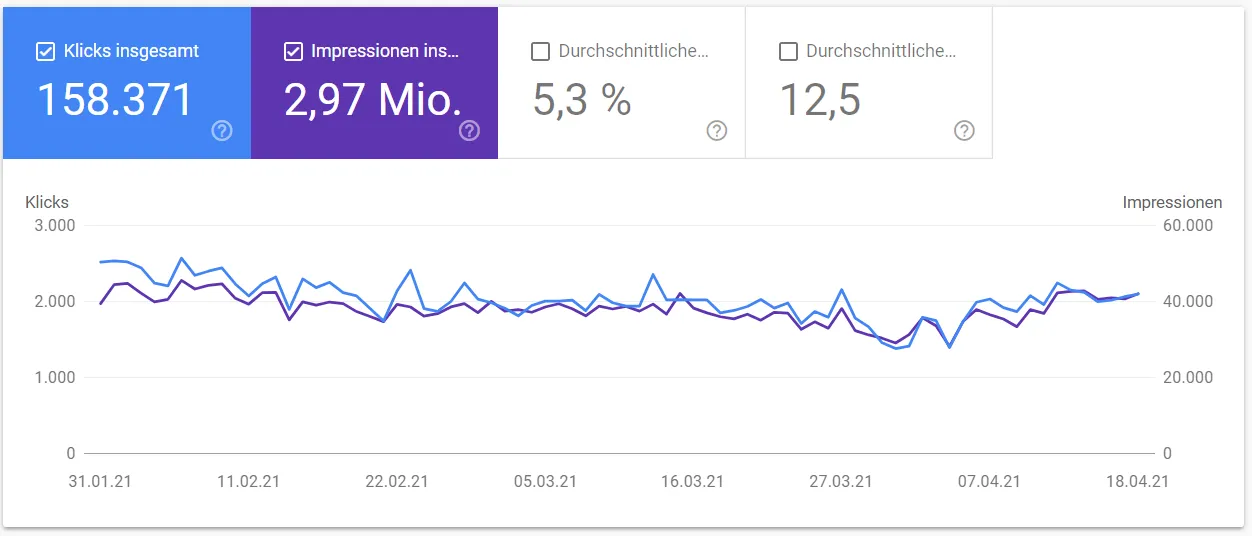
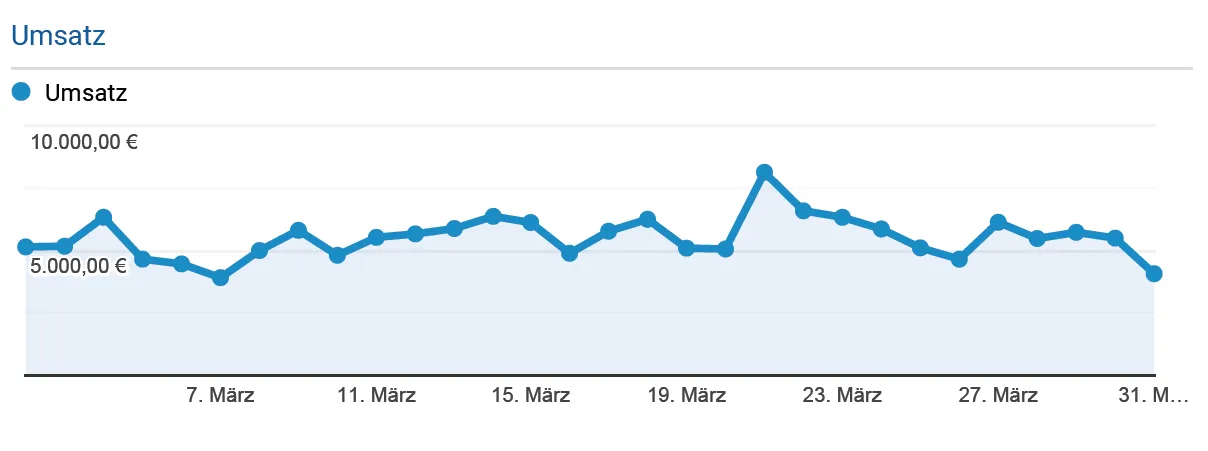
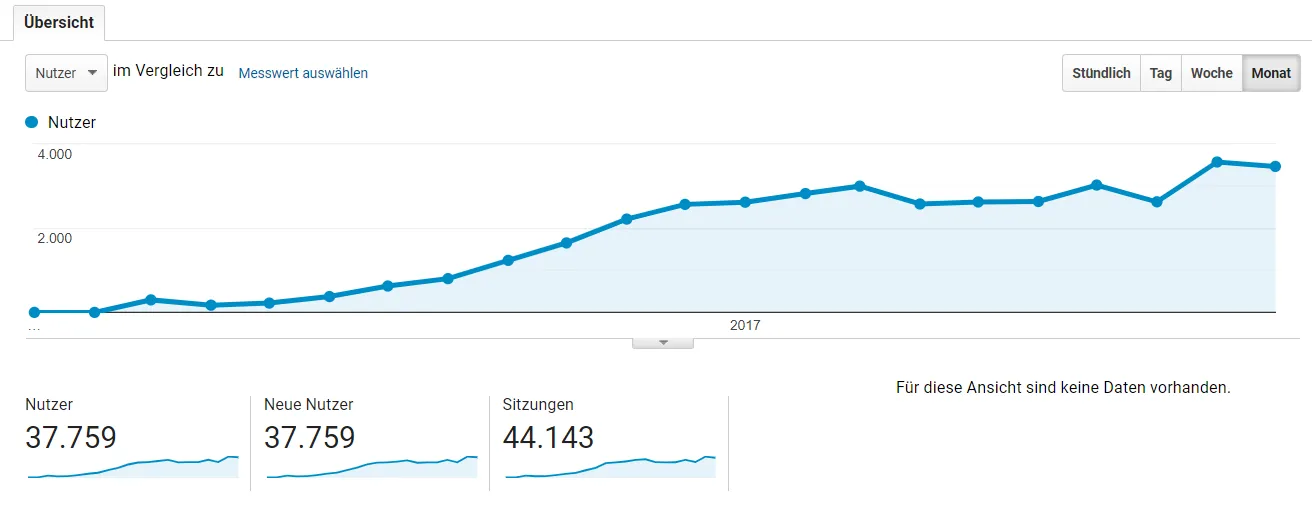
The two charts illustrate this. One company receives a six-figure number of clicks on the website per quarter. Another company generates a four-figure amount of revenue every day. Both rely on comprehensive SEO strategies and have built helpful content over years.
Numbers like these do not appear overnight. They are the result of long-term work. Often starting with an SEO concept and subsequent SEO measures. Search engine optimization is not a question of size. It is a question of attitude. It is about whether marketing leads want to take the topic on.
Three common questions about glossaries and encyclopedias on websites
How is a glossary used on a website?
A glossary is often built into corporate websites as the centerpiece for informational topics, where it is not about products but about basic understanding. It is also a form of content marketing. The scope is often 50 to 100 articles on specialist terms, but glossaries with several thousand articles also occur, depending on how ambitious the project is.
What role do glossaries play in search engine optimization?
An SEO glossary often brings a lot of organic traffic to the website. The reasons: generic terms and definitions are searched for a lot. A glossary is very well structured, and the articles, and with them the keywords, are clearly separated from one another. The individual articles are strongly linked to one another, an important ranking factor. That is why many companies rely on glossaries as a marketing or SEO measure.
How do you create texts for a glossary?
Often a specialist department is responsible for creating the glossary, which frequently shows up in specialist language. So the experts in the respective subject area. They put their specialist knowledge into text form. Marketing and IT bring the content together on the website. That often works well, because creating a glossary is at first a self-contained, clear project. Few specialist departments have an interest in creating content for marketing on an ongoing basis.
Creating a glossary: three sticking points from an SEO perspective
Easy to copy
A glossary is very easy to understand from the outside, and therefore easy to copy as an SEO strategy. Especially when the articles are very short. In many industries we see competitors copying one another, and for example all of them having an SEO glossary on the website. Because the content is purely informational and often not very extensive either, less qualified staff are also used to create the glossary. Put bluntly: the intern “gets” to write for three months.
No follow-up work
Creating a glossary is often seen as a one-off project. But the Google ranking changes continuously. Competitors do not sleep. The changes are especially strong with a Google Core Update. Some glossary entries rank very well, others do not. You therefore need regular SEO analyses to assess the online marketing results of the encyclopedia, and above all to optimize afterwards.
Few conversions
Glossaries increase SEO traffic. But it is also clear: an SEO glossary does not bring as many conversions as, for example, traffic on a product page. Users inform themselves on the website and are gone again afterwards. Many companies think too little about how to handle the informational traffic and keep the users who are still at the beginning of their customer journey.
SEO tips and white papers, through our newsletter

So that a glossary does more: three levers
Continuous optimization
Create a glossary once and done? That rarely works. The work on the SEO glossary is never finished in itself. As always in search engine optimization, content has to be improved on an ongoing basis. At the start it is a mammoth project. After that, though, time and budget also have to be invested in order to improve the content continuously.
Measure content performance
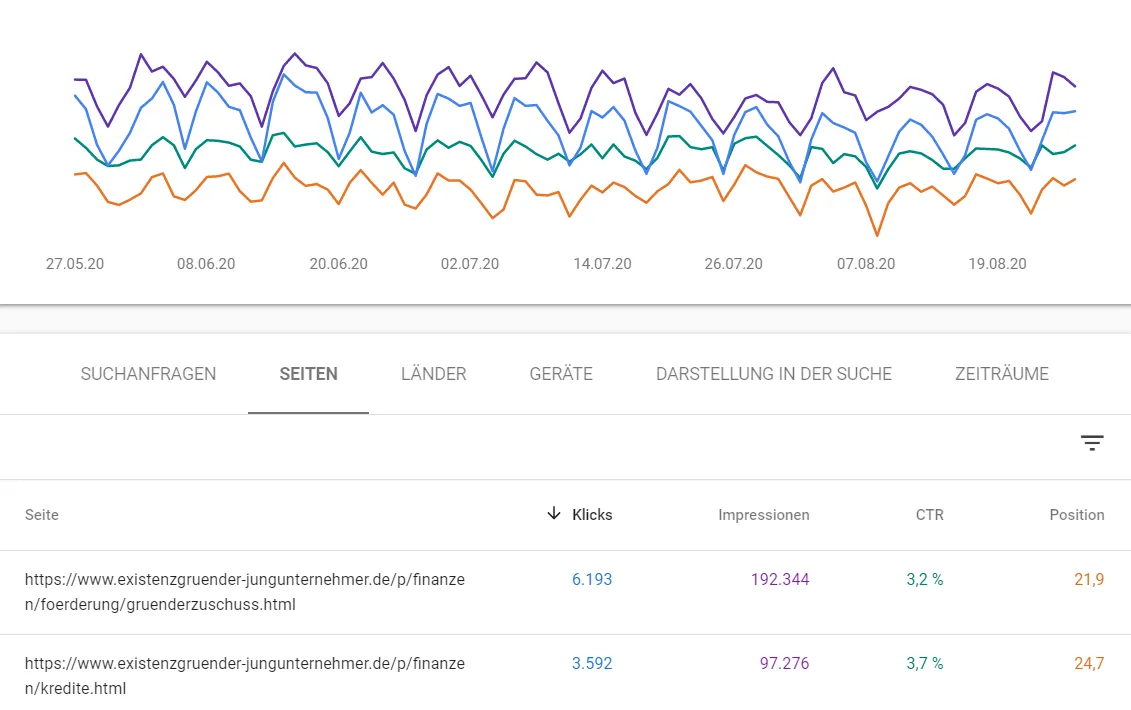
Where does the glossary stand in the ranking? What are the focus keywords, or the keywords? Which individual articles stand in which positions? Where do you still have chances to improve your ranking and thus increase SEO traffic? Which content formats are at the front in the search results? That is the starting point for improving the content and starting SEO measures.
Improve conversions
A glossary is and remains an informational strategy. The search intent of users is purely information-driven. Still, they do want more, just not yet. So it is also about developing a fitting, attractive lead format, with further informational value. That is how the user is kept.
We develop SEO and content strategies

Benjamin O’Daniel is a trained editor and content marketing manager. Fabian Jaeckert is an experienced online marketer and web developer. We advise companies on their SEO and content strategy. We also teach employees in our SEO course how to put search engine optimization into practice day to day.
With an SEO glossary, everything interlocks: specialist content, IT, marketing, and search engine optimization as an online marketing discipline. We work exactly at this intersection as SEO consultants.
You can set up an SEO introduction with us (30 min. video call).
Glossary: an example
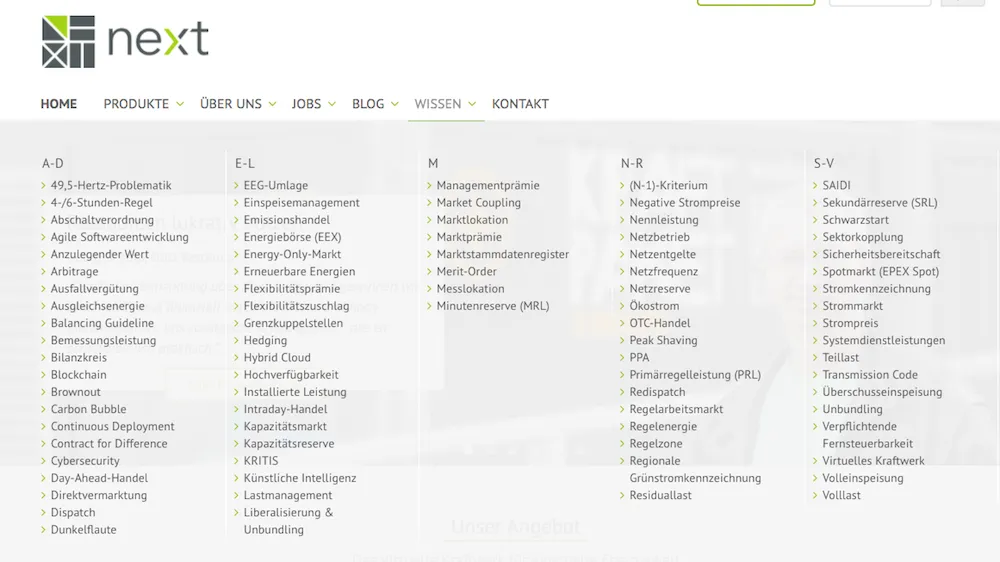
Here is an example of a very successful glossary. A company in renewable energy created an extensive glossary, with definitions, examples, infographics, and further explanations.
The glossary achieves a very large reach. Through it, the company has made a real name for itself in the industry, so it has built reputation. In addition, sales receives a steady stream of high-quality leads via the website, and has done so for many years. The head of communications reports that here in our podcast.
SEO strategies from practice: interviews in our podcast


SEO for a software company: interview with Beat Köck

Twice as visible as Airbnb: interview with Dominik Schwarz

The SEO strategy of Reishunger.de: interview with Benni Uhlmann


Are you relevant enough for Google? Interview with Olaf Kopp on the entity model

Search intent: how do your users tick? Interview with Johannes Beus of Sistrix

SEOs look at the company like entrepreneurs: interview with Marcus Tober
Further online marketing topics
Overview: online marketing
Online marketing and SEO have many facets and disciplines. From blog marketing strategies through local optimization to social media and its individual platforms such as LinkedIn. The connection: it is always about the interplay of technology and creativity, of tools and content.
Example: relaunch and SEO
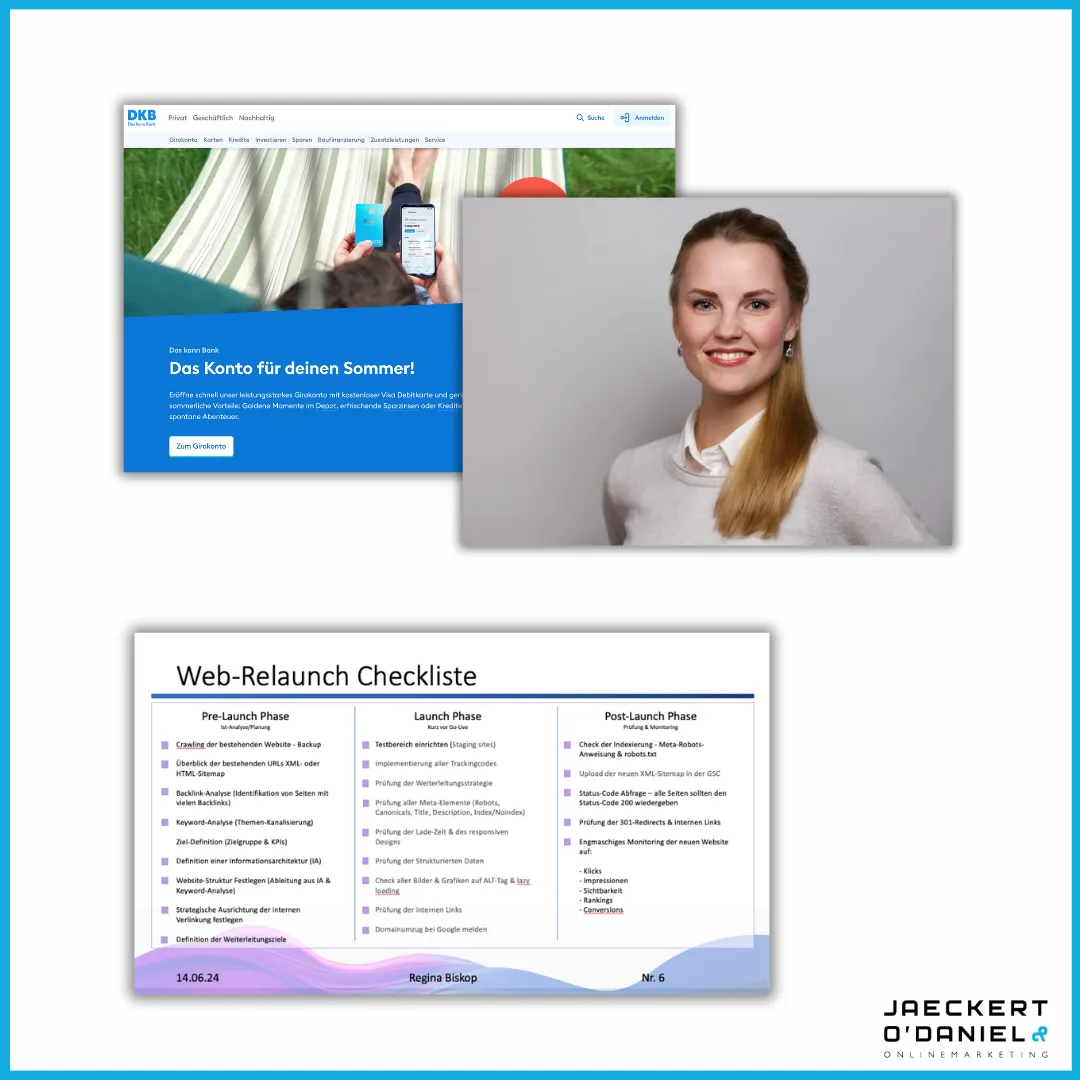
A relaunch often causes a drop in SEO traffic. Unnecessary damage, and often a large loss of value. The reason: visual topics are often in the foreground. Neither marketing nor IT has SEO expertise. If URLs change, for example in the glossary, that affects the ranking. SEO and relaunch: how to do it better.