November 22, 2021Benjamin O’Daniel
Link Building Is (Almost) Dead, Long Live Digital Relations
What are digital relations, and what does digital PR have to do with SEO, meaning search engine optimization? We discuss that here using examples.
Backlinks are important for top rankings on Google. But the methods and measures applied in search engine optimization have had their day. And this is where digital PR comes in.
Everyone knows the schmaltzy link requests by email that we all delete immediately. Because simply nobody places links to unknown websites from unknown people. Well, maybe one in a hundred does. And that is why we all get these emails. Again and again.
Typical online PR also falls far short, from our point of view. It is not enough to publish an e-book or an infographic and then write to hundreds of people again. Or, in the end, to buy links after all.
The abbreviation “PR” contains the word “relations”, meaning relationship building.
We talk about that in this podcast episode. Because some SEO pioneers combine clever content with a serious kind of relationship building.
And look at that: the success rates rise. For links, but also for further important signals to Google. Because in the end it is about building a digital brand.
What is digital PR?
Digital PR or online PR is a sub-discipline of public relations and focuses on measures and relevant multipliers in the digital space.
Classic press work concentrates very strongly on journalists and wants to achieve mentions in the classic media, or to get a hearing for the company’s perspective when publications happen.
Digital PR leads a rather shadowy existence in this cosmos. And with regard to SEO it is a complete niche. Because many PR professionals do not recognize the value that mentions, reviews, and links have for SEO visibility.
Few impulses come from the neighboring fields either. Social media marketing deals with the platforms and influencers. Content marketing is concerned above all with the development and production of content formats.
Content distribution happens through the companies’ own channels, or often through ads as well (Google Ads, social media ads).
But that has nothing to do with PR or digital PR, where you earn mentions through successful communication, and not through the wallet.
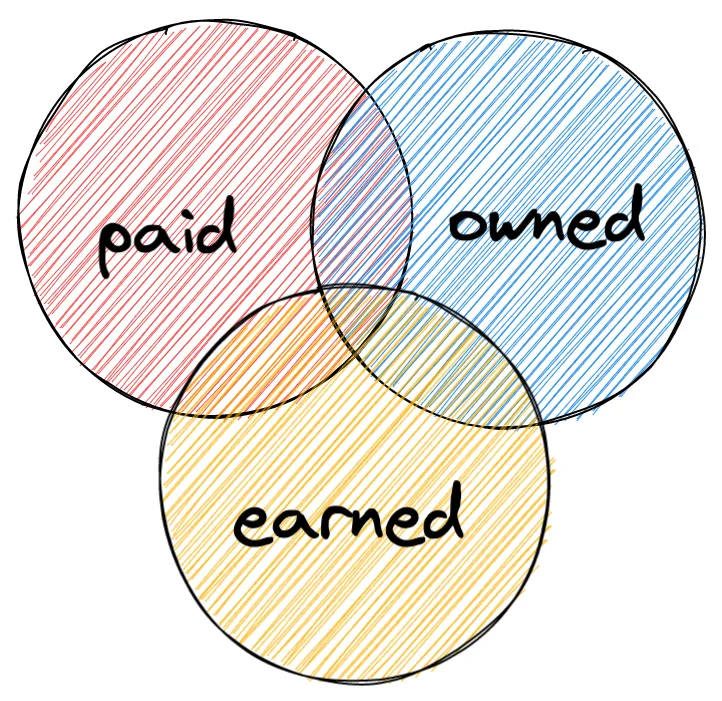
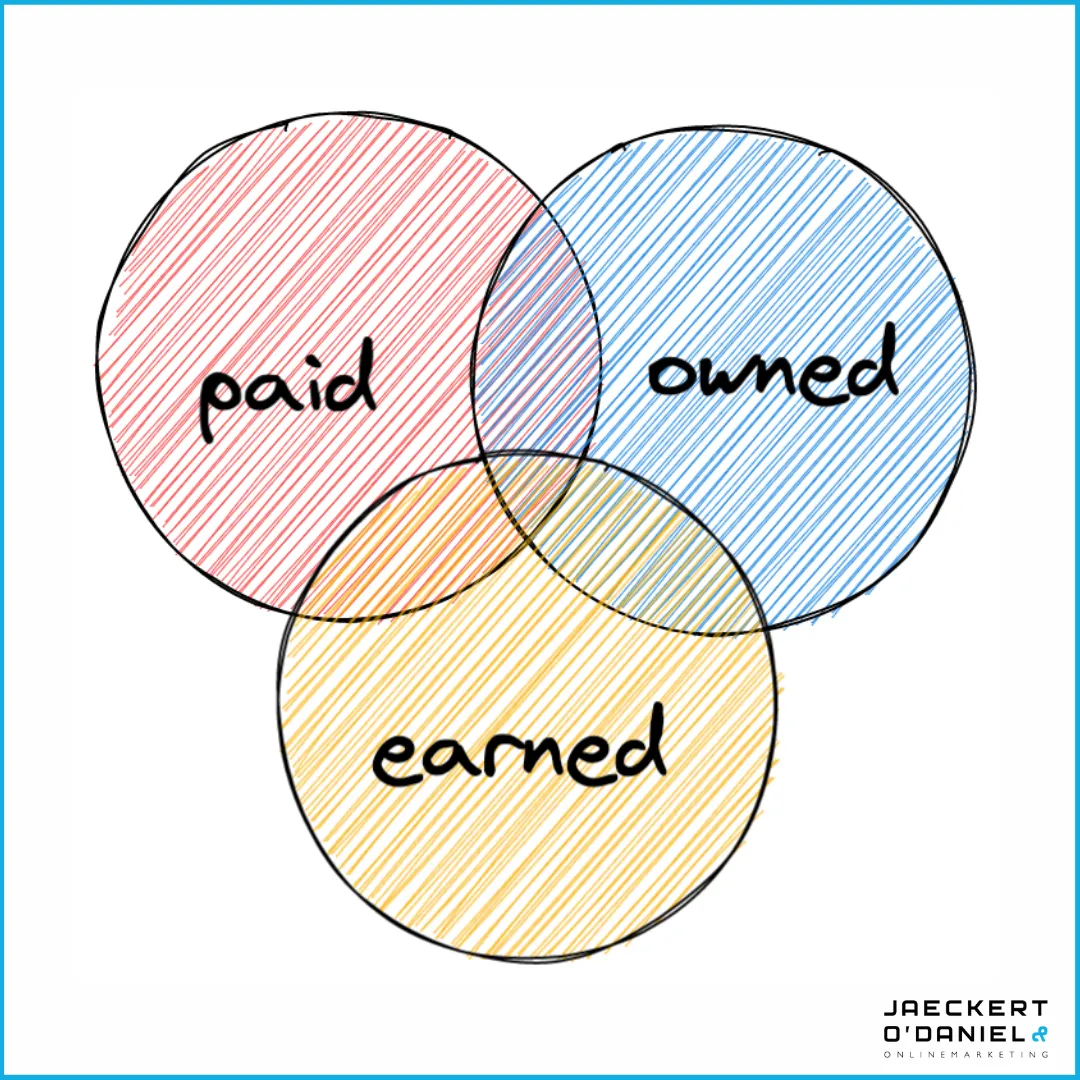
A common division found in the literature is the distinction between paid media, owned media, and earned media. Meaning paid visibility (for example through ads), own channels (for example the website and a newsletter), and “earned”, meaning visibility you have earned. Online PR falls under the last point. And SEO too sits at the intersection of “earned media” and “owned media”, because you decide over your own website and, with the right SEO strategy, earn visibility on Google.
SEO and digital relations: do they fit together?
The dark history of SEO
SEO has a long tradition when it comes to unclean measures. Even in the early years, practically everyone concentrated on manipulating the algorithm. SEO has occupied itself more and more with the “machine” than with the users behind it. The common models in link building are not compatible with online PR either. Sales models often prevail, for example payment per link, carried out by external agencies. We have a different approach. We see ourselves as white hat SEO. It is about creating the best result for the user, so that you earn a top ranking. Because Google ultimately wants to satisfy its users. Whoever delivers good results and good content has the right to stand at the front. That also applies to off-page SEO, which link building falls under.
The sluggishness of PR professionals
From classic PR we see practically no impulses on the topic of online PR or digital PR. Classically trained PR professionals concentrate on the classic media, which continue to matter. But they often feel uneasy with digital channels, which seem too anarchic and changeable to them. Little is happening on the PR tool side either. There are databases with contacts of media representatives. But online PR is about multipliers and stakeholders in general. The view is much broader. And the mechanisms behind it are completely different. We can well understand the aversion to SEO or even link building. Who wants to send cold requests? In the end it is actually about relationship building, and PR professionals are really good at that.
Deepen your SEO knowledge: by email every Monday

New requirements for digital relations: what it takes, from our point of view
New specialists
Online PR or digital relations is, at its core, about building stable relationships with relevant people. Those can be influencers from the industry, organizers of events, or also people in charge at companies along the value chain, with whom you might cooperate. This takes specialists with a digital background. For example digital marketing managers who then specialize in digital relations. That, though, is a thing of the future. Jobs of this kind barely exist at all, in Germany.
New content
How do you build sustainable relationships? Through useful content. That can be content services, which often generate backlinks too. But also personalized content marketing channels such as LinkedIn, or the production of serial content formats such as a podcast or an online magazine in which interviews are published. Content campaigns in which content with added value is published belong here too. We discuss examples of that in the podcast episode.
New tools
With classic SEO tools you can analyze websites with regard to their link structure. Valuable functions, no question. But in the end it has nothing to do with digital relations. Other tools that aim at personal contacts, such as the LinkedIn Sales Navigator, are of little use. With Sales Navigator the sales aspect and the cold requests are in the foreground again, and not relationship building. Content analyses or topic-field analyses cannot be done with Sales Navigator either.
Example 1 of digital PR: data-driven online PR campaigns
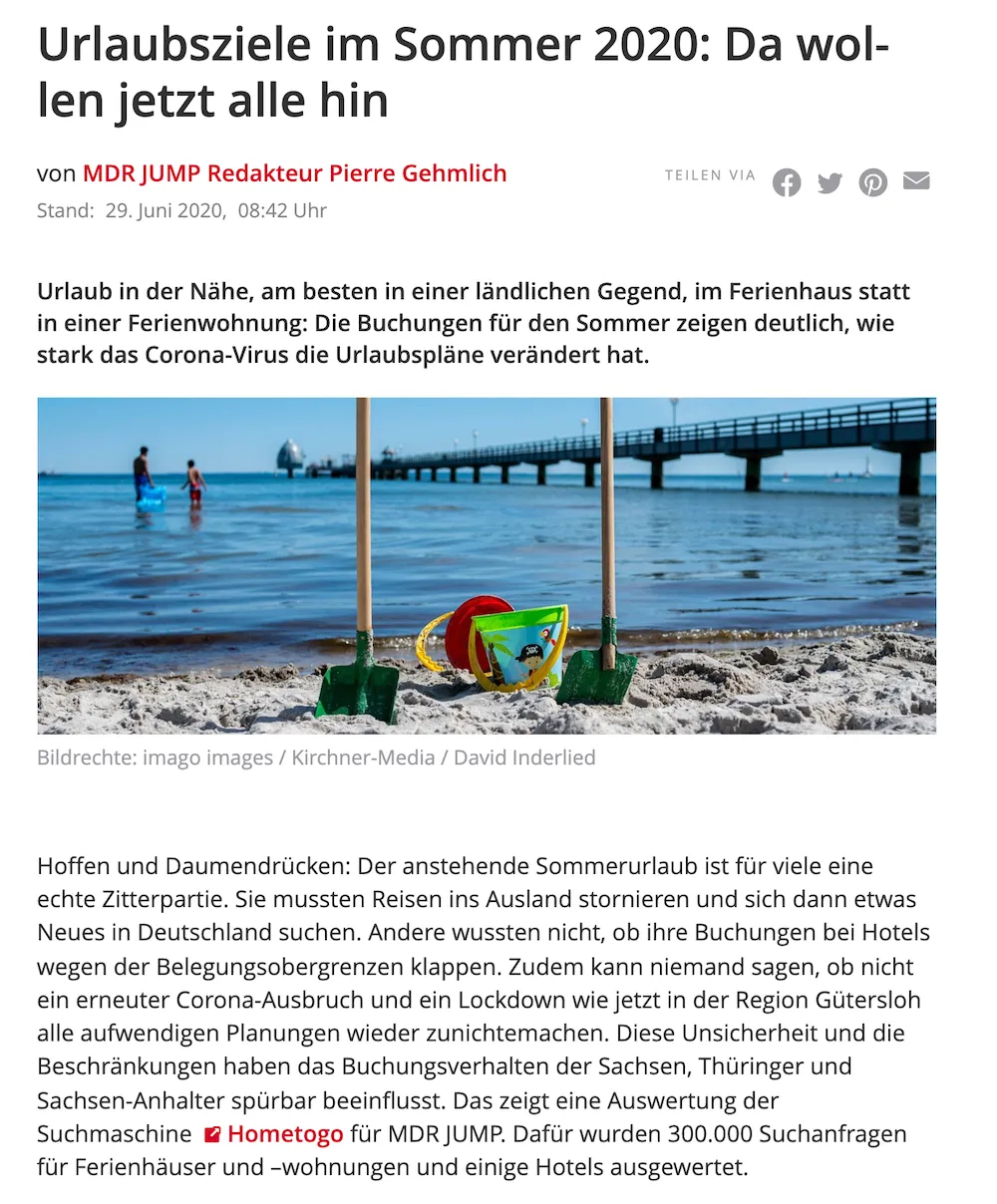
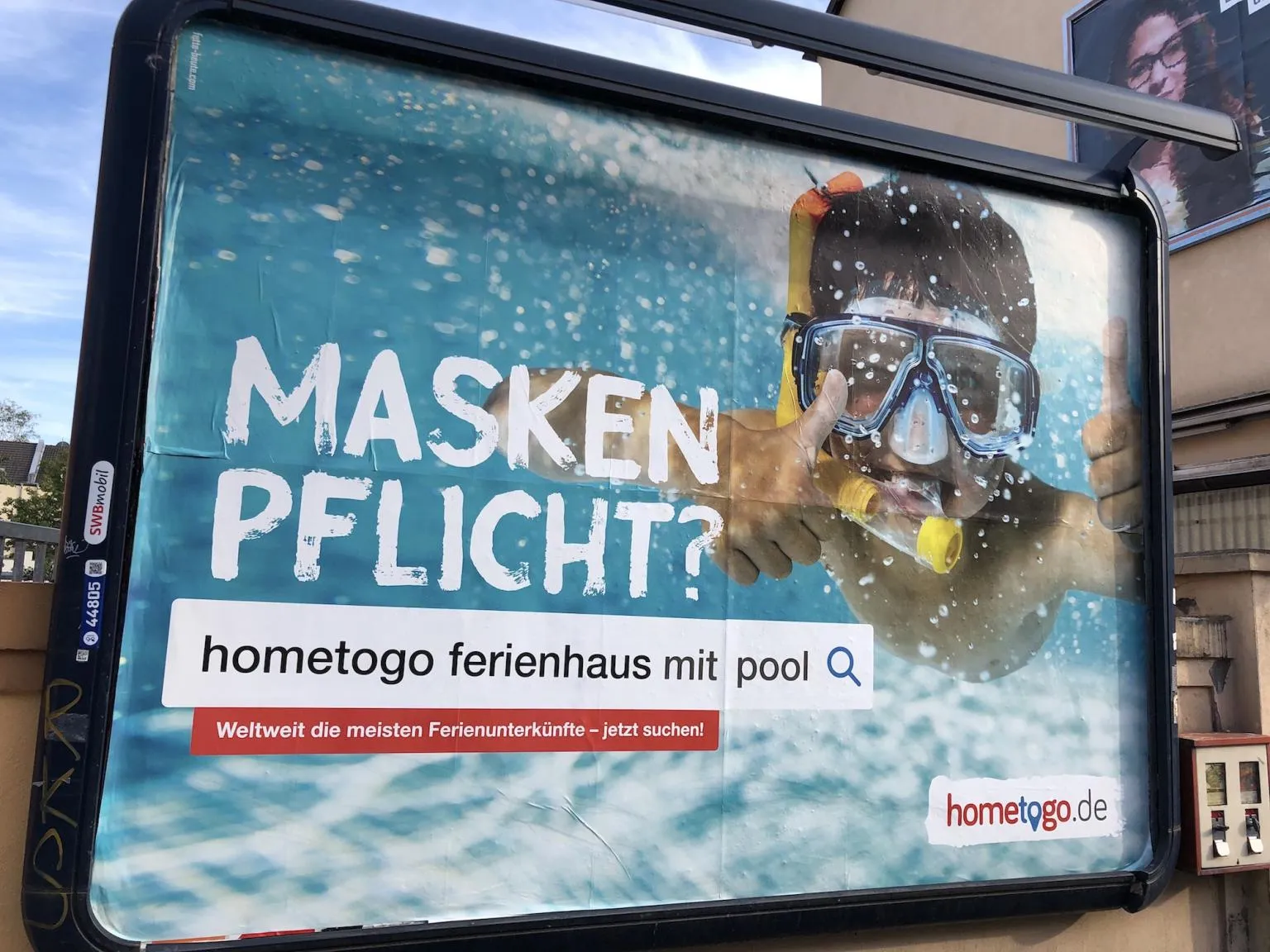
Home2Go is a platform for holiday apartments. The SEO team is part of a larger inbound marketing team. SEO, content, and PR specialists work there together.
The platform has a data-driven PR approach. It evaluates millions of search queries on the platform and generates press releases from them. It is content with added value, which is picked up by numerous leading media. That leads to mentions and high-quality links, and thus to clear ranking signals for Google.
Second example: a poster and TV campaign that activates people to search for the platform in combination with certain holiday terms and places.
That leads to so-called “brand searches”, which signal to Google that the platform is relevant for a certain term or place. So anyone who enters the generic main term “Ferienwohnung” (which more than 180,000 people do every month) sees the platform in the top results, because Google recognizes from the search patterns that the platform is searched for in combination with this term.
It is an example that shows how important it is to mix classic PR with new digital approaches. The team thinks a lot about how it sends positive signals to Google. At the same time, the publications in the classic media are of course a value in themselves. Sustainable relationships with multipliers are maintained.
We talked about that with the Head of Inbound Marketing in our podcast.
Example 2 of digital PR: a fitting content service
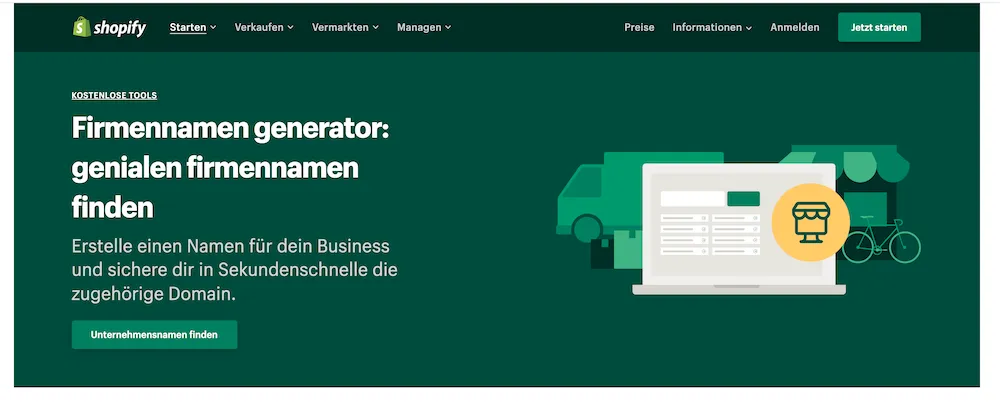
Shopify is a globally known e-commerce platform. Companies can use it to set up their own online shop.
The company has a very specific content service: a tool with which entrepreneurs and companies can generate a name for their firm.
Background: anyone who founds a company needs a name at the start. Afterwards, of course, a website too, and often an online shop as well.
You pick users up at an early point in their customer journey. And you help them find a fitting name that, if the company holds its own in the market, exists for a whole lifetime.
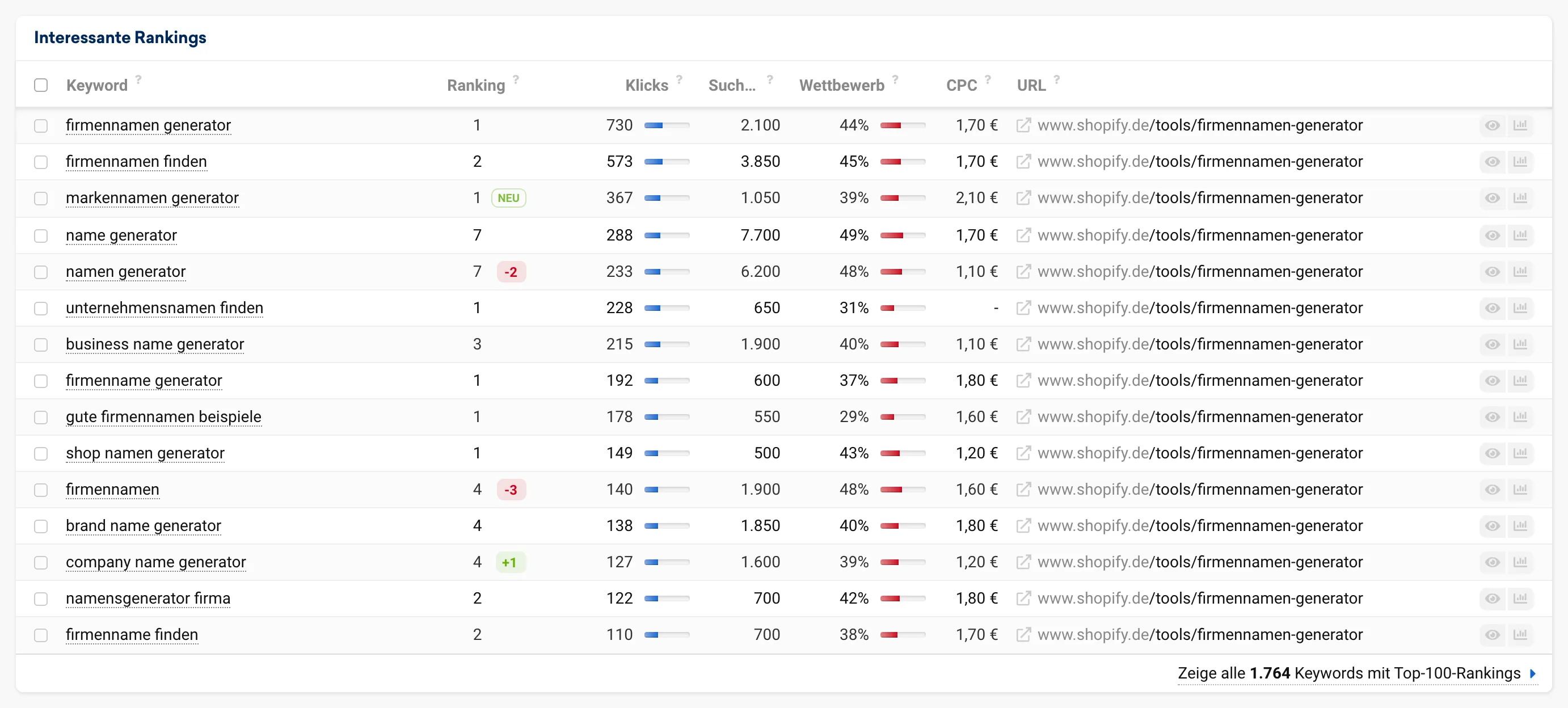
The tool generates backlinks, and on top of that it has a very interesting SEO twist: behind it is the approach that people search for “Firmenname”. The chart from the SEO tool Sistrix shows this in excerpt.
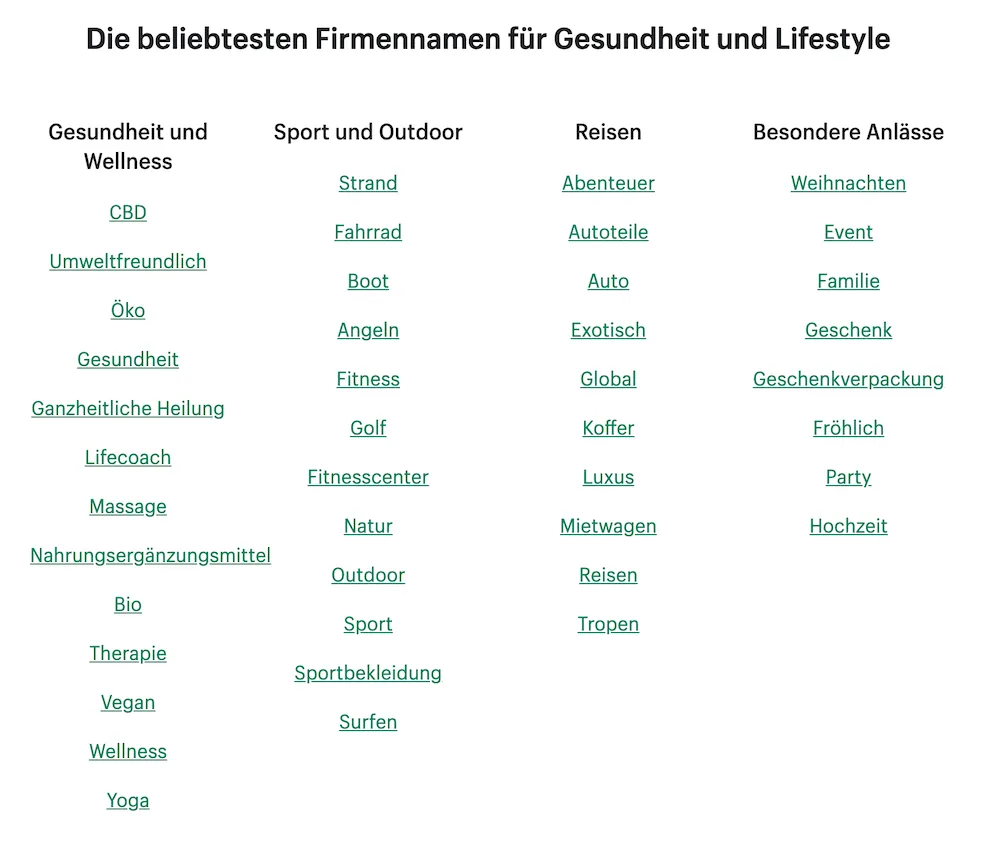
In the lower area, numerous industry pages have been set up. This too has an SEO background: because the search term “Firmenname” is also searched in combination with numerous industries. In search engine optimization this is called mapping the taxonomy.
We talked with Shopify’s Director of SEO, Kevin Indig, here in our podcast. And here is an example of customer journey and SEO.
Example 3 of digital PR: an audience research tool as the basis
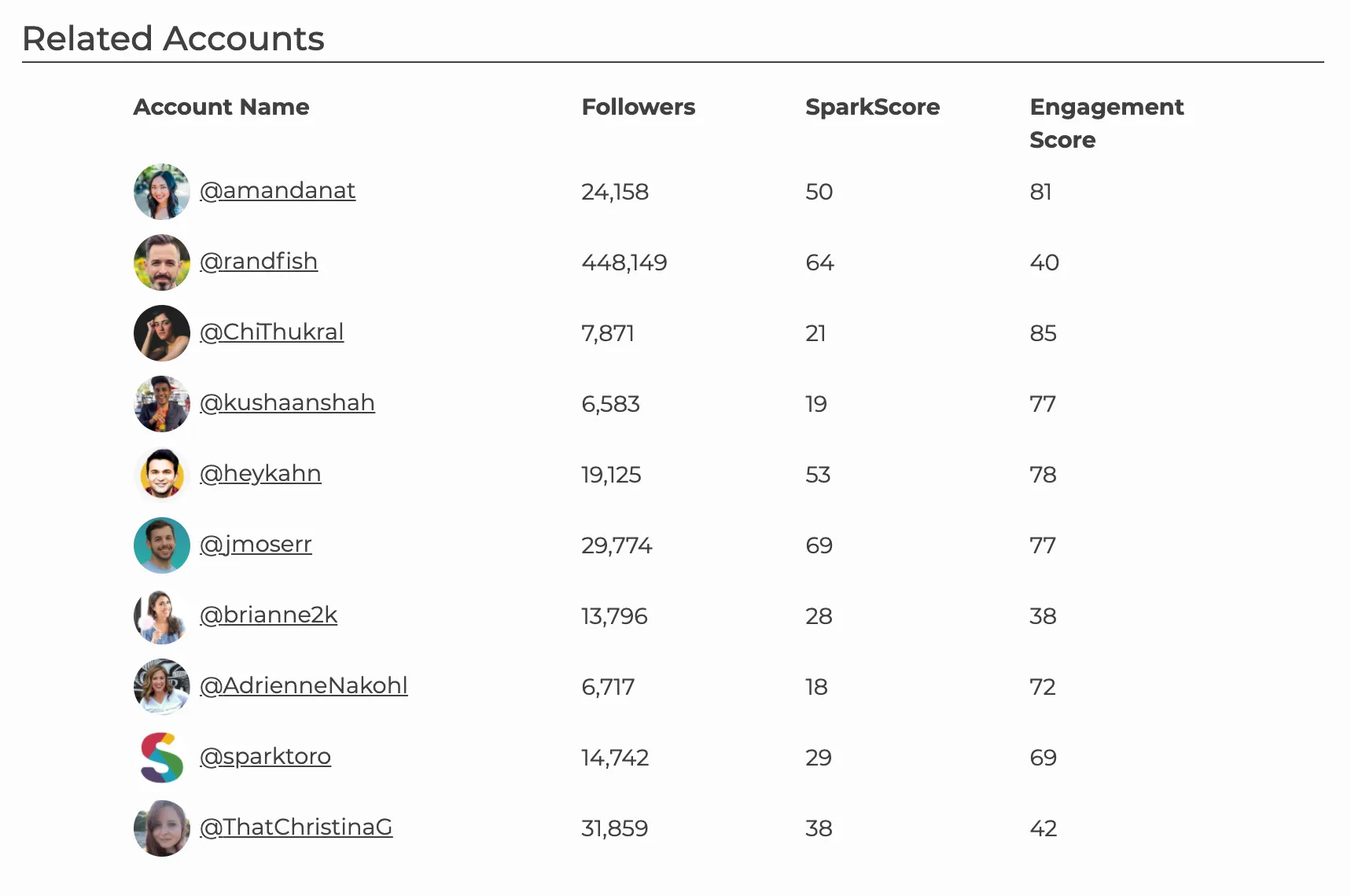

Screenshots from the tool. Copyright: Sparktoro
The common SEO tools are only of very limited use for digital relations. Because in the end they always analyze websites technically. They help with analyzing the content. But online PR, as discussed, is ultimately about building relationships with relevant people.
Common PR tools, by contrast, are in the end address databases with contacts for journalists. But in the digital space there are many more relevant contacts still.
The tool Sparktoro from the US takes a new path, developed by Rand Fishkin, an SEO expert who is very well known there. In this article his colleague Amanda Natividad, marketing architect at Sparktoro, describes how she uses the tool.
The summary: she researches relevant contacts with the tool, builds relationships through her personal channels, and then approaches individual contacts in a very targeted way. The result: an 80 percent success rate on “cold” requests. Which in the end are not cold at all, because you already know each other a little.
The specialist tool only has data for the US, and not yet for Europe or the German-speaking market. But it shows the path along which digital relations will develop.
We advise marketing leads on SEO
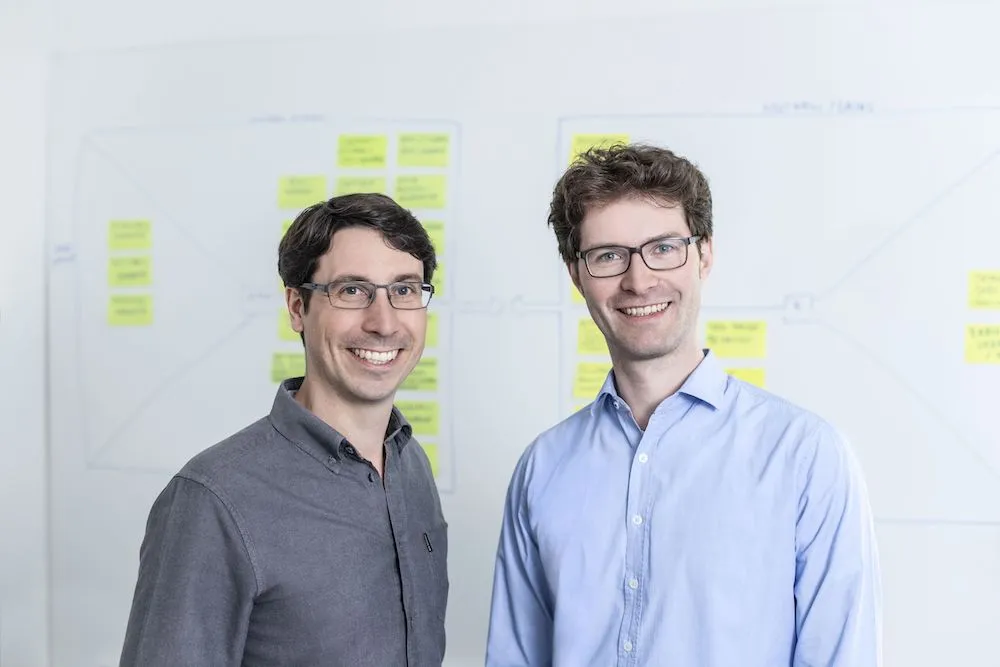
We are Fabian Jaeckert (on the right) and Benjamin O’Daniel. For many years we have advised mid-sized companies on how they get more visitors through Google and turn that traffic into inquiries and sales. So that the website becomes a measure that supports sales. Through high-quality content.
With Jaeckert O’Daniel, it quickly became clear to us that we had made an excellent choice in selecting potential partners for our online marketing project. Their expertise and, above all, their ambition to thoroughly immerse themselves in our specific industry topic to provide us with the best possible support, are precisely what is now propelling us forward.
 Tobias ReitmeierF.EE Group
PR managers and marketing managers have many projects on the table. They know that search engine optimization is relevant.
But the concrete implementation, above all the development of a well-founded SEO strategy, is very hard for them. The connection between SEO and digital relations is unknown to many of them as well.
That is exactly what we have specialized in. We develop SEO strategies for companies and present them to the people in charge in a structured and understandable way. Often we first develop a central keyword set, so that the terms are known in the first place.
Afterwards we accompany the in-house leads during implementation. As part of such SEO mentoring we also develop a dashboard, so there is a data-based foundation for discussions.
Because often, for example for content creation, many internal things have to be taken into account. For example in B2B SEO: companies in the B2B sector have complex projects that need a lot of explanation. Here you need internal subject expertise and, at the same time, a well-founded B2B SEO strategy.
At the same time it is especially important here that the content, which took a lot of effort to create, also yields as much as possible. Lasting SEO traffic is a value driver here.
Sound interesting? We can arrange an SEO intro call by video conference (30 min.).
How modern SEO and digital relations work: our podcast interviews


The SEO strategy of Reishunger.de: interview with Benni Uhlmann


Twice as visible as AirBnB: interview with Dominik Schwarz

Community management in companies: interview with Vivian Pein

How to build a successful startup: interview with Johannes Kliesch
How do I become a personal brand without crude advertising for myself? Interview with Kerstin Hoffmann