April 3, 2023Benjamin O’Daniel
Page 1 on Google: three things you should know
Getting onto page 1 on Google is what many people want when they start looking into search engine optimization. But page 1 can mean many things.
That is why we explain in the podcast how the Google search results on the first page are actually built, and what they depend on.
We talk about these three things:
- For which keyword on page 1
- With which URL on page 1
- In which position on page 1
To make it concrete, we explain it with a specific example and the matching screenshots from a professional SEO tool (Sistrix).
By the way: in our SEO Academy you can learn SEO in a very concrete way, with tutorial videos and monthly online workshops. We always work from examples.
How do I get onto the first page of Google?
The difference from Google Ads
You get onto page 1, or into the top positions, in two ways: through Google Ads, Google’s advertising system, where you pay per click. More here on experience with Google Ads. Or through search engine optimization (SEO), meaning the search results below the ads, where you do not have to pay per click. You can earn positions here through good work. But there is no guarantee of SEO visibility.
A common promise
“We’ll get you onto page 1” is a common promise from SEO service providers. It sounds good. In practice it can mean a great many things. One essential difference: brand search and non-brand search. Brand search means search terms entered in combination with the company name. Non-brand search is real SEO, because here you target users who are looking for a solution and do not name a company yet.
It is about thousands of keywords
When people ask how to get onto the first page of Google, the people in charge often have only a few terms in mind. They are often very general search words. In SEO, though, the craft is that your website ranks for hundreds and thousands of search terms, and that you get very relevant SEO traffic through that mass of Google rankings. This SEO visibility can be shown with professional SEO tools, as we demonstrate with the following example.
SEO strategies, tips, and webinars: through our newsletter

Page 1 on Google: with which keyword?
A website can rank at the top of Google for tens of thousands of keywords. So the question is always which terms are the relevant ones you want to rank for.
In general: one-word search terms have a very high search volume. With two-word search terms, the search volume gets smaller.
The one-word search terms are extremely contested. Here, professional SEO managers often work for years to get onto the first page of Google, and to stay there.
In the long tail, meaning the multi-word terms, you can reach page 1 faster, and also the top positions there. More here on how long SEO takes, using an example.
But long-tail keywords can be highly contested too. Especially the so-called transactional search terms, which sit close to the purchase in the customer journey.
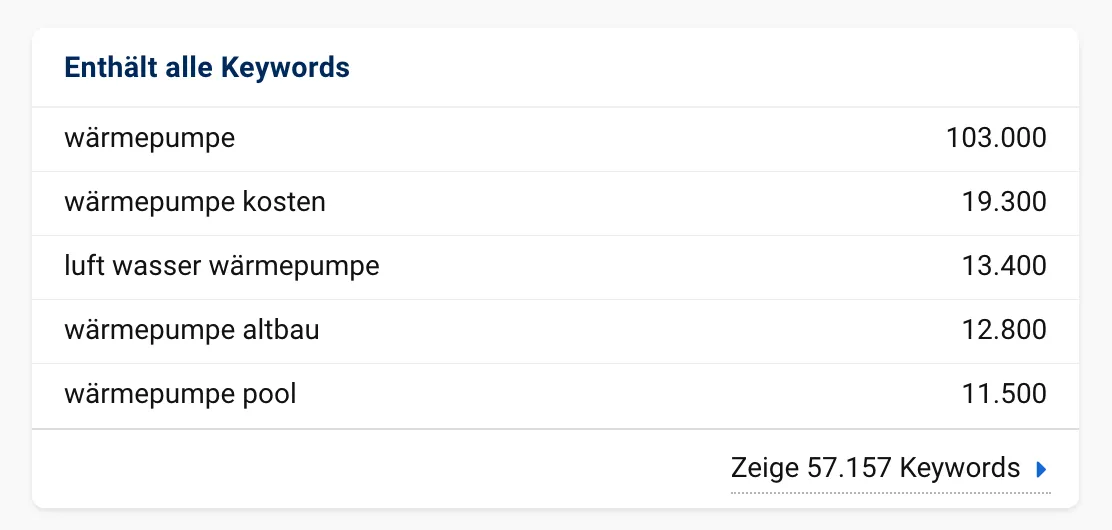
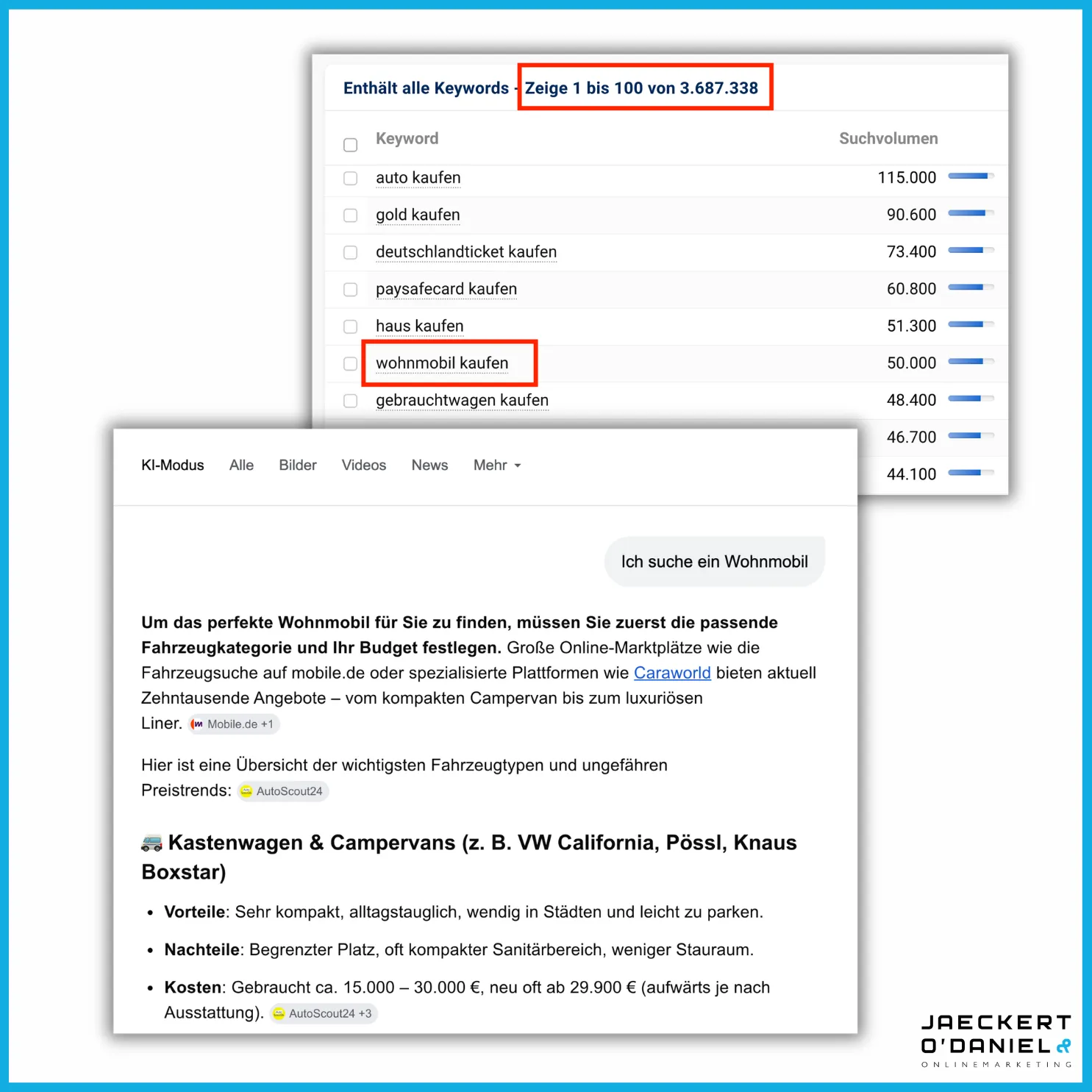
Here is an example of a one-word search term with a six-digit search volume, and two-word search terms with a four-digit search volume. The long-tail terms sit among the more than 50,000 further keywords that exist around this word stem alone. We often discuss examples like this in our SEO training as well.
Page 1 on Google: in which position?
In general: only on the first page of Google do you get relevant traffic to your website. But the position on page 1 also makes a big difference.
If you are in position 1, you receive on average around 15 to 20 percent of all searches. From position 3 onward, the clicks you usually receive drop quickly.
The reverse is also true: if a single article ranks for hundreds of search terms, a great deal of traffic arrives through that volume.
Being on Google page 1 is therefore not yet the end of the work. It is a milestone on the way to the top position.
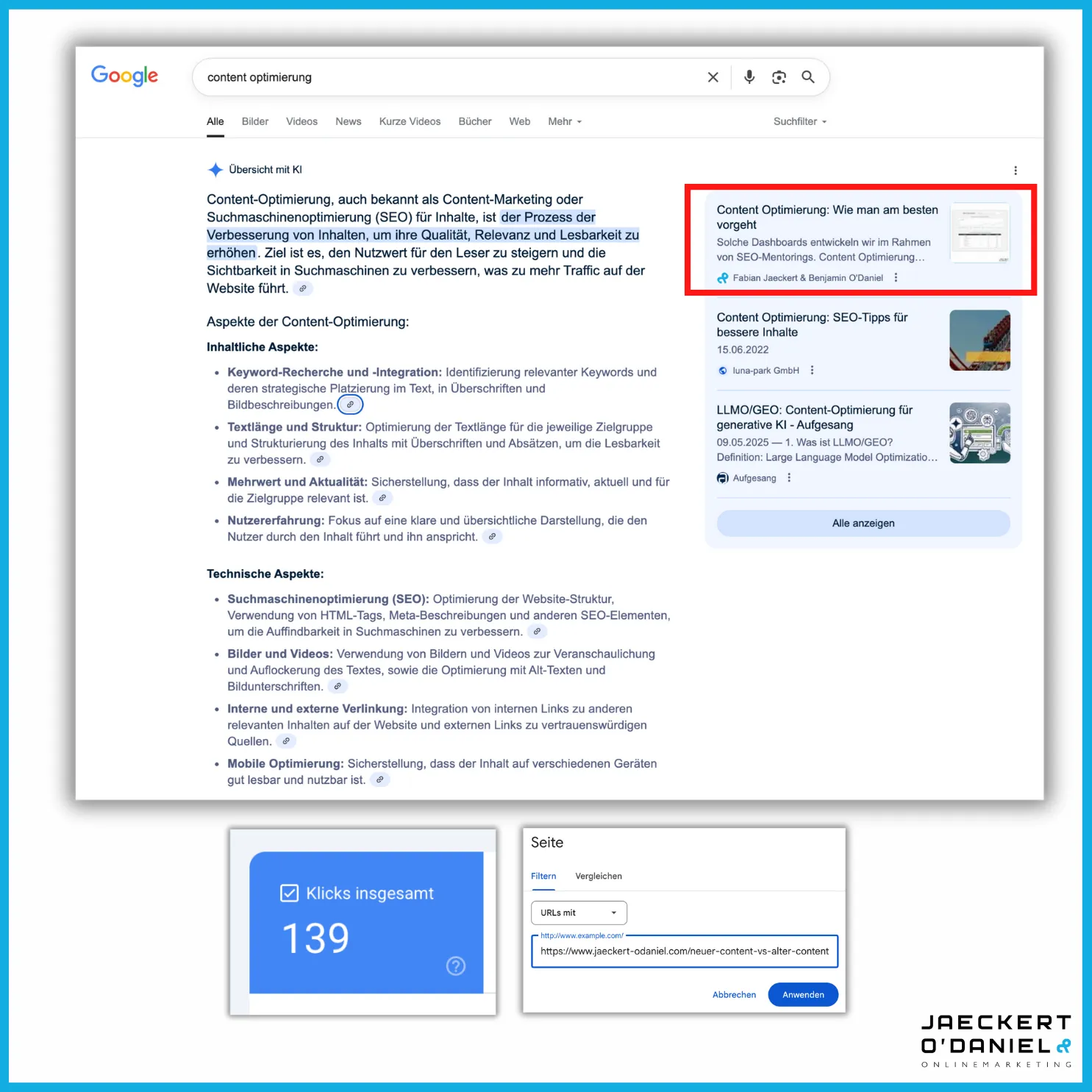
If an article, or more generally a URL, stagnates in the rankings, for example on the first page in positions 5 to 10, you should look at content optimization.
Sometimes a few adjustments are enough, and they can already achieve a lot. For example, work on the h1 and h2 headings.
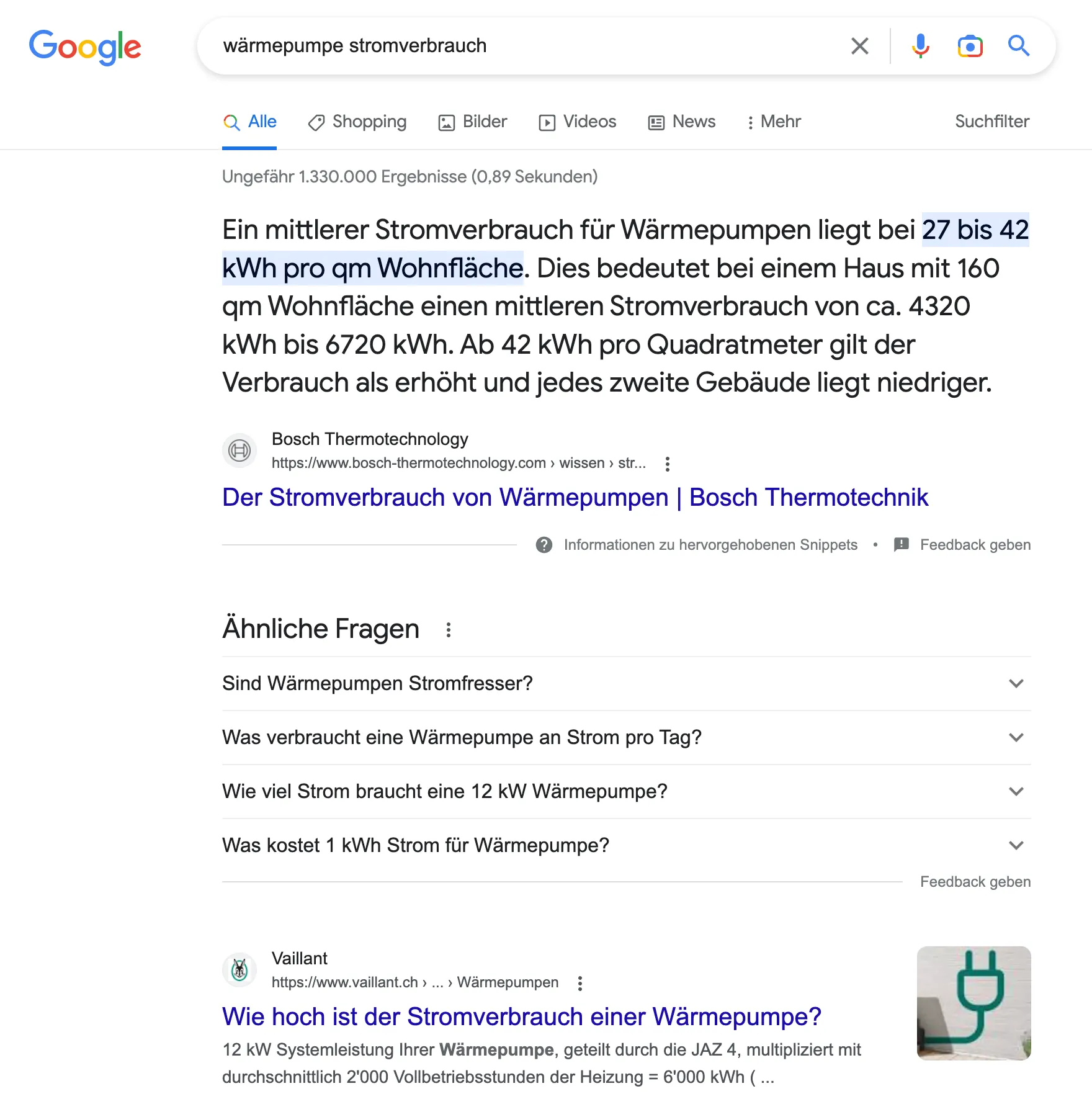
In this example, a guide text for the specific search term is in position 1. There it occupies the so-called “featured snippet”, a highlighted result that often accounts for a great many clicks.
A Google page 1 position: but with which URL?
If you look more closely at the results on the first page of Google, you see this: depending on the search term, different URLs, meaning subpages, are on page 1.
For transactional keywords you find, for example, category pages of online shops. For more informational searches, guides are often at the top, for example in the form of topic pages, online magazines, or glossaries.
Often the search results are mixed, though. Both shop pages and guide formats are at the top.
You have to plan clearly which subpage you want to rank with, and for which search terms. More here on planning the website structure.
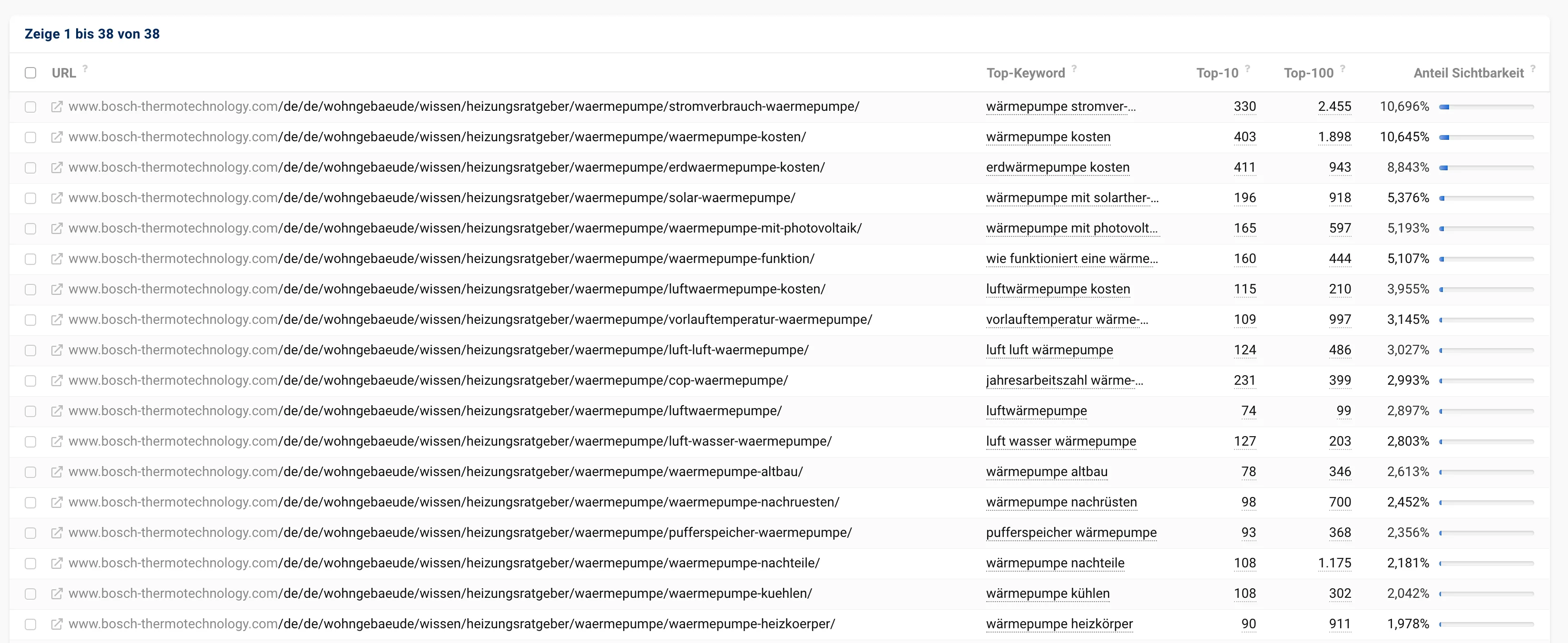
The example we discuss in the podcast episode shows this: the company ranks on the first page of Google with a whole series of guide texts, each for very specific keywords around one topic area. This is called a content hub.
We advise marketing leads on SEO
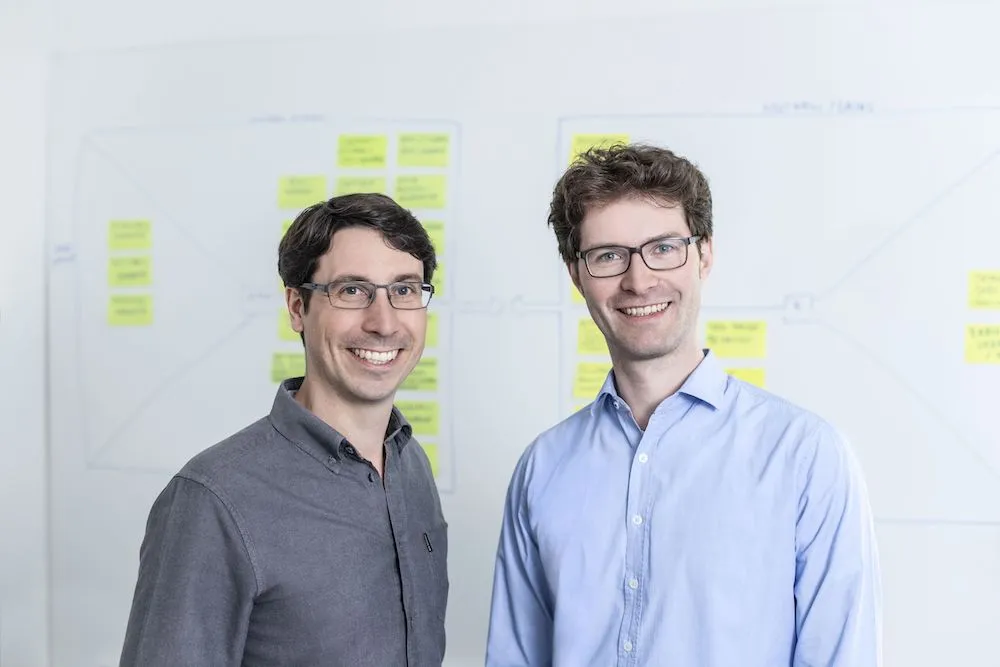
We are Fabian Jaeckert (on the right) and Benjamin O’Daniel. For many years we have advised mid-sized companies on how to get more visitors through Google and turn that traffic into inquiries and sales, so that the website becomes a measure that supports sales. Through high-quality content.
The “SEO Mentoring” format is perfect for me. I have been working project-specifically with both of them for three years now and have been able to learn and benefit a great deal “on the fly”. With SEO Mentoring, I can address my concerns very specifically and efficiently in advance and receive tailor-made answers to my questions in numerous areas (SEO, technology, best practice, etc.) during the workshop. Additionally, I gain valuable suggestions and practical examples based on their numerous interview guests and experiences. I receive the workshop results afterwards in the form of the workshop recording and a mind map, which then assist me with implementation.
 Markus EberhardManaging Director, FineSolutions Customs Consulting
Marketing managers have many projects on the table. They know that search engine optimization is relevant. But the concrete implementation, above all developing a solid SEO strategy, is very hard for them.
That is exactly what we have specialized in.
We develop SEO strategies for companies and present them to the people in charge in a structured and understandable way. We then support the in-house leads in the implementation, so they get onto the first page of Google.
Sound interesting? We can arrange a 30-minute SEO intro call by video.
Interviews: these professionals make sure their companies are on page 1 very often
How user testing works: Interview with Astrid Kramer on UX and SEO

SEO for a software company: Interview with Beat Köck

How Reishunger uses its SEO traffic: Interview with Benni Uhlmann
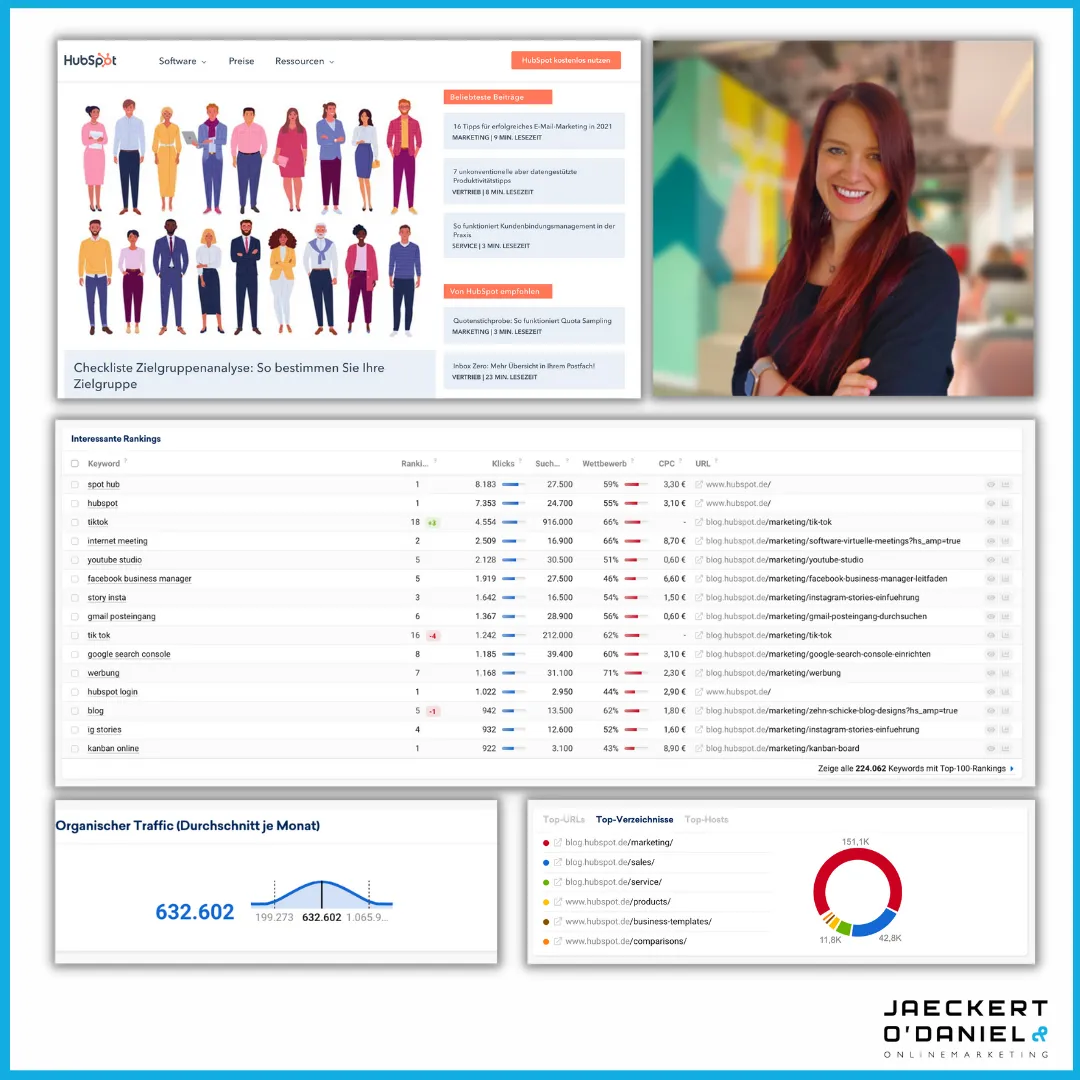
Hubspot's SEO strategy: Interview with Jenny Lapp

SEO as a growth strategy: Interview with Kevin Indig

SEO quality assurance: How to protect your rankings. Interview with Gianna Brachetti-Truskawa
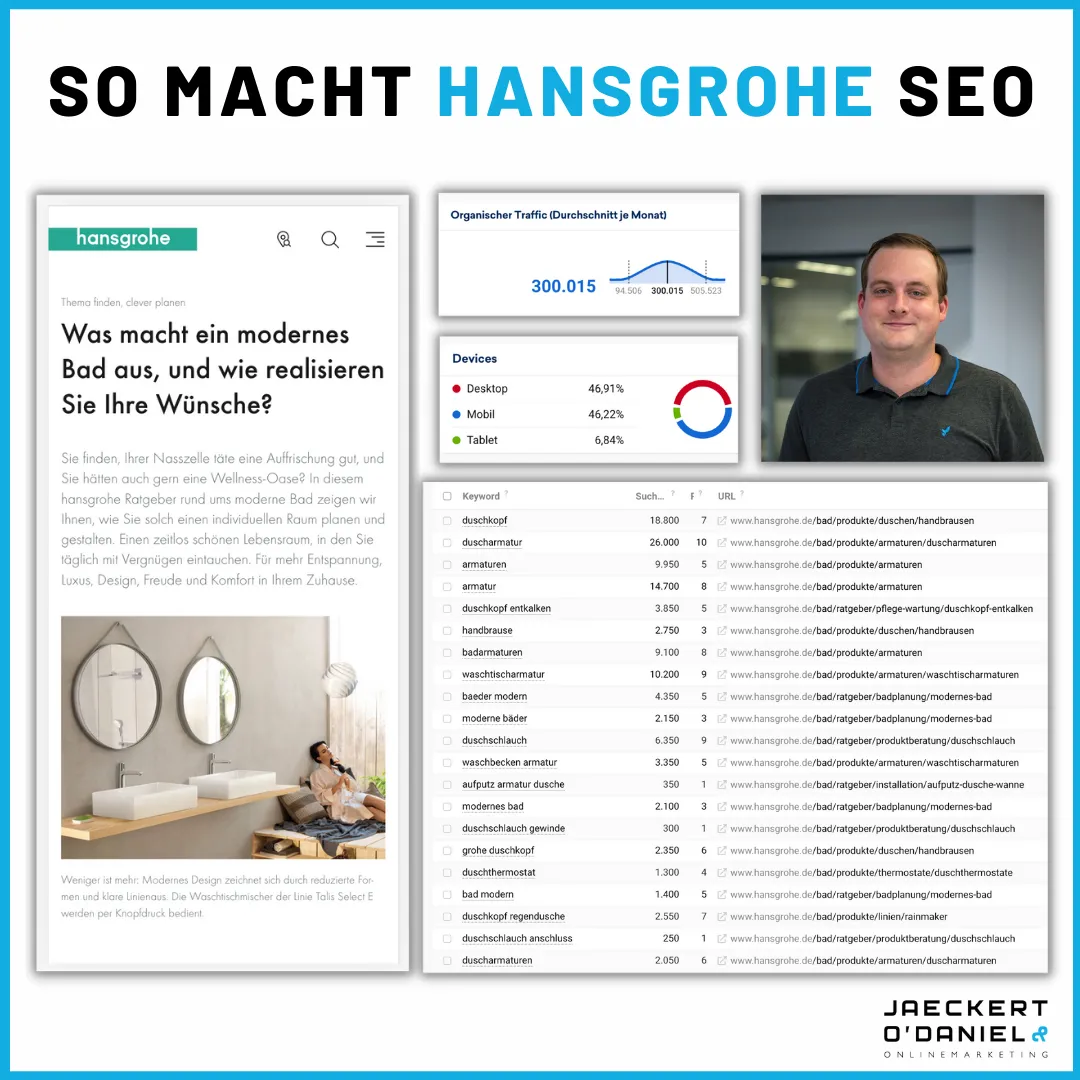
How Hansgrohe does SEO in 40 countries: Interview with Jörg Niethammer
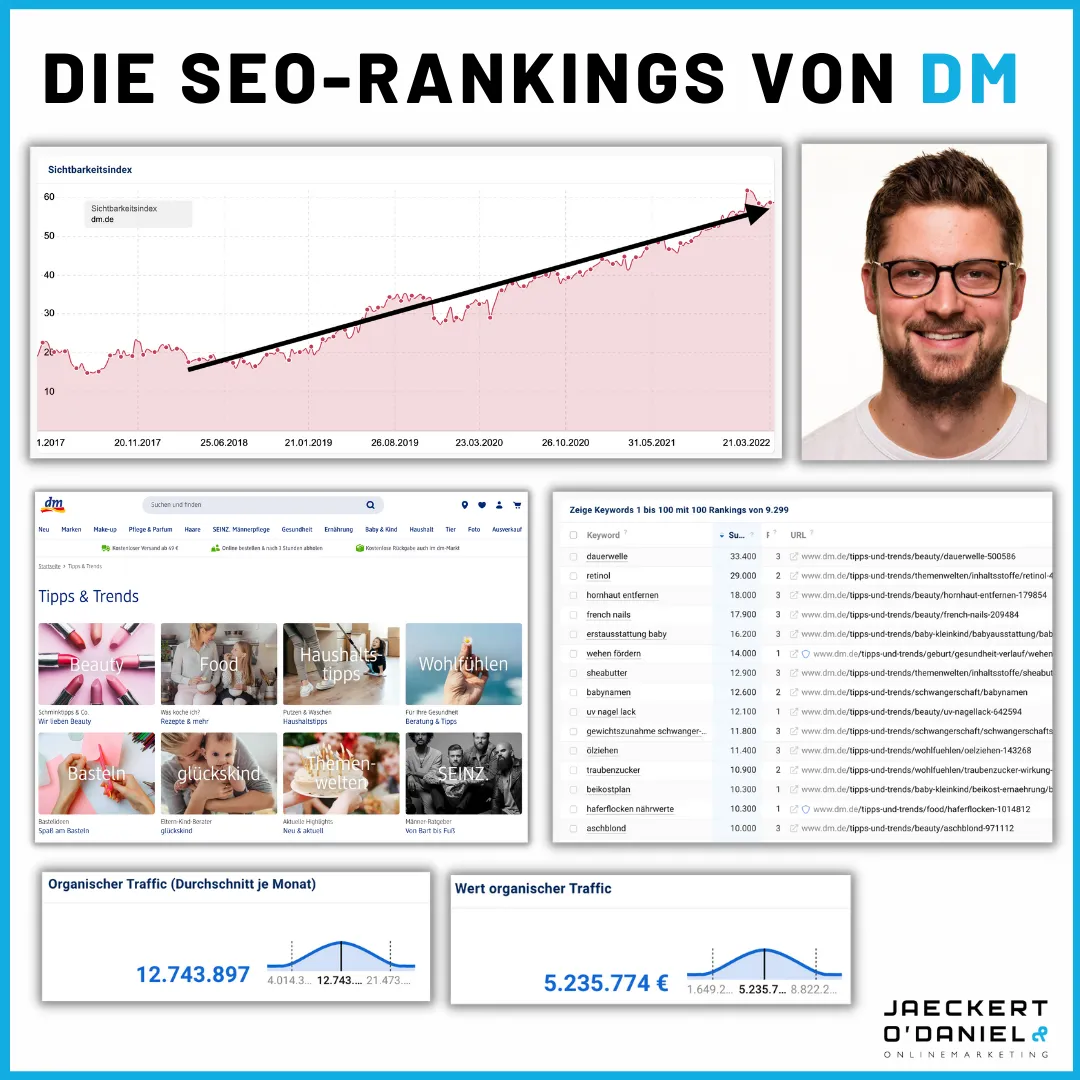
How dm increases its SEO visibility: Interview with Philipp Hassinger