

How can we technically optimize our website for increased AI visibility? This is a question many SEO and marketing managers are currently asking.
Numerous suggestions are being discussed: from Schema markup to new Robots.txt files. But what truly makes a difference?
We, Fabian Jaeckert and Benjamin O’Daniel, discussed this in this podcast episode.
Our perspective: In GEO (Generative Engine Optimization), the same measures as in SEO do not automatically apply. Simply continuing as before will not work. It is a new technology that functions differently in some aspects. One should carefully examine what is effective and what is not, and what new evaluations and measures are necessary.


What is Technical Optimization in GEO?
Technical GEO encompasses all measures that increase visibility and relevance in AI systems. It is an emerging field. Many SEO experts are currently approaching this topic, conducting analyses and tests.
The basis for this is that AI systems are trained on website content and “ground”. They thus use the internet as a source and access search engines and websites for this purpose – for example, to retrieve current information. ChatGPT, for instance, answers more questions from its pure language model. Google’s AI Mode grounds for every AI response.
What they have in common is that AI systems and their crawlers access websites in different ways and at varying frequencies. This is the foundation for technical GEO measures. The goal is that the website can be used as a source by AI models at the right moment. For example, to mention a brand, recommend a specific product, or train their models with our content.
At the same time, the question arises whether all common technical SEO measures are truly promising in the AI environment. Whether new measures are necessary – and if so, which ones. Here, the typical expert answer applies: “It depends.”

What Do Schema Markups Offer?
Another measure that many are currently focusing on: They are updating or expanding their Schema markup. For example, FAQ Markup, Organization Markup, or Article Markup. The idea behind this is to make it “as easy as possible” for AI systems to understand and utilize the content. The motto: “It can’t hurt.”
However, a legitimate question is also: If it doesn’t yield results, why should we do it? After all, every SEO measure involves effort and costs. There are also arguments suggesting it does not yield results. Because AI systems function differently from search engines. Simply put: For a language model, everything consists of text. It breaks down all information into small building blocks. It does not require Schema markup for this. This was precisely revealed in this recent study: Structured data does not lead to more mentions in AI systems.
First and foremost, relevant information must be available – specifically, the information users search for in AI systems. For this, a GEO strategy is required. Key question: For which prompts are we visible, and to what extent? Do we offer suitable content for this?
This goes far beyond mere markup. In the next step, this information must be easily retrievable. However, a common article or a landing page is sufficient here.
What is the Benefit of an LLMS.Txt File?
Another measure that is widely discussed: Do we need a new robots.txt file? The robots.txt is a text file in a website’s root directory that provides instructions to search engine crawlers about which pages or areas they are allowed or not allowed to crawl. It thus serves to control crawling.
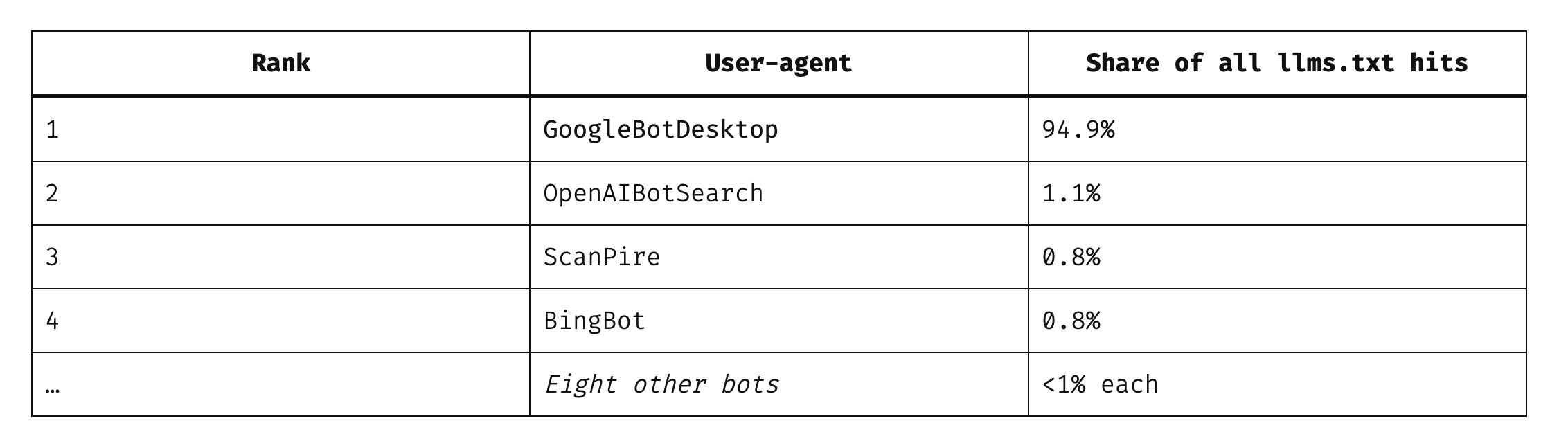
Meanwhile, numerous AI crawlers also access websites (here is our logfile analysis on AI crawlers). This raises the question of whether these new AI crawlers can be controlled by new instructions. In this analysis, 1000 domains were examined for 30 days to see if crawlers accessed a new LLMS file. Result: The AI bots do not access such a file. Therefore, such a measure does not help control the crawlers.
Free GEO Online Training
- Current Developments in AI Visibility
- From SEO to GEO
- How to Optimize for AI Systems

What is Required for ChatGPT Atlas?
OpenAI has developed its own browser: ChatGPT Atlas. OpenAI thus closes a “media discontinuity” in AI usage.
Previously, one was always in an AI app. From the AI chat, users would eventually switch to another browser tab, to Google, or to specific websites. A URL also always had to be retrieved “manually.” This media discontinuity is now eliminated. Websites are opened directly in the browser.
In ChatGPT Atlas, users can “apply” their own agents to, for example, book things or make inquiries. Agents are the new users. AI retrieves websites, analyzes them, and interacts with them. This has technical consequences: Are the control elements accessible? Can the agent interact with your JavaScript? How fast does the website load? These technical aspects will be central to whether one generates AI leads and sales.
Here is the information from OpenAI and our assessment as GEO & LLMO consultants (Fabian Jaeckert’s post and Benjamin O’Daniel’s post).

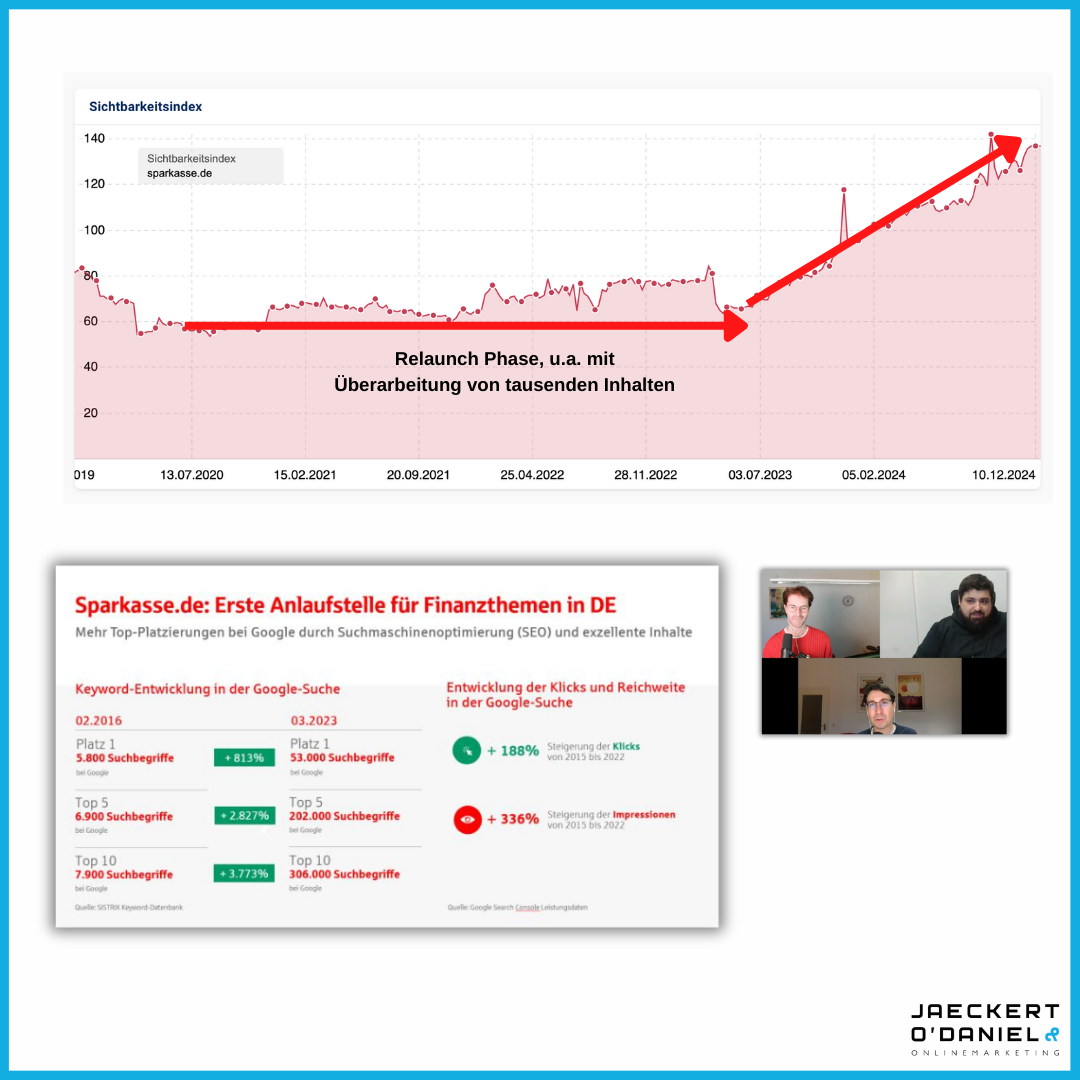
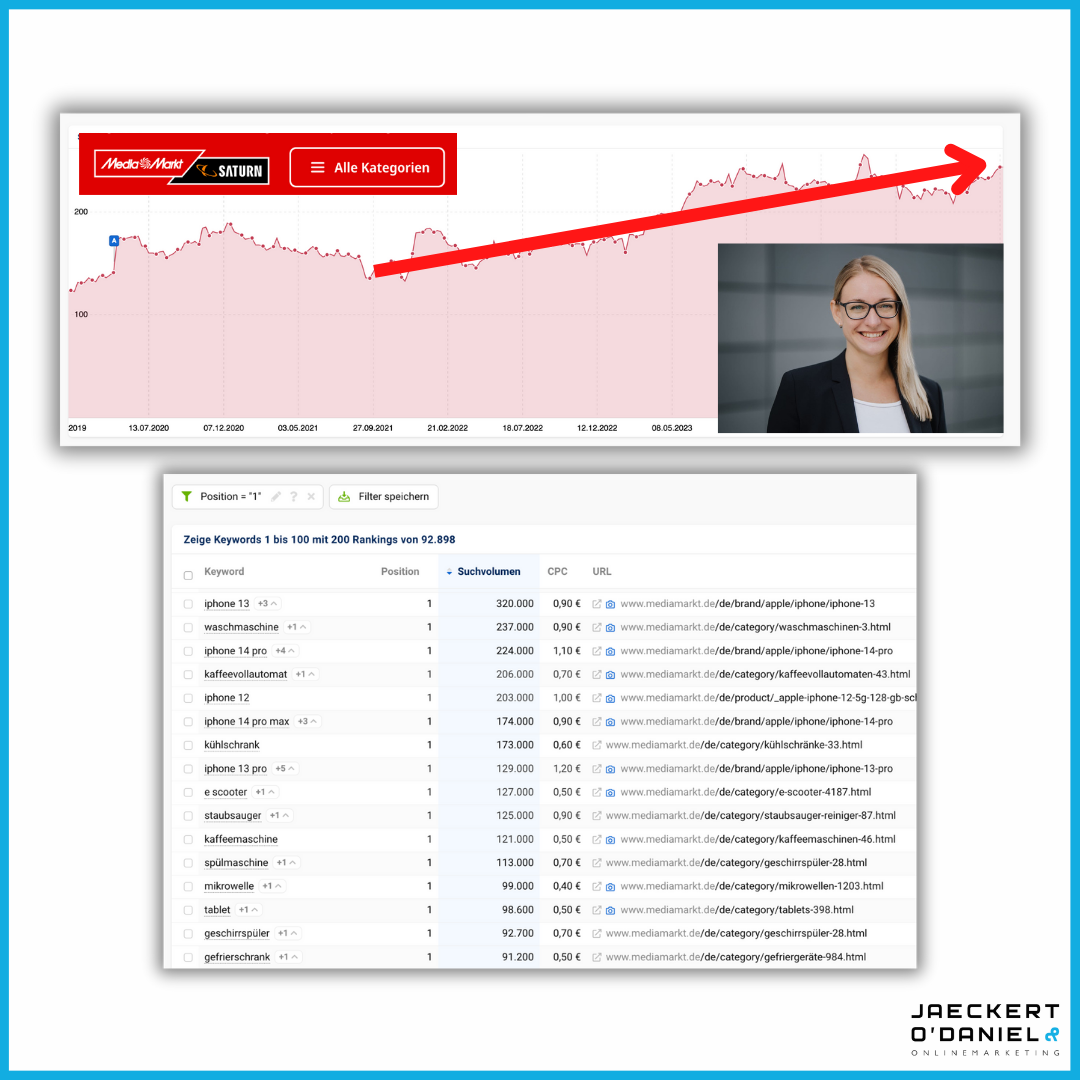
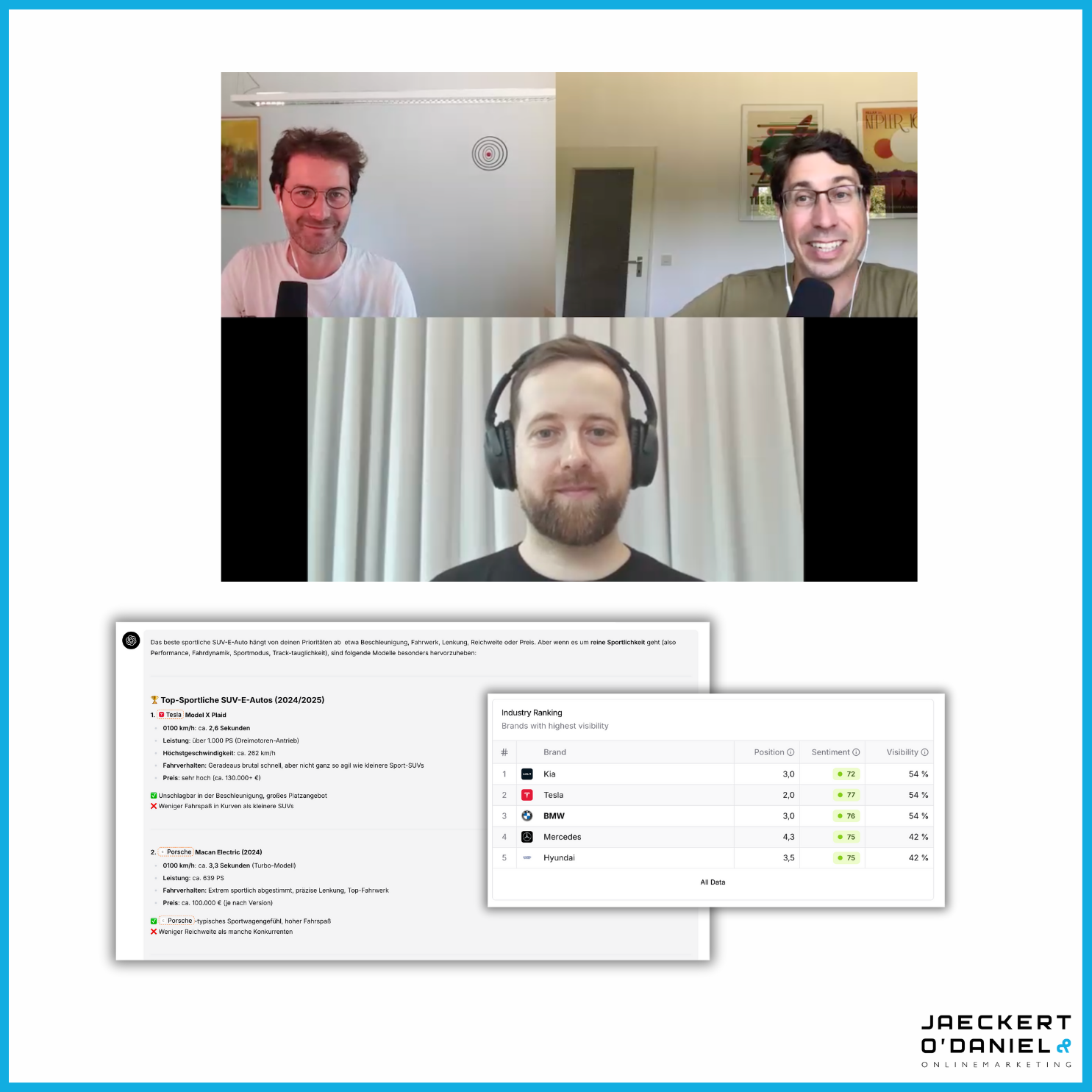
Our Conversations with SEO and GEO Professionals


Deepen your GEO Knowledge: Every Monday via Email
We Advise Marketing Managers on SEO & GEO
For anyone seeking an SEO sparring partner or comprehensive SEO consulting, Fabian and Benjamin are the perfect choice. As an in-house SEO expert, I sought competent SEO support and found it with them. During a very pleasant introductory meeting, we jointly developed an approach to establish SEO among the individual stakeholders and thereby gain more internal visibility for the subject. Based on this initial discussion and a joint kick-off with the stakeholders, they developed a sound SEO and content strategy for a product area. Since then, they have both supported me as sparring partners during implementation.
The collaboration with Fabian and Benjamin is a great pleasure for me and all project participants, as they are masters of their craft and bring immense passion for SEO. This combination is infectious and motivates everyone to achieve peak performance.

I look back with great satisfaction on the SEO project that we carried out with Benjamin and Fabian. Firstly, the collaboration was on a very pleasant, goal-oriented level. Secondly, the consultation was structured in such a way that we could immediately start with the implementation. We received very concrete optimization suggestions that were tailored to our internal capacities and therefore realistically implementable. Even though only a few months have passed, we can already see the first results of our work in the Google rankings. Traffic for our relevant keywords is steadily increasing, and we still have enough concrete work packages from Benjamin in the pipeline to boost our site. Furthermore, through the consultation, we have acquired so much internal SEO know-how that we can now optimize our site independently. And most importantly: Visitor numbers have doubled – with correspondingly positive effects on sales.