3 tips on how to combine SEO with GEO
SEO and GEO have many differences—but also similarities. When it comes to AI optimization, you can adopt a lot from SEO in terms of…

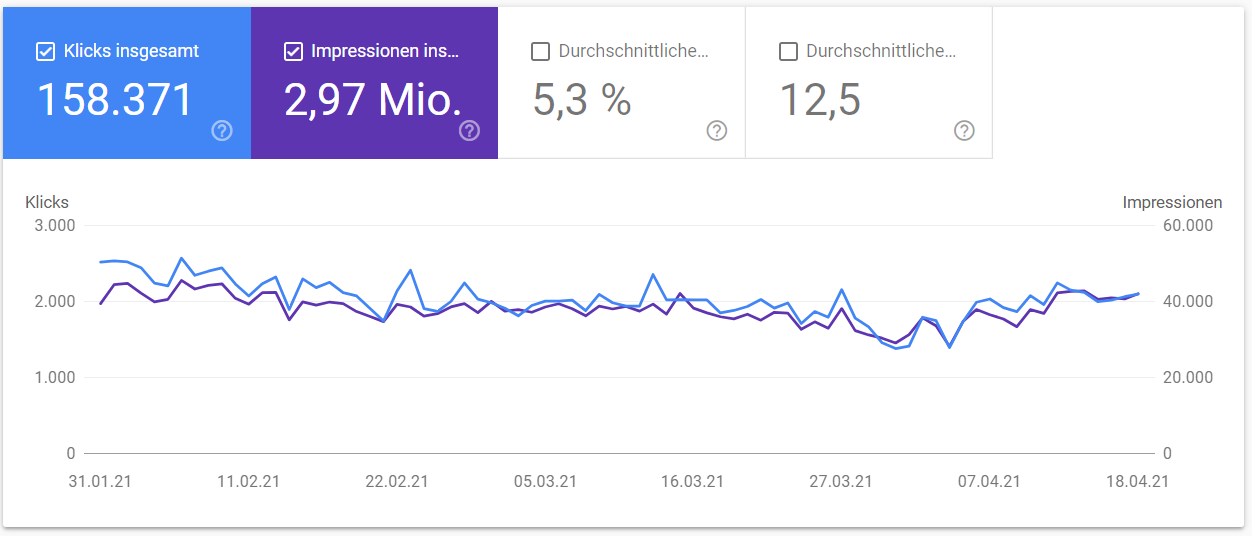
SEO consistently brings visitors to your website (Chart: Google Search Console)
The abbreviation “SEO” stands for search engine optimization. It is a discipline in online marketing that combines technical aspects with marketing and editorial content – and measurably brings more visitors and revenue to companies.
Successful search engine optimization relies on researching relevant search terms – in English, keywords – mapping them to the company’s website structure, and creating outstanding content. We describe this SEO process on these pages
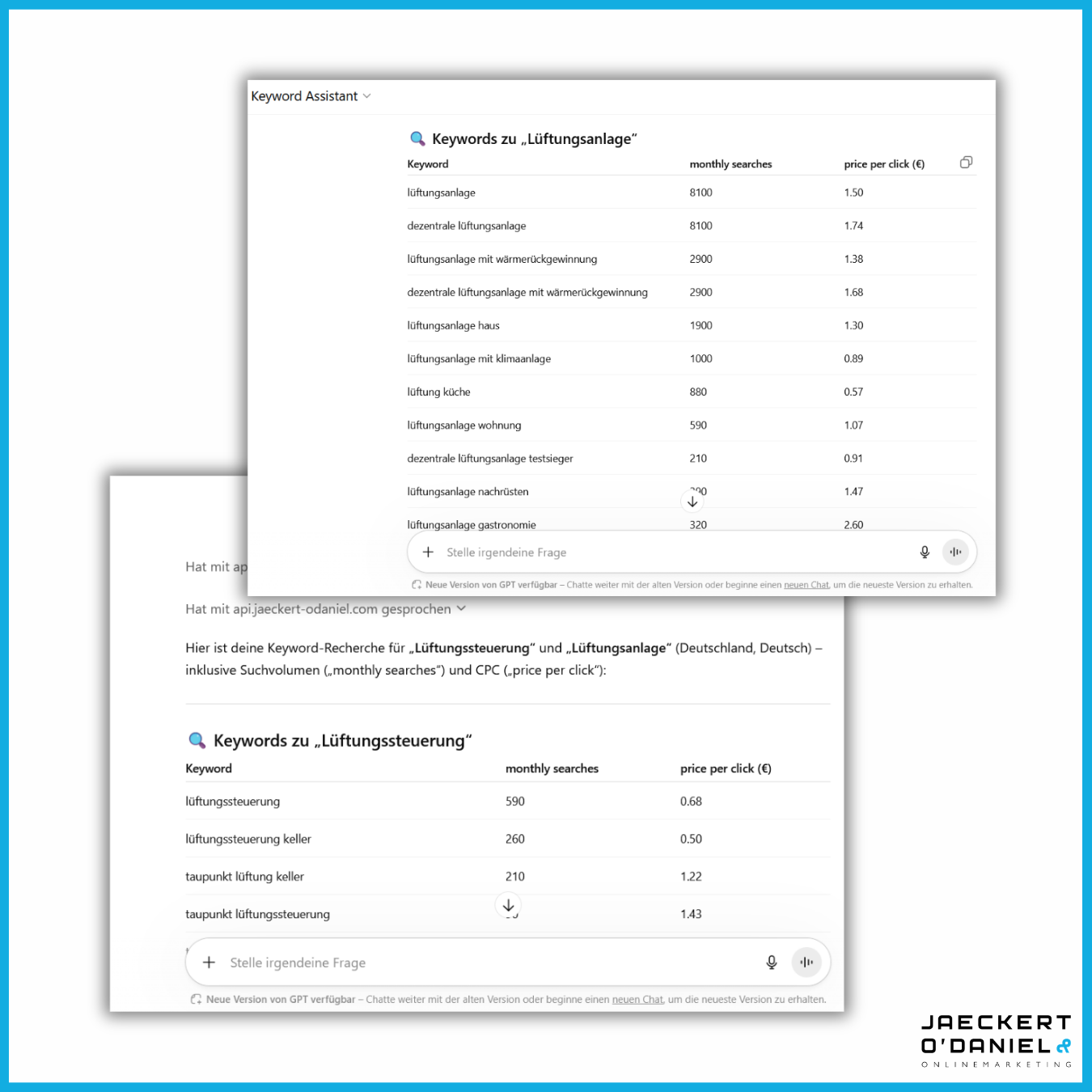
A keyword is a search term entered into Google. There are keywords that are entered into the search engine thousands of times per month. Other search terms are entered very rarely.
During keyword research, search terms are identified and organized. This is the first step in search engine optimization, as it helps companies understand which terms their customers are actually searching for.
Keyword research is extremely valuable because it allows you to create targeted content that is actually being searched for. This addresses an existing demand.
Here you can learn how we conduct keyword research and what experiences we have had with various keyword tools.

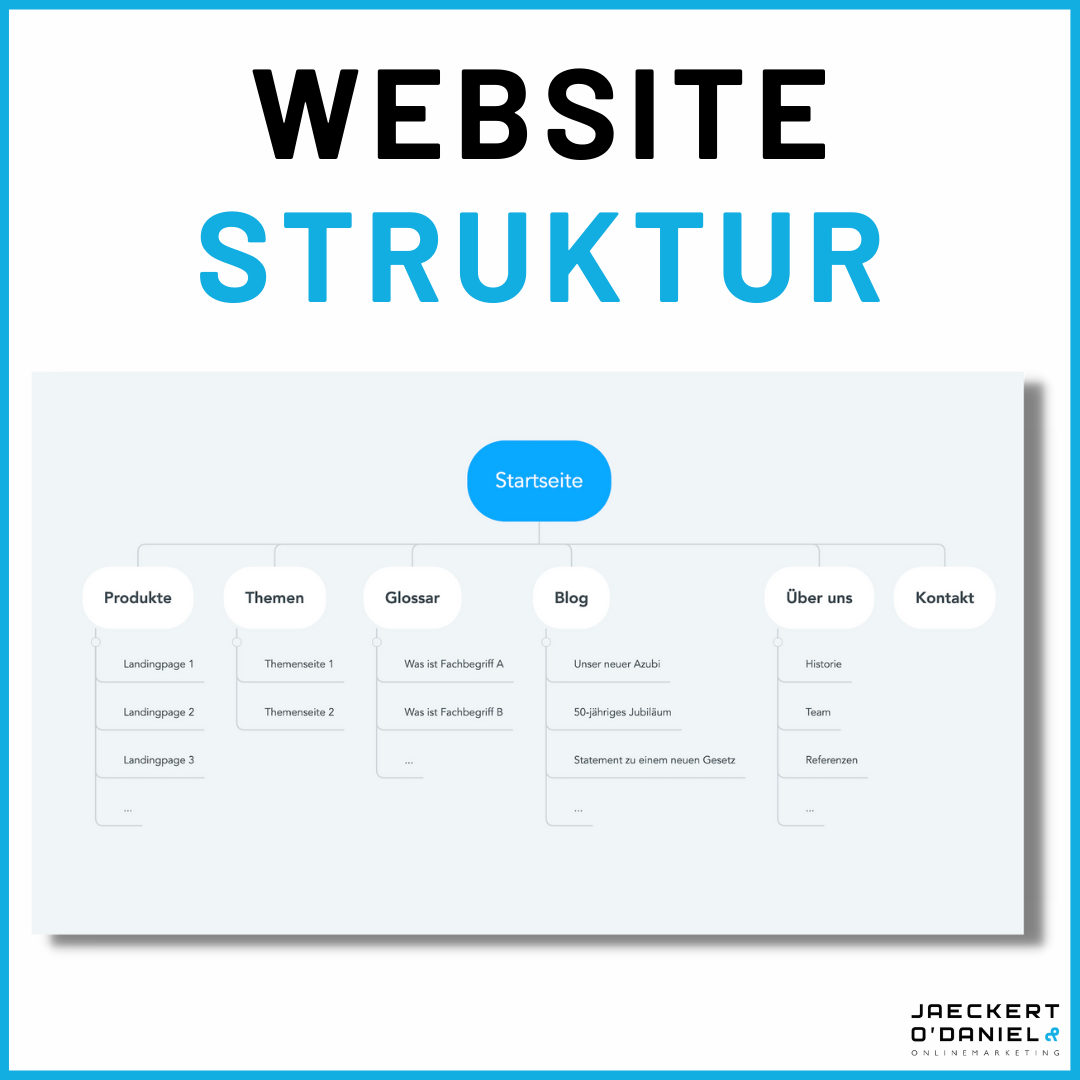
Website structure refers to the overall organization of an internet page. Every website has a hierarchy, which is reflected in its menu items or directories. Under each menu item, there are further subpages that should also be structured.
This is also where Search Engine Optimization (SEO) comes into play. The goal of SEO is to rank for specific search terms (keywords) and thereby generate more visitors, sales, or contact inquiries.
A main task in creating the website structure is to cluster these keywords into topics and decide at which level each individual topic should be visible. This determines the website’s layout. We explain how you can implement this for yourself here:
Behind every search query is a user. And they want a good result.
Unfortunately, the term SEO content is still associated with poor quality content. This stems from the outdated notion that website texts, images, and all other content are optimized only for search engines – and not for users.
However, search engine optimization and the importance of content have completely changed. The question marketing managers should ask themselves is: How can we create the best content for a specific search term or topic, and thus earn top positions in Google rankings? We discuss this on this page:

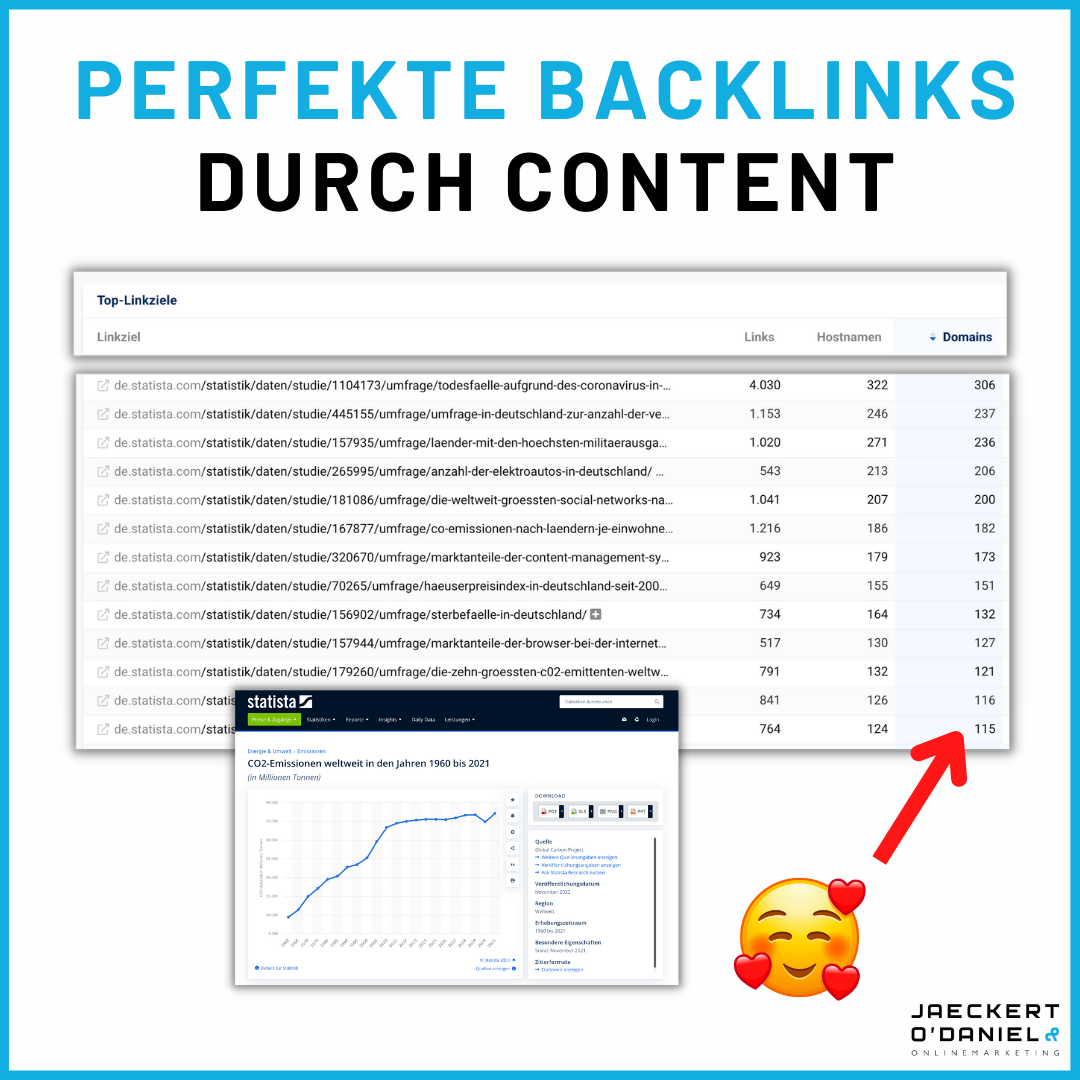
Backlinks are important for top rankings on Google. However, the methods and measures used in search engine optimization have become outdated. And this is where digital PR comes in.
Everyone knows those cheesy email link requests that we all immediately delete. Because simply no one links to unknown websites from unknown people. Well, maybe one in a hundred does. And that’s why we all receive these emails. Again and again.
The abbreviation “PR” contains the word “Relations,” which means relationship building. Some SEO pioneers combine clever content with a serious approach to relationship building. And through this, they generate truly valuable backlinks. We discuss how they did that here:
Technology is an important aspect of search engine optimization. Because if technical aspects of a website prevent or block ranking, every further SEO measure is doomed to fail.
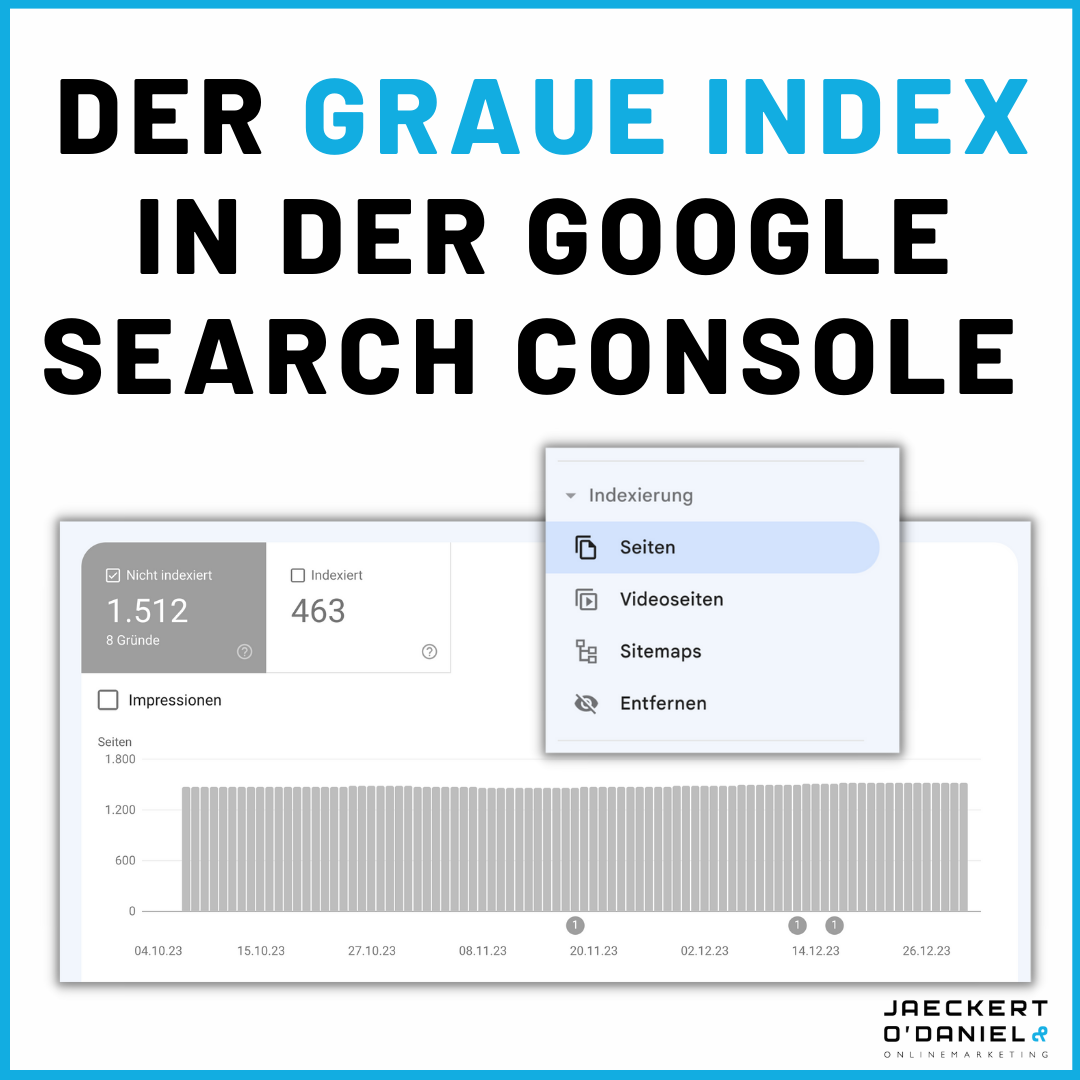
For example: Many websites have problems being indexed by Google. The search engine knows the pages – but doesn’t even include them in the index. The consequence: If pages are not indexed, they have no chance of ranking and therefore cannot generate any SEO traffic.
The cause of indexing problems can be found in the “Gray Index” in Google Search Console. More precisely: the “Pages” function under “Indexing.” You can learn more about it here:


Many marketing managers want to learn SEO. That is, how to advance their website in Google rankings. And as practically as possible.
What learning opportunities are available to them? And how much does it cost to learn search engine optimization?
In our own SEO Academy we offer a cost-effective yet high-quality learning opportunity each month – in the form of structured, understandable courses and live SEO workshops.
Here we talk about classic SEO seminars, SEO crash courses, and online self-study courses, as well as other new formats for aspiring SEO Managers:
